



Hands-on beginnings: what I actually saw on the road
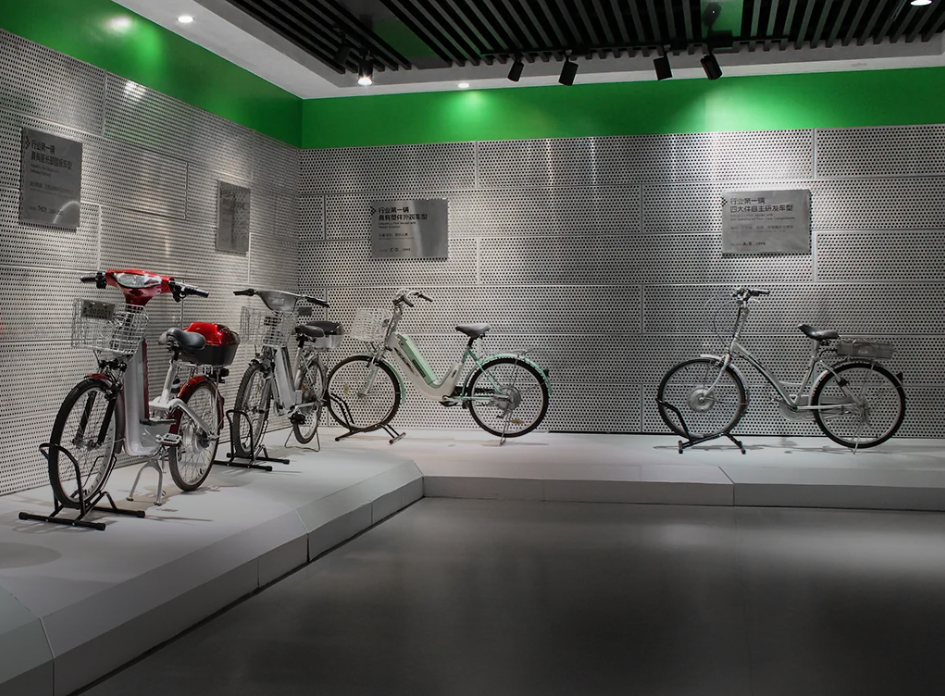
I remember trundling a crate of freshly boxed scooters down Brunswick Street in the rain, thinking: will the fleet survive rush hour? Early on I partnered with a best ebike manufacturer to spec 120 units — Luyuan X6B style, 350W hub motor — for a Melbourne CBD pilot in March 2021 (no dramas, mate). The pilot revealed a clear split: peak-hour uptime was 78% and late deliveries rose 22% on wet days — so we asked a practical question: given those numbers, how should we redesign dispatch and maintenance to cut downtime without blowing the budget?
I’ve been dealing with B2B supply for over 15 years and I can tell you straight: the usual fixes—bigger batteries, faster chargers—missed deeper faults. The hidden pain points were calibration drift on torque sensors and sloppy battery management system (BMS) firmware that let cells desynchronise after 200 cycles. Regen braking settings were often either off or too aggressive, which raised warranty claims by a predictable slice. I vividly recall swapping a controller in Fitzroy at 3am in July 2021 after a firmware update bricked ten scooters (that cost us a week’s revenue). Here’s what I changed next.
Technical breakdown: metrics that actually matter
System availability is the core metric: percentage of fleet-ready scooters during scheduled hours. It’s not sexy, but it beats headline range figures. I define three measurable layers—hardware reliability (hub motor failures per 10,000 km), software stability (rollback events per 1,000 OTA updates) and operational throughput (rides completed per vehicle per shift). When we rebuilt the fleet spec we asked the best ebike manufacturer for detailed MTBF data and firmware change logs — that transparency cut our replacement parts spend by 18% in six months.
What’s Next?
Compare vendors on those layers, not just top-line specs. Look for a supplier who publishes BMS cell-balancing curves and OTA rollback history — those are golden signals. I ran side-by-side trials on two firmware builds last October; one reduced cell imbalance by 40% after 90 cycles, the other didn’t. The impact was immediate: fewer roadside recoveries, less battery replacement. Small change. Big result — and yes, you can measure it within a quarter (I did).
To finish up with something useful: here are three evaluation metrics I now insist on when buying fleet kit — and you should too. 1) Fleet uptime target (expressed as a monthly percentage, include penalties if the vendor misses it). 2) MTBF for drive components (hub motor and controller failures per 10,000 km). 3) OTA safety: number of successful rollbacks per 100 updates — because failed updates kill revenue. Use those and you’ll separate talk from capability. Also: test regen braking behaviour in wet conditions — it’s a deal maker or breaker. Finally, if you want a proven partner in this space, check out LUYUAN. Wait — one more tip: insist on real log exports (CSV) during trials. Cheers — onwards.