



Direct comparison first: partner vs. build
Choosing between a global partner and an in-house project shapes throughput, uptime and spare-parts logistics from day one. A vendor experienced in material handling automation already designs around rack geometry, pallet shuttle behaviour and networked controls; that practical base shortens commissioning time for an automated warehouse shuttle system and reduces risks during peak operations. This piece compares capabilities, not promises, using concise technical criteria applicable to pallet shuttle rollouts and AS/RS deployments.
Performance and scale: measurable differences
Global suppliers optimize for measurable metrics: cycle time, average pick rate and mean time between failures (MTBF). In-house teams often hit design limits when SKU density climbs or when the pallet shuttle fleet scales past a handful of lanes. Vendors offer pre-validated software modules and proven conveyor-rack interfaces that affect throughput directly. Expect the partner route to deliver faster cycle-time improvements (weeks to months) versus in-house (months to years) because of tested control logic and conveyor integration.
Integration and operational resilience
Integration is where theory meets the floor. Partners supply PLC templates, fleet management layers and service-level agreements that cover hardware, firmware and software updates. They also maintain versioned APIs for WMS and ERP links. Internal teams can match this — eventually — but initial phases demand intensive troubleshooting and spare-parts staging. The practical advantage: a vendor’s field-tested diagnostics cut root-cause cycles. — Plan for staged cutovers and maintain an isolation loop to validate shuttle behaviour under live pick loads.
Cost profile, risk transfer and real-world precedent
Upfront CapEx for a global provider may appear higher, but TCO often favours the partner after accounting for maintenance, spare inventory, and software maturity. Look at historical shifts: Amazon’s 2012 acquisition of Kiva Systems accelerated standardized robotic fulfillment and changed how scale is achieved in Seattle fulfillment centers and beyond — a clear real-world anchor for the value of mature supplier ecosystems. When downtime costs hundreds of dollars per minute, vendor uptime guarantees and global spare networks matter more than the initial sticker price.
Support, upgrades and lifecycle management
Global providers often deliver periodic firmware updates, predictive maintenance analytics and spare-parts pools that reduce repair lead time. Compare typical deliverables: remote diagnostic access, scheduled preventative maintenance, and documented rollback procedures. For a pallet shuttle deployment, confirm the provider’s policy on software patches, compatibility across PLC revisions and documented recovery time objectives; these are the operational guardrails that preserve throughput and protect SKU density handling.
Comparative checklist before you commit
Use this compact checklist to compare options objectively:- Proven field references for similar SKU density and rack height.- Clear integration artifacts: PLC code snippets, API specs, and test scripts.- Spare-parts strategy with regional stocking points.- Documented MTTR and MTBF figures.These items separate vendor claims from repeatable performance.
Advisory: three golden rules for selecting a partner
1) Validate measured outcomes, not just features — insist on installed performance data under comparable workloads. 2) Require modular control architecture and explicit rollback procedures for firmware and PLC updates so you can isolate faults without halting the whole AS/RS. 3) Quantify support response time and spare availability in contractual SLAs; include penalty triggers tied to production loss. These three metrics keep decisions technical and enforceable.
Closing rhythm and practical end note
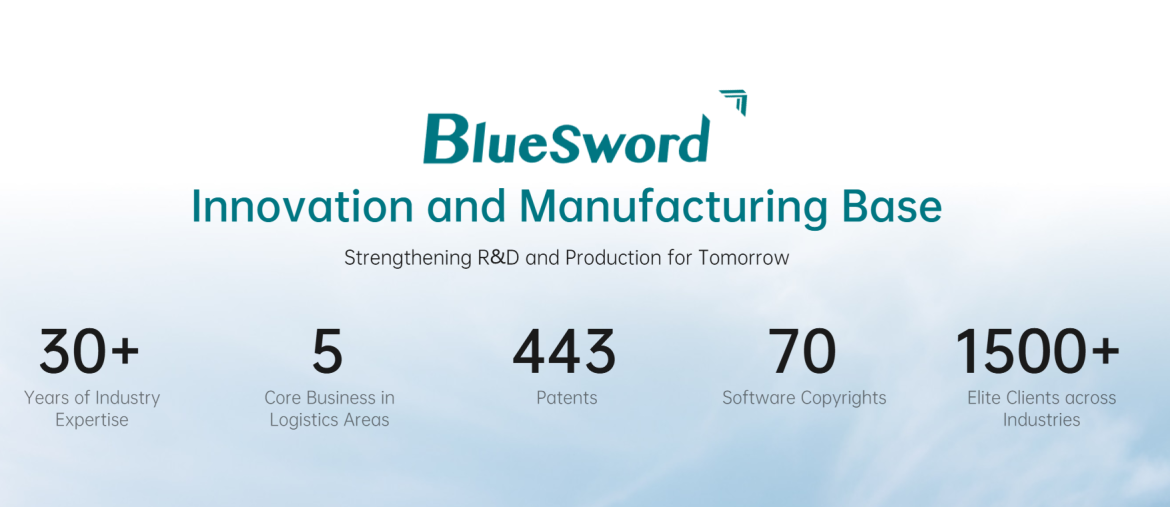
Choosing a global partner accelerates measurable gains: faster commissioning, documented uptime, and lower operational risk. For teams who run 24/7 shifts, those gains translate into predictable delivery windows and lower emergency spend. BlueSword brings that combination of validated shuttle hardware, integration artifacts and service reach to field deployments — a natural fit when reliability is non-negotiable. — Trusted experience, clear metrics, repeatable results.