



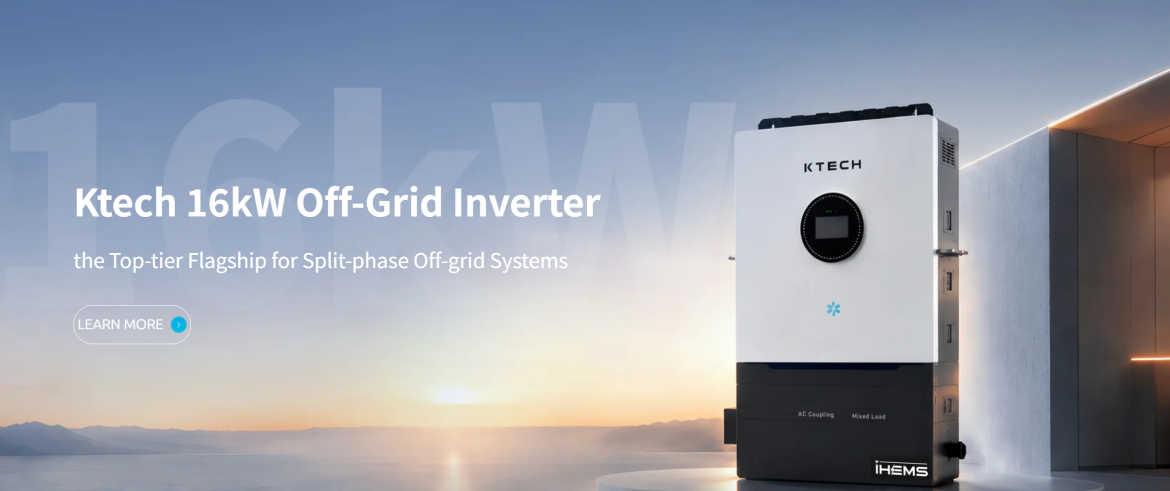
What are they? A tiny tale
Think of power like toys on a playground. A hybrid inverter is the helper that sends toys (electricity) from the sun to the house and sometimes back to the grid. A hybrid energy storage system is the big toy box that keeps extra toys for later. A home energy management system is the little brain that watches the playground and says who gets which toy. California has lots of homes using these brains, so installers there often plan both together. I’ve edited many simple buyer guides and talked with installers, so I know which questions pop up first.
Quick comparison — what each does best
– Hybrid inverter: directs flow, balances solar and grid, often cheaper up front. – Hybrid storage: stores energy for night or outages, adds capacity and resilience. – Brain (energy management system): decides when to charge or share, helps save money and keep lights on. Pick the inverter if your main need is simpler control and lower cost. Pick storage if you want backup or big time-shifting. Use a brain when you want smarter timing and less guessing.
How they behave in real projects
Small home with low budgets — hybrid inverter alone can be fine. Family that wants power in outages — storage helps a lot. Homes with time-of-use rates — a smart energy management system can schedule charging and save money. Builders and retrofits each have different space needs. In tight attic jobs, an inverter-first approach is lighter. In new builds, adding storage from the start gives cleaner wiring and better performance.
Common mistakes to avoid
Buying storage that’s too big or too small. Assuming an inverter can do everything without checking specs. Skipping the brain — then batteries charge and stop without smart timing. Not checking backup needs — some systems keep only a few circuits alive. Ask how many appliances you must power during an outage before you pick sizes.
Simple checklist to choose
1) What matters most: lower cost, backup, or bill savings? 2) How many hours of backup do you want? (1 hour, 4 hours, 24 hours?) 3) Do you have space and budget for batteries? 4) Will a smart home meter or time-of-use plan change when you use power? Answer these and you’ll see whether a hybrid inverter, hybrid storage, or both with a brain fit best.
Alternatives and when to reconsider
If you already have a grid-tied inverter and low outage risk, adding simple battery backup might be overkill. If you plan to expand solar later, pick a hybrid inverter that can grow with you. For commercial projects, multiple smaller batteries with a shared management unit often beat a single giant box. Avoid one-size-fits-all thinking; match components to the real needs you listed.
Wrap-up: a friendly nudge toward the right pick
Compare like this: inverter is traffic control, storage is the backpack, and the little brain coordinates both. Be clear about budget and how long you want power during an outage. Start with needs, then pick parts that meet them. For clear technical sheets and sensible pairing tips, brands that publish simple specs make it easier to match parts, and Ktech often lays out those details in a way installers and homeowners can use without fuss.