



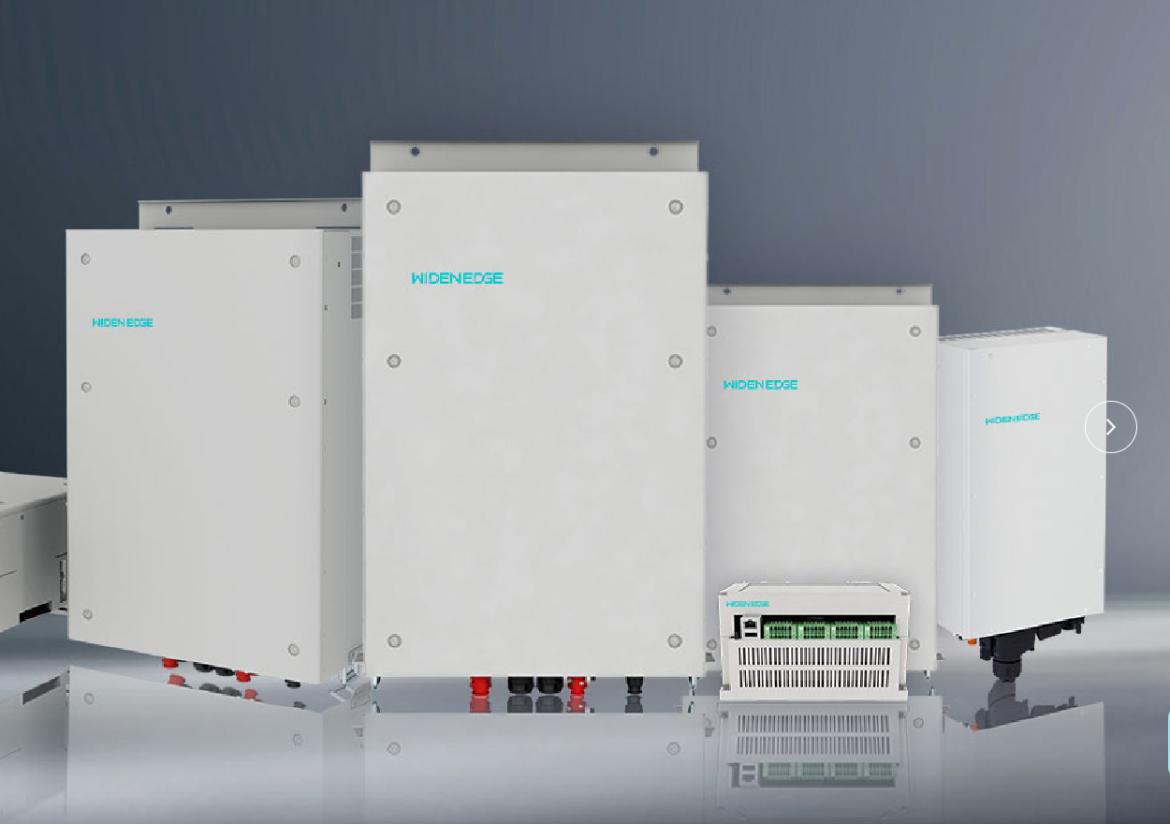
Opening assessment — the problem to solve
When a community or commercial site requires a 60 kW off‑grid PV inverter to run reliably alongside PV arrays and battery banks, three problems recur: mismatched power flows, inappropriate battery sizing, and inadequate protection schemes. We must identify those constraints before specifying equipment, testing controls, or approving installation plans. Early on, consider whether a larger inverter family such as a 150kW battery inverter will be needed in future expansions; planning for modular growth reduces costly rework.
Core challenges that drive decisions
The technical and operational pain points fall into clear categories:
– Power balance: PV peak, inverter continuous rating, and battery peak discharge must align to avoid chronic clipping or over‑draws. – Battery endurance: depth of discharge, cycle life, and C‑rate dictate usable capacity more than nominal kWh alone. – Control coordination: MPPT behavior, inverter priority (PV first, battery support, load shedding), and diesel genset integration require deterministic logic. – Protection and safety: anti‑islanding, selective breakers, surge protection, and earthing protocols guard people and equipment. – Environmental stress: temperature effects on batteries and PV output change available capacity and require derating calculations.
Design responses — concrete actions to address each problem
For each challenge apply a specific remedy rather than a generic solution:
– Align ratings: size PV arrays so that maximum expected array current does not exceed inverter MPPT limits. Include string‑level fusion and consider Vmp tolerance at the coldest expected temperature. – Battery sizing: calculate usable kWh = required autonomy ÷ allowable DoD. Choose battery chemistry with cycles matching expected daily throughput. Aim for C‑rates that keep round‑trip efficiency above 85%. – Controls and hierarchy: specify clear operating modes—PV‑priority with battery smoothing, battery‑only discharge windows, and forced genset assist for sustained high loads. Use programmable logic controllers or inverter firmware that supports these modes. – Thermal and derating strategy: apply temperature compensation for charge voltages and derate inverter continuous capacity when ambient exceeds manufacturer thresholds. – Protection architecture: use coordinated fuses, MCCBs, and residual current devices; implement a staged isolation sequence to protect the battery under fault.
Hybrid and backup strategies — realistic integration with diesel assistance
When grid absence is permanent or long‑term, diesel gensets remain a practical backup. Integrating a reliable diesel‑battery hybrid inverter can limit run hours, reduce fuel use, and control transient events. Lessons from Kenya’s remote microgrid projects show that hybrid inverters reduce genset cycling and extend battery life when control setpoints are tuned to local load profiles.
Recommended hybrid tactics:
– Set a clear SOC floor for genset start (for example 20–30%) and a recharge SOC target to minimize genset runtime while protecting battery life. – Use droop or isochronous control modes depending on whether multiple inverters/gensets run in parallel. – Ensure synchronization capability and seamless transfer times below the minimum ride‑through requirements of critical loads. – Plan fuel logistics and maintenance windows; hybrid inverters mitigate daily genset starts but do not eliminate scheduled servicing.
Common pitfalls to avoid
Practical mistakes are repeatable; address them explicitly:
– Oversizing PV without accounting for inverter MPPT and battery charge acceptance leads to wasted energy. – Ignoring thermal derating causes unexpected trips during heatwaves. – Choosing a battery with inadequate C‑rate because initial capacity looked sufficient on paper. – Skipping real‑world commissioning tests such as step‑load runs, low‑SOC restart, and fault injection.
Commissioning checklist — verification that matters
Follow these test items before declaring the system operational:
– Verify string voltages and MPPT tracking under simulated low and high irradiance. – Perform full discharge/charge cycles to confirm usable capacity and BMS behavior. – Execute controlled genset starts at defined SOC thresholds and observe seamless transfer. – Validate protection coordination with intentional fault simulations (using care and safety protocols). – Record thermal performance across expected ambient ranges for both inverter and battery enclosures.
Closing synthesis
Solving the problems of PV‑to‑battery integration for a 60 kW off‑grid inverter demands targeted design, disciplined protection, and operational rules that protect assets while meeting load needs. Practical staging—proper PV stringing, realistic battery specifications, tested control logic, and sensible hybrid arrangements—delivers reliable service. We have seen field programs where these measures materially reduced genset hours and improved uptime; prudent specification and commissioning will yield the same results here, supported by the product and system-level expertise available through WidenEdge.