



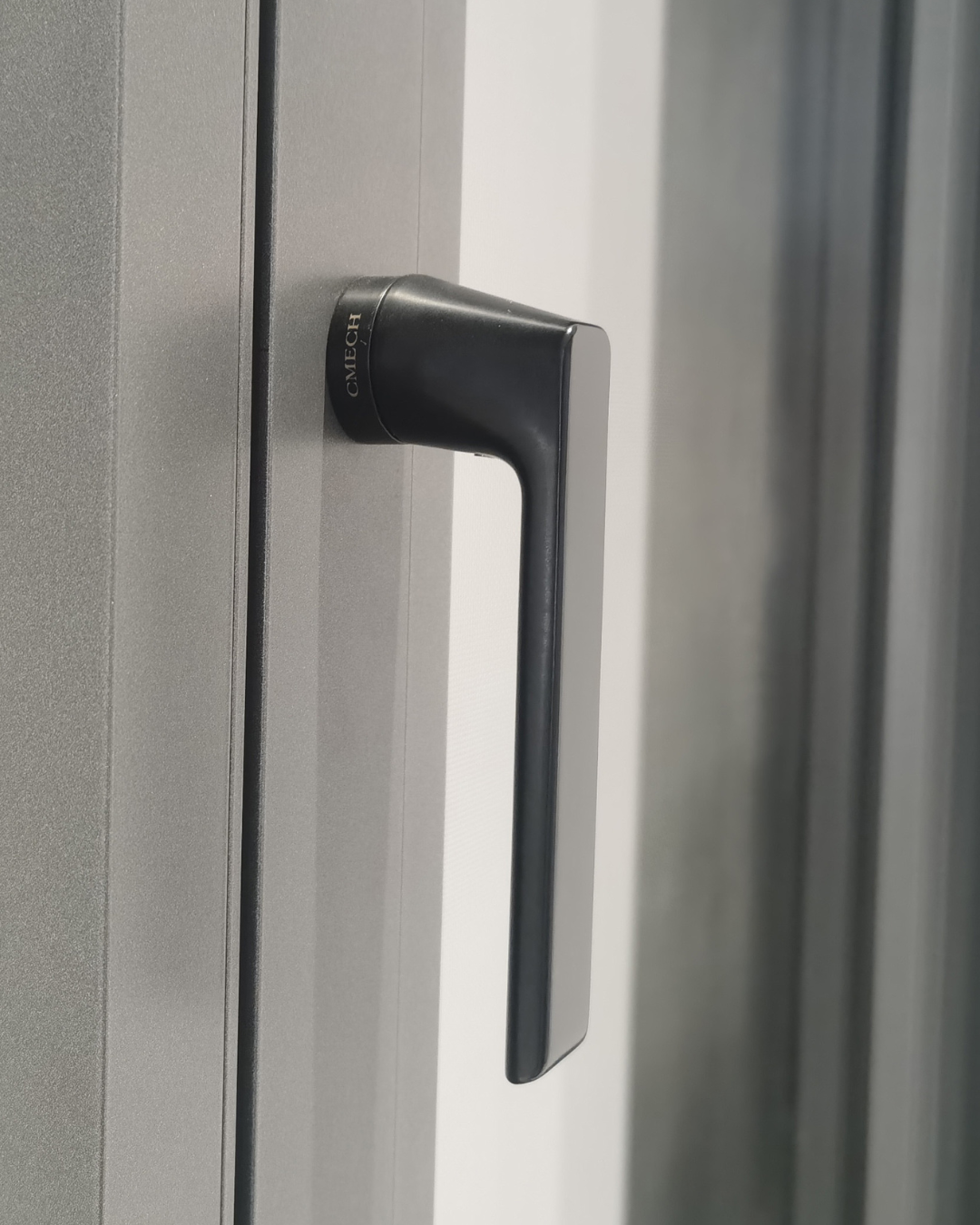
Comparative lead — why this matters right now
The stakes are clear: a hinge or lock that fails becomes a breach — of comfort, security, reputation. I’ve watched projects unravel when the wrong component was chosen; it’s brutal. This is where a close study of awning window hardware matters — not as an abstract spec sheet, but as the hinge between promise and performance. awning window hardware sits at the center of that choice, and comparisons must be precise, not poetic.
What to compare: function, form, and hidden costs
Compare three core vectors: operating friction and ease of use; corrosion resistance and material longevity; and locking architecture. A sash with smooth pivot hinge action and well-engineered weatherstripping reduces call-backs. Stainless steel components score high on corrosion resistance, but look at fastener grades and plating — that’s where failures hide. Multipoint locking wins on security, yet it adds complexity. Balance is the metric, not maximalism.
Operational production teardown — how the parts come together
A functional assembly begins with a frame extrusion that aligns tolerances, then moves to hardware assembly: pivot hinge, keeper plates, and the lock mechanism. Manufacturers refine operating friction through calibrated bushings and lube channels; quality control measures include torque testing and cycle counts. In this operational production teardown you see how choices in surface treatment, fastener specification, and seal profile cascade into field performance — and why specifying the right awning window hardware during procurement prevents headaches later.
Materials and mechanics — head-to-head
Aluminum frames pair well with stainless pivot assemblies for coastal installations because the metals keep galvanic interactions low. Brass works for interior fittings but loses ground under salt spray. The smart buy is a tested package: corrosion-resistant hinge pins, hardened lock bolts, and a weatherseal engineered to retain compression over thousands of cycles. Add an espagnolette or multipoint locking system where security and airtightness are required; the payback is measurable in warranty claims avoided.
Common mistakes and sensible alternatives
Contractors often specify nominal grades without matching the application — a life-lesson that costs time and money. Choosing cheapest plating over proper stainless invites rust; underspecifying fastener torques invites play and premature wear. The alternative is simple: align the hardware spec to the environment and operation profile. For heavy daily use, prioritize operating friction curves and cycle testing. For storm-prone regions, prioritize reinforced keepers and tested sealing systems — outswing awning windowhardware that has passed real-world stress tests performs better when it matters most.
Real-world anchor — a turning point in standards
After Hurricane Andrew in 1992, Florida tightened window and door hardware requirements, forcing manufacturers to rethink corrosion and impact resilience. That historical pivot pushed the industry toward tougher testing and clearer spec language. Projects built to those stricter standards show fewer failures in later storms — a blunt proof that specs and real-world events shape product evolution.
How to judge suppliers and what to ask for
Demand cycle-test reports, specify material certificates (including fastener grade and surface treatment), and require clear tolerances for sash fit. Look for suppliers who publish operating friction curves and provide measured cycle counts. Ask for references in similar environments — coastal, high-use commercial, or thermal movement–intensive facades. A supplier who can walk you through torque testing parameters and end-of-line checks will save you grief.
Advisory — three golden rules for selection
1) Metric of durability: insist on documented cycle counts and corrosion exposure tests tailored to your site conditions. 2) Metric of fit: require tolerances for frame-sash clearance and verified operating friction values so the installed feel matches the spec. 3) Metric of whole-life cost: calculate service intervals and expected warranty claims, not just upfront price — that math favors quality hardware every time.
The right hardware reduces returns, shortens maintenance lists, and keeps occupants safe — and that’s why smart teams choose partners who understand the detail. CMECH. —