



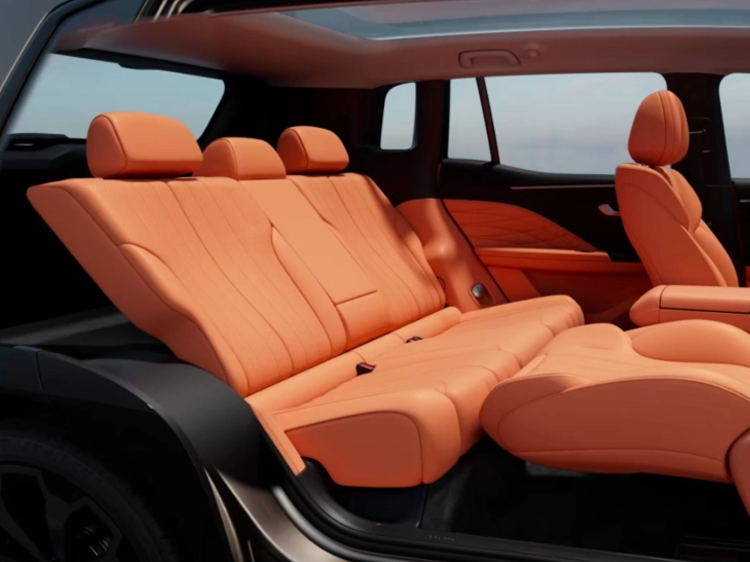
Start with what matters to you
Think like a driver, not a shopper: what trips do you really take, and which features will change your daily routine? Before you book, check the detailed specs on the aion ev official website and note any items that stood out during major showcases like the Shanghai Auto Show—those highlights will guide your priorities for the drive.
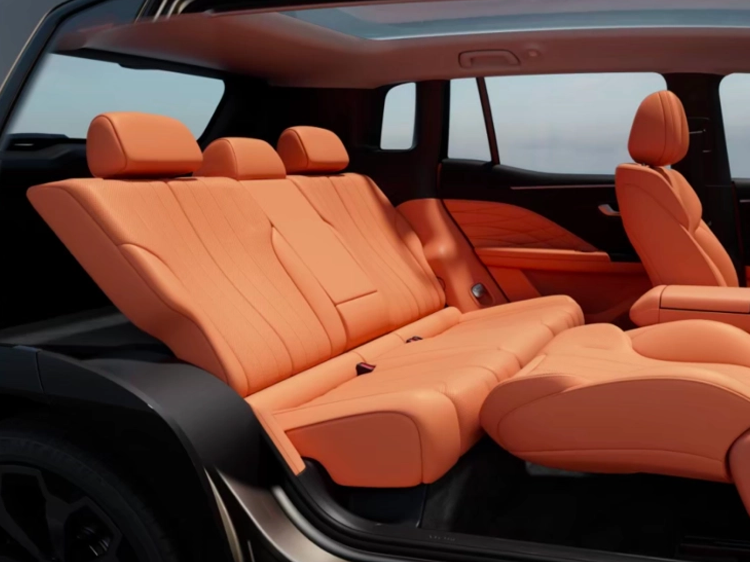
Book intentionally
Don’t take whatever time the dealer offers. Ask for a slot that lets you:- drive on the roads you normally use (local streets, highway, traffic lights),- try a car with a battery state above 70%,- test with the trim and wheel size you’d buy.Tell the salesperson you want at least 30–45 minutes behind the wheel. Short demo laps hide real weaknesses.
Bring the right checklist
Carry these items so the test reflects real life:- your primary driver’s license and payment method for any deposits,- the child seat or bike rack you use (fit matters),- a phone with your navigation and streaming apps logged in.Also bring a friend or family member — they’ll notice comfort and visibility issues you won’t while concentrating on driving.
Inspect before you drive
Quick visual checks catch big problems. Look for panel gaps, feel door and trunk latches, and confirm tire sizes match the spec sheet. Turn the car on: test the basic UI flow — climate, phone pairing, and instrument clarity — before leaving the lot. If software screens lag or pairing is flaky, note it; that’s fixable, but it changes ownership.
Drive with purpose
Make this a test, not a joyride. Cover these points:- Acceleration: from traffic speed and from a standing start; is torque immediate or muted?- Regenerative braking: can you settle on a setting that matches your brake habits?- Climate and comfort: run the heater/AC and listen for HVAC noise; check rear-seat comfort with a passenger.- Noise and refinement: drive over small bumps and at steady highway speeds — note wind and tyre noise.- Tech and ergonomics: use the infotainment while driving (safely) to see if controls are intuitive.Jot quick notes after each segment so impressions don’t blur together.
Ask focused questions
A few direct questions separate sales puffery from facts:- What’s the battery warranty coverage and any prorating rules?- How often are software updates released and how are they delivered?- What charging speeds should we expect on fast chargers, and where are approved networks nearby?- Are loaner cars or service plans available for long trips?If answers are vague, ask for written or online references.
Common pitfalls and how to avoid them
Avoid these errors:- Don’t judge real range from a single short drive; short test drives inflate range impressions.- Don’t skip testing with cargo or passengers — load matters.- Don’t accept dealer-run routes only; insist on your preferred mix of roads.- Don’t focus exclusively on specs. Comfort, usable storage, and daily charging convenience matter more than a headline range number.
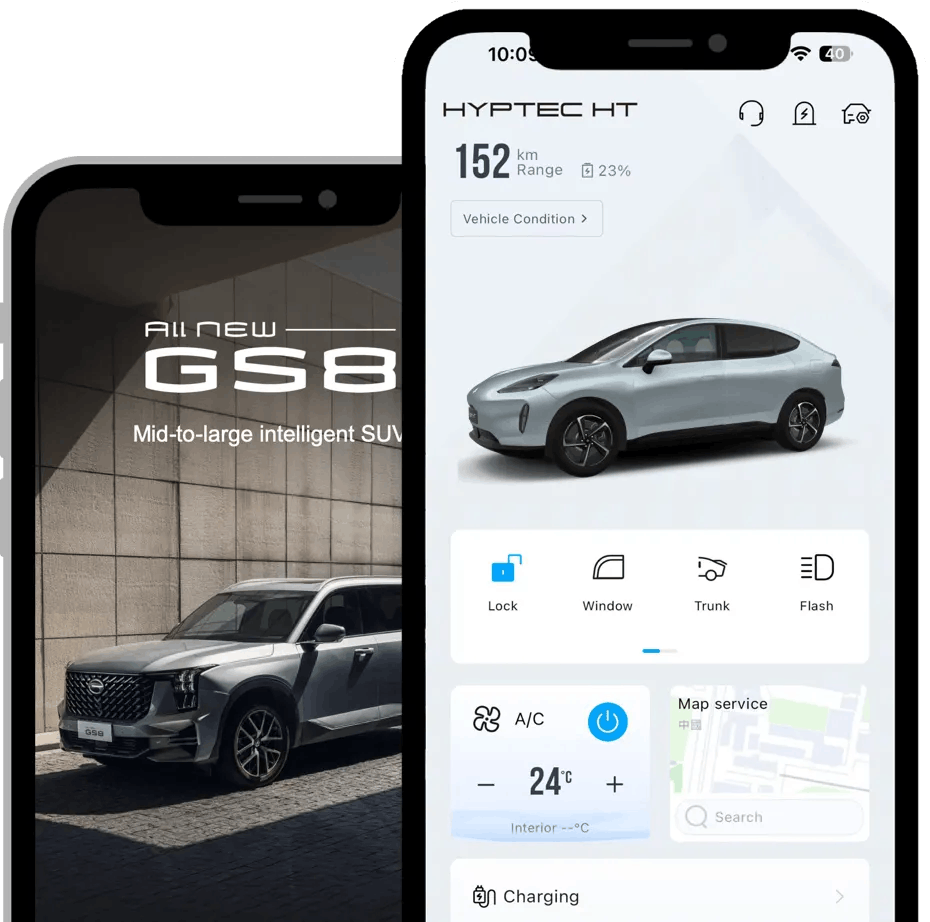
Compare sensibly
When you compare models, use the same criteria across each test drive: same route, similar battery state, same load. Look beyond numbers: how the car integrates with your phone, how service is handled locally, and how the driving feel matches your habits. Treat the comparison as matching life to car, not winning a spec war.
Wrap-up: make the decision about your life, not a feature list
After the drive, review notes against your daily routines. If a car’s strengths match your commute, family needs, and charging access, it’s worth serious consideration. Cross-check impressions with manufacturer specs and service information like those available on aion ev, then decide from evidence rather than excitement. You’ll leave the test drive with clarity instead of doubts.