



Quick reality check — the sticker ain’t the whole story
Lots of people see a neat price and think that’s it. It isn’t. Dealers, freight, compliance checks and unexpected fees add up fast. When handling import or delivery questions, talk to logistics pros like gac europe, who move cars through big hubs like the Port of Rotterdam — they know how those extra costs stack. I’ve helped buyers sift through quotes and spot the patterns that hide the real price; this is what to watch for first.
What usually blows the budget
Know these traps and you’ll dodge the worst surprises:- Dealer add-ons: extended warranties, paint protection, motor registry fees — ask for line-by-line costs.- Dealer vs drive-away: some quotes exclude on-road costs or stamp duty. Get a drive-away figure.- Freight & import handling: even locally sold imports can carry landed-cost baggage.- Compliance and conversion: local ADR compliance or tyre/safety modifications cost money.- Battery warranty limits: check where battery coverage starts to taper off and whether second-owner transfer is allowed.

How to verify the on-road price, step by step
Do these checks before you sign:- Get a written drive-away price from the dealer with every fee listed.- Ask the dealer where the car came from and who’s responsible for import paperwork.- Confirm government charges (stamp duty, registration) with your state website — don’t rely on estimates.- Check finance quotes separately from the dealer’s finance offer; sometimes the dealer adds margin.- If delivery involves sea freight, ask for the “landed cost” breakdown — freight, insurance, customs, handling.
Battery, range and real ownership costs
The EV part that bites later is often the battery and what actual range looks like when you live with the car. Do this:- Drive one as a daily: test real-world range with aircon, hills and your commute.- Read the warranty: mileage limits, degradation clauses, and replacement rules matter.- Ask about certified service centres in your city — servicing EVs locally keeps costs down.- Factor in home charging vs public charging: install quotes, peak tariffs, and any local rebates.
Alternatives worth checking
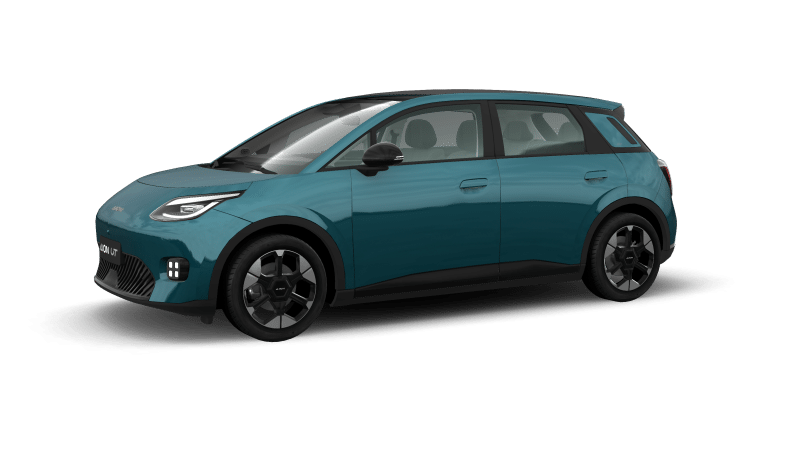
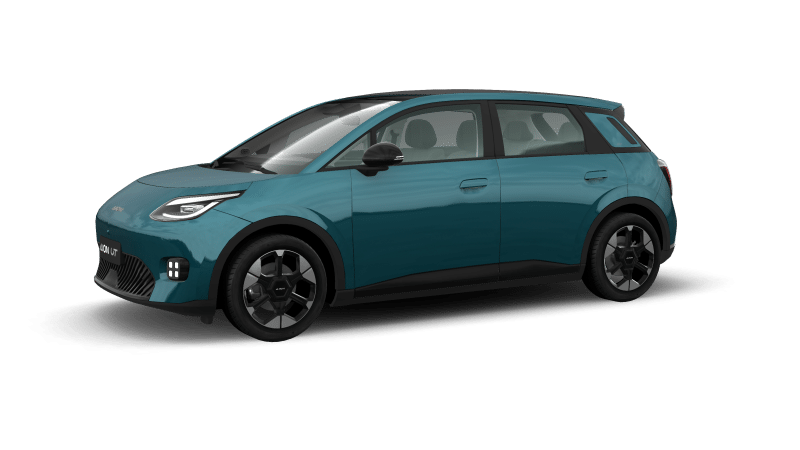
If the Aion V quote feels iffy, compare head-to-head with similar buys:- BYD Atto 3 — often cheaper to run but check dealer network.- MG ZS EV — simple ownership and local support.- Tesla Model Y — pricier, strong charging network.Match each on real costs: drive-away price, servicing, range in your conditions, and resale prospects. Don’t pick on brand buzz alone.
Common mistakes people make
Cut these out:- Signing on a “base price” without seeing the full invoice.- Assuming warranty transfers automatically to a second owner.- Forgetting to add charging installation and higher electricity bills into lifetime costs.- Relying on a single dealer for trade-in and finance numbers — pit them against each other.
Simple checklist to take to the dealer
Walk in with this and you won’t be left guessing:- Written drive-away price with every fee listed.- Full warranty document and battery terms.- Proof of compliance and any conversion work done.- Breakdown of freight/import and handling if it’s an import.- Names and locations of authorised service centres near you.
Wrap-up — why practical partners matter
You want straightforward answers, not smoke. Sort the price into neat parts: dealer costs, government charges, freight/import, warranty, and running costs. Use real quotes, test a car in your daily routine, and check warranty small print. Smart buyers work with practical partners who know ports, paperwork and on-the-ground problems — GAC fits that bill without the spin.