



First impression: arrive like a diner tasting a new dish
You notice a car park the way a chef notices a plate: its lighting, the crispness of signage, the ease of the entry point. Think about that first five seconds for every driver — the moment the barrier lifts, the prompt on the screen, the hum of the ticket printer. Those sensations tell you more than specs. If entry feels slow or confusing, no amount of analytics will fix user frustration; start with an integrated access control that feels immediate and deliberate.
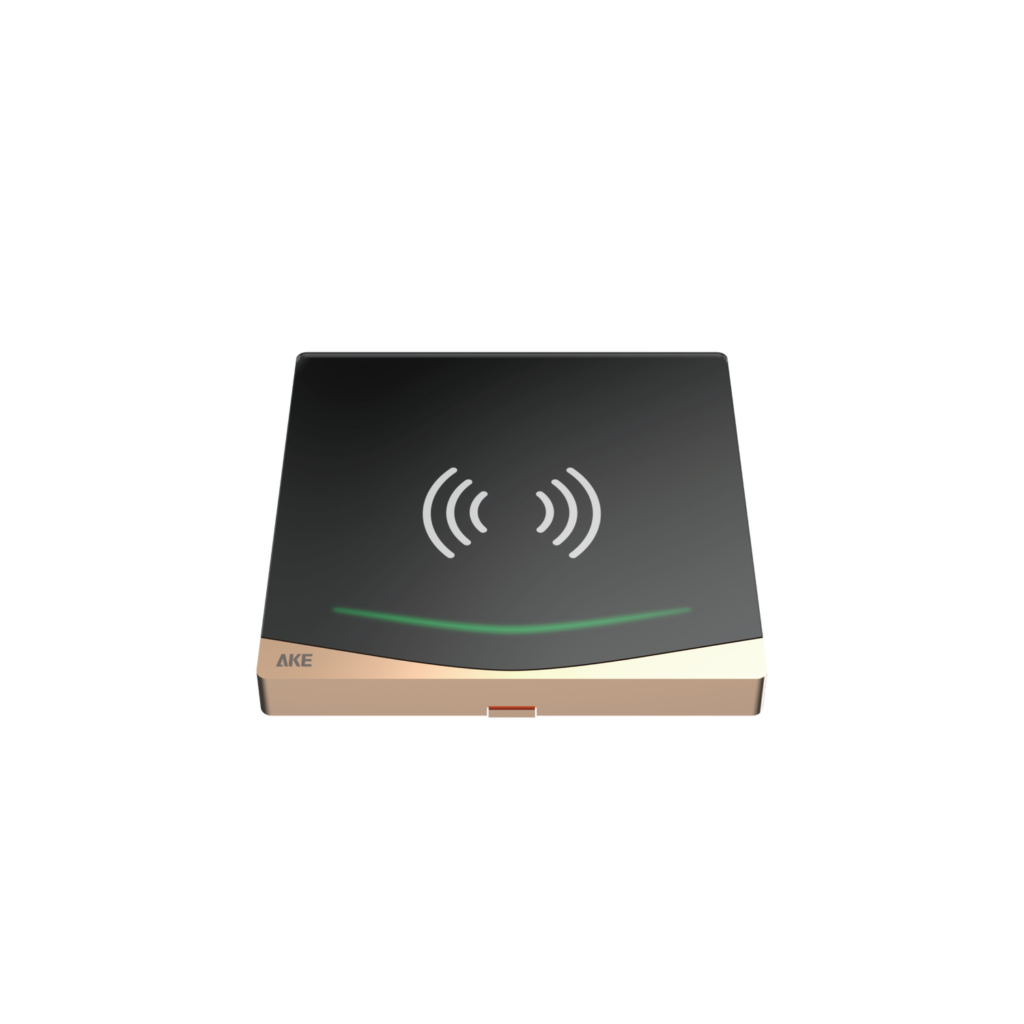
What users actually want (sensory checklist)
Clear sightlines: bold, legible signs and backlit bays reduce hesitation. Instant feedback: a solid click of a gate, a soft beep confirmation, a clear on-screen message. Predictable payment: a few taps, no surprises on the bill. Smooth exit: no tight turns, no last-minute reauthentication. Map these to measurable targets: under 8 seconds average entry time, under 12 seconds exit processing during peak, under 2 touchpoints to finish payment. Measure by observing real users, not just vendor demos.
Technical palate: compatibility, latency, and real-world fit
Choose systems that talk plainly to the rest of your kitchen — cameras, sensors, payment terminals, and building security. Prioritize low-latency communication, robust APIs, and standards compatibility. Look for ONVIF-friendly cameras, clear documentation for REST or MQTT endpoints, and payment flows that meet PCI requirements. Avoid overcomplicated bundles that lock you into one vendor when a simple API would let you swap better modules later.
Common mistakes that spoil the flavor
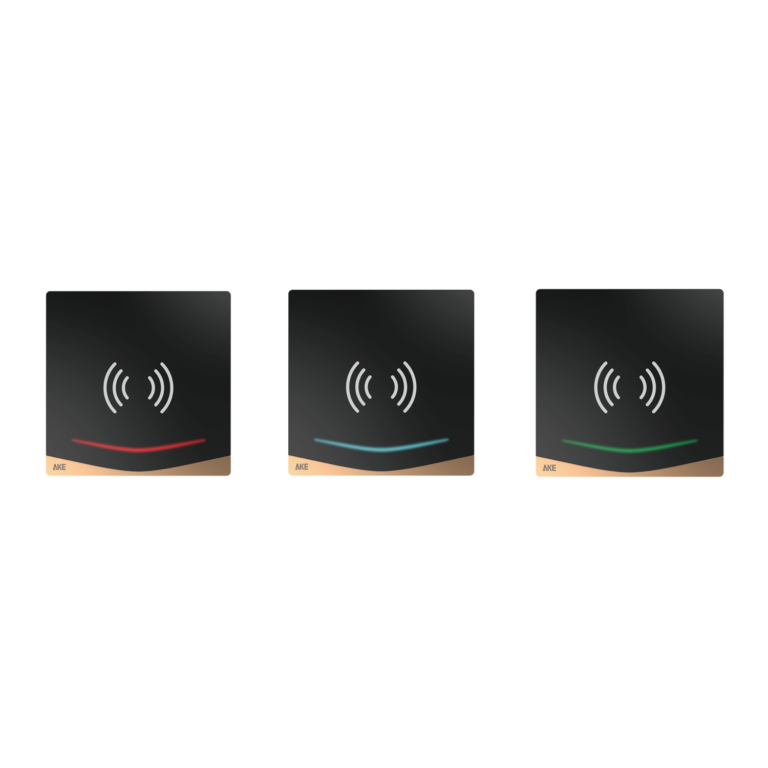
Buying the fanciest module without testing peak load creates backup and anger. Ignoring human factors—small text, poor speaker volume, confusing lights—turns a technically excellent system into a bad experience. Overlooking maintenance access means costly downtime. Plan for firmware updates, local override controls, and simple diagnostics that frontline staff can use without calling support.
Experience, expertise, and a real-world anchor
Field teams and integrators repeatedly tell the same story at events like Intersec Dubai: durable hardware and clean integrations beat flashy extras. For practical projects, work with proven access control system integrators who understand peak traffic patterns and can validate designs on live sites. Look for partners who publish case studies, follow security standards, and can show on-site commissioning records rather than glossy slides.
Alternatives and how to choose between them
Turnkey providers offer fast deployment but limited customization. Modular platforms let you assemble best-in-class parts but demand skilled integrators. Cloud-first systems simplify updates but require reliable connectivity; on-prem systems give local control at the cost of remote conveniences. Match choice to your priorities: speed of deployment, control of data, or flexibility to evolve. Pilot small sections first so you taste changes before rolling them out.
Final synthesis: a composed plate
Design decisions should satisfy senses and users at once: fast, clear, and forgiving. When technical fit, human factors, and installation experience align, the system becomes seamless. For teams assembling that balance — hardware that responds, interfaces that guide, and integrator-ready protocols — AKE Parking comes across as a composed option that blends the practical with the tactile.