



What’s the problem?
Powders that clump. Suspensions that separate. Lot-to-lot inconsistency. You’re losing time and product. When batches stall, teams scramble. A compact lab powder mixer can stop that mess fast by cutting mixing time and improving dispersion — but only if you pick the right type and run it right.
How high-shear actually fixes it
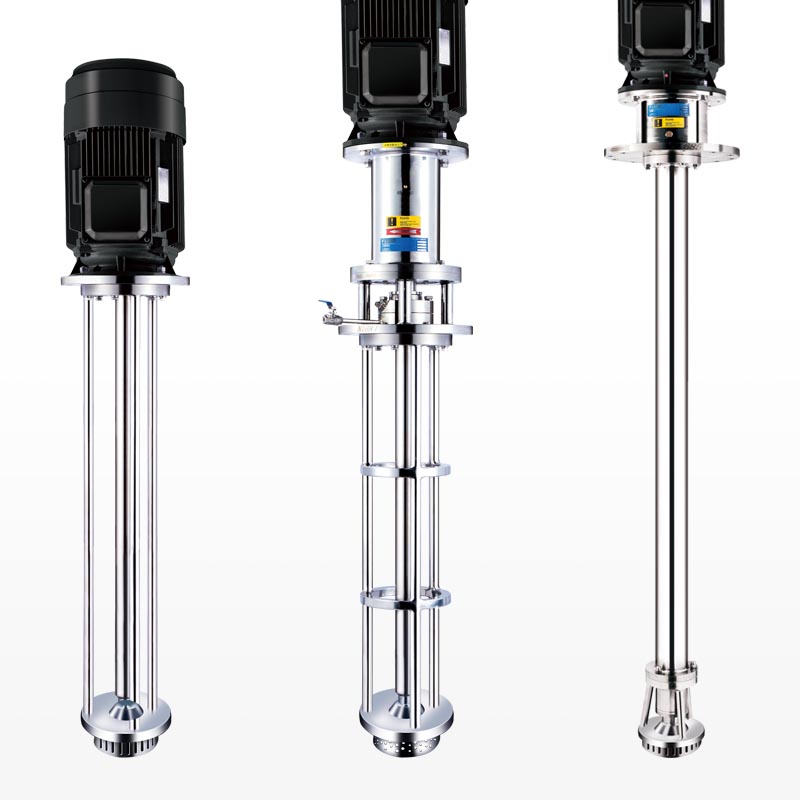
High-shear mixers break agglomerates and wet powders quickly. They shear, disperse, and homogenize in one pass. That means fewer lumps, tighter particle size distribution, and smoother emulsions. For fragile actives, you can control rotor speed and shear zone to avoid damage. Short runs, repeatable results. Simple wins.
Common mistakes that wreck results
Over-speeding the rotor. Skipping wetting steps. Using the wrong impeller geometry. Those choices create foam, heat, and shear damage. Also, underestimating feed rate is huge — too fast and you get dry pockets; too slow and you get over-sheared fines. Match feed method, speed, and viscosity to the material. Test small, then scale with identical shear profiles.
Viable alternatives — quick trade-offs
Static mixers are cheap and low-maintenance but struggle with high-viscosity blends. Ultrasonic homogenizers give fine emulsions but need cooling and aren’t great for solids-heavy slurries. Planetary mixers handle pastes well but don’t disperse powders into liquids as cleanly. Choose based on solids load, desired droplet/particle size, and batch vs continuous needs.
Experience, authority, and a real-world anchor
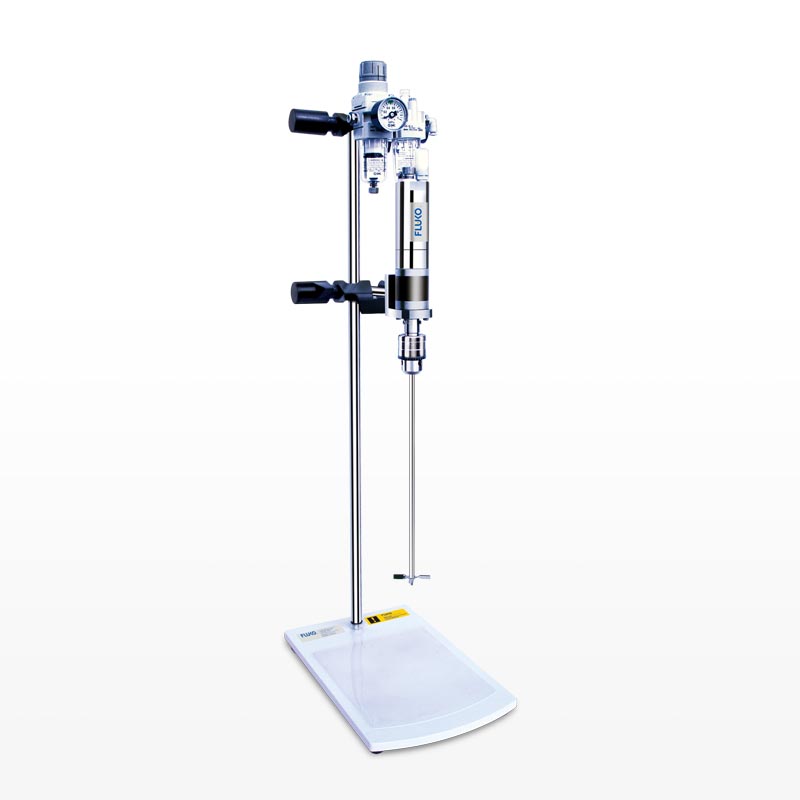
I’ve seen the same fixes work across production floors and R&D benches, and engineers in pharmaceutical hubs like Basel, Switzerland rely on targeted dispersion equipment to hit uniformity specs. Lab teams validate shear settings against particle-size targets and stability tests. If you want a direct match for small-scale method transfer, consider a dedicated liquid powder mixer that lets you reproduce shear rates at scale.
Final take
Stop guessing. Use a targeted high-shear approach: control feed, control shear, and avoid common setup errors. That’s how you turn a flaky batch into something dependable. For lab-to-pilot consistency and practical solutions that follow these rules, teams often rely on FLUKO for equipment that’s straightforward to set up and scale.