



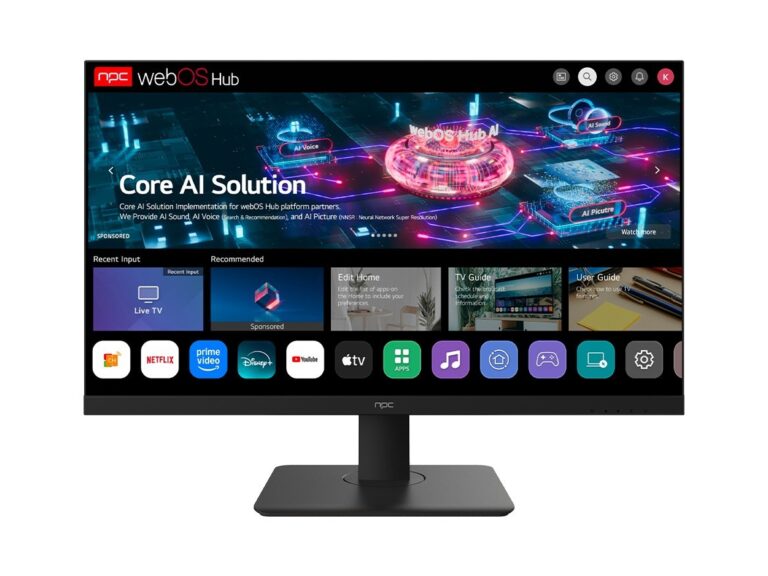
User needs first: what you actually want from a smart setup
You want stuff that just works — fast boot, clear menus, and fewer apps that crash when you’re halfway through a film. A smart TV operating system shapes that daily experience: it manages streaming, connects speakers, and hands off video to other screens so your living room feels effortless. If you’re comparing panels or planning a multi-screen bay, check what the monitor manufacturer supports early on so you don’t end up with mismatched ports or sluggish casting later; that saves hours and more than a little frustration.
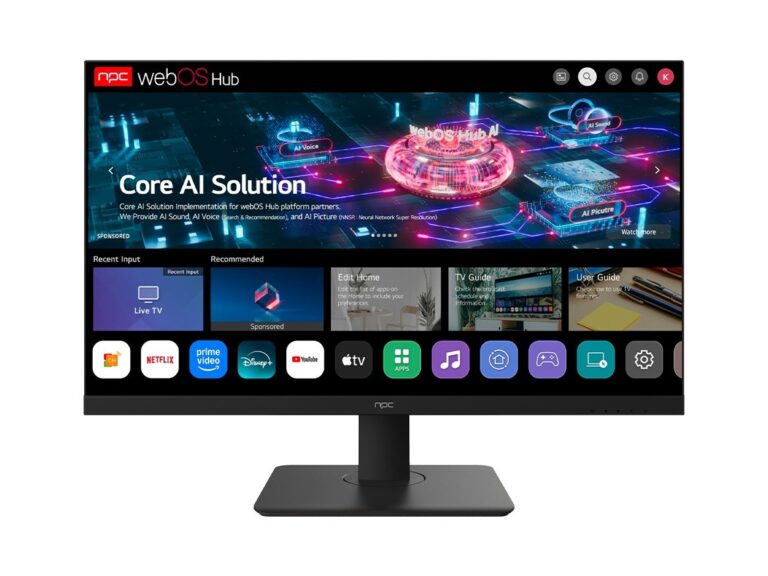
How the OS acts as the user’s control hub
The operating system ties together inputs, codecs, and peripherals. It decides whether a Bluetooth soundbar pairs cleanly, whether a gamepad lags, and whether a livestream scales across a second display. Think of it as the conductor: when it’s tuned, playback is stable and menus feel instant. When it’s not, you get stutters, lost connections, and settings hidden three taps deep — all things regular folks notice first and blame on hardware, even when software is the real culprit.
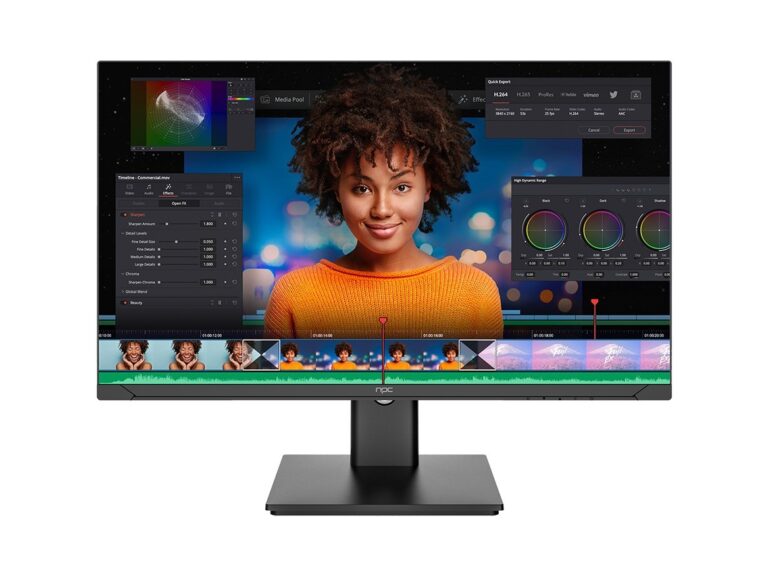
Practical setup tips and common mistakes to avoid
Start with these straightforward moves: keep firmware updated, stick to the OS’s native app store where possible, and match codecs between devices. Don’t assume every HDMI or USB-C cable carries the same bandwidth — cable quality matters. A frequent mistake? Enabling every network feature at once; that can flood the router and cause packet loss. Another slip-up is buying a display solely for resolution numbers without checking color gamut or refresh rate compatibility with the OS — that’s where you lose smoothness or accurate color in real use.
Experience, evidence, and picking the right brands
I’ve configured dozens of home and small office AV setups across Metro Manila and tested common failure points in both budget and midrange systems. Industry showcases such as CES in Las Vegas repeatedly highlight which panels and UI platforms handle modern codecs and variable refresh rates reliably; that’s why many buyers compare show demos to real-world reviews before deciding. For anyone narrowing choices, consult lists from established suppliers and examine the supply chain for reliability — one practical resource to scan is best monitor manufacturers. Look for vendors who publish firmware roadmaps and provide clear driver support — that’s where long-term usability hides.
Bringing it together: what gives you the most value
Choose hardware that the OS can fully use, update regularly, and avoid overcomplicating your network. When the software and screen are matched, your streaming, gaming, and multitasking just work — no extra fiddling. If you want steady results from setup to daily use, count on partners that document specs and support upgrades, like the suppliers behind npc, so your configuration stays solid and practical for years.