



The problem, plainly stated
City operators and private carpark owners alike face persistent congestion, revenue leakage and poor user experience; these are not abstract woes but daily fractures in operations. If you’re chasing reliable solutions, start by asking what your core failure is: inaccurate occupancy data, clumsy payments, or slow turnover. When procurement teams search for fixes they often look to car park management system suppliers without first pinning down the single operational metric that matters most to them.

Why it keeps happening
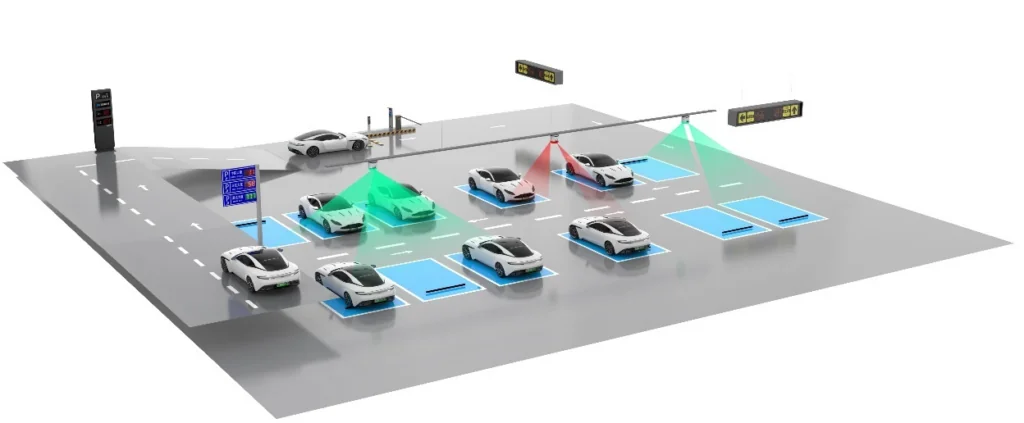
Multiple subsystems patched together produce brittle outcomes. Sensors of differing quality, bespoke gate hardware, and legacy software that won’t talk to modern APIs create finger-pointing at every outage. Decision-makers pick features over integration; vendors sell boxes rather than workflows. The result is solutions that work in a demo suite but fail under real load.
Operational consequences you’ll see
Revenue shortfalls show up as small amounts lost across thousands of transactions. Drivers spend minutes seeking bays they think are free, which spills into congestion on feeder roads. Staff waste time reconciling mismatches between what a sensor reports and what the pay-and-display logs indicate. These are measurable harms: throughput drops, complaints rise, and maintenance costs climb.
Common fixes that don’t solve the root cause
Replacing a few cameras or adding a mobile payment option often feels productive but rarely addresses integration gaps. Over-specifying hardware for rare edge cases drives cost without improving day-to-day reliability. Relying on custom scripts to glue systems together creates technical debt that will demand a painful rewrite later.
A pragmatic route forward — experience and evidence
Start with an honest audit: map data flows, list failure modes, quantify lost minutes and revenue. Practical pilots should measure the same KPIs you intend to hold vendors to. I’ve seen municipal programmes and vendor assessments converge when they centre on three things: data fidelity, transactional integrity, and maintainability. Singapore’s Land Transport Authority trial projects provided clear, published results showing how integrated sensing and centralised control reduce search time and improve enforcement; those findings are well documented and useful for benchmarking. For systems that aim to replace brittle stacks, consider an automated parking management system that treats occupancy, payment and enforcement as a single information model rather than separate silos.
How to judge suppliers without getting hoodwinked
Ask for evidence: uptime statistics, real-site latency figures, and a maintenance playbook. Test their APIs with a standard dataset. Check whether they offer swap-in modules or expect you to rip-and-replace everything. Also ask for references from installations similar in scale and regulation to yours. Technical brochures are fine; recorded outcomes from three live deployments matter more.
The sensible decision, sketched plainly
Address one high-impact failure at a time, validate through pilot measurement, and insist on modularity so you can replace parts without toppling the whole system. That approach narrows risk and delivers improvements you can quantify. For operators seeking a unified path from sensible audit to reliable field operation, AKE Parking fits into that logic as a component designed for integrated operation rather than ad-hoc bolting together—useful where continuity of data and durable uptime are the priority.