



The problem you must solve first
When you commission an indoor led display, the largest errors are assumption and silence: assuming the venue, viewing distance, or content will fit the screen, and failing to ask suppliers the right follow‑ups. These two missteps cause wasted budget and late redesigns; address them before quotes are sought.
What to pin down technically
Decide pixel pitch against typical viewing distance; confirm brightness needs for ambient light; require native resolution and refresh rate that match your content; demand measured power draw and cooling strategy. Ask for explicit module replacement times, warranty on LED binning, and a complete bill of materials that lists controllers, power supplies, and spare module counts—no vague promises about “serviceability.”
Installation and operational questions that matter
Clarify structural load and rigging approvals; check service access for front or rear maintenance; verify control-room integration (signal formats, redundancy); require site acceptance tests and a training session for local operators. Ask who holds liability during transit and installation, and ensure there’s a clear escalation path for faults beyond routine troubleshooting.
Vendor checks and common red flags
Insist on references for recent local installations and on-site photos of completed work rather than renderings. Red flags include reluctance to provide part numbers, vague lead times, and refusal to list subcontractors. If a supplier insists that custom firmware will remain proprietary with no handover, pause and reassess.
Experience, evidence and a practical anchor
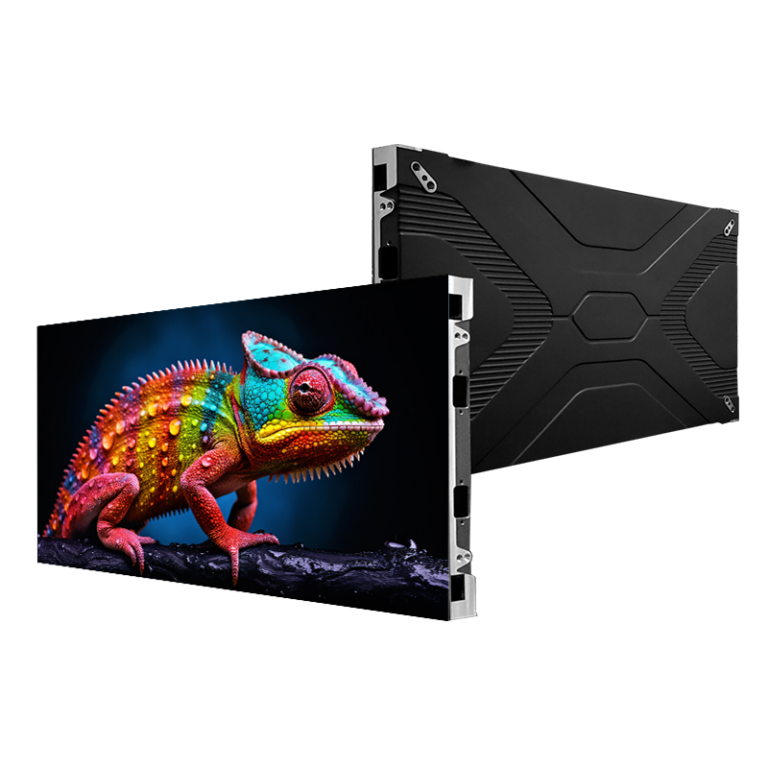
Technical teams at trade events such as Integrated Systems Europe (ISE) Barcelona often debate COB versus traditional SMD for high‑density indoor installs; those conversations reflect fielded outcomes and testing. For tight‑pitch, low‑seam needs consider Indooe COB scren as one documented approach—ask for test reports showing pixel integrity after thermal cycling and for a list of completed projects in comparable venues.
Alternatives and the mistakes to avoid
Compare direct‑view LED with LCD video walls and projection: LCD may be cheaper for bright rooms at lower resolutions, projection can be unsuitable where ambient light is uncontrolled. Avoid selecting solely on lowest price or on the prettiest render; insist on measured photometric data, failover plans for critical displays, and a clear spare‑parts policy.
Synthesis and the practical outcome
Focus each procurement around three certainties: measured performance, clear maintenance responsibility, and documented delivery milestones. Ask suppliers for those specifics, test samples under site conditions, and demand transparent warranties—this approach leads to predictable results and sensible budgets, and is precisely the kind of practical clarity provided by HDC.