



Quiet origins, sudden urgency
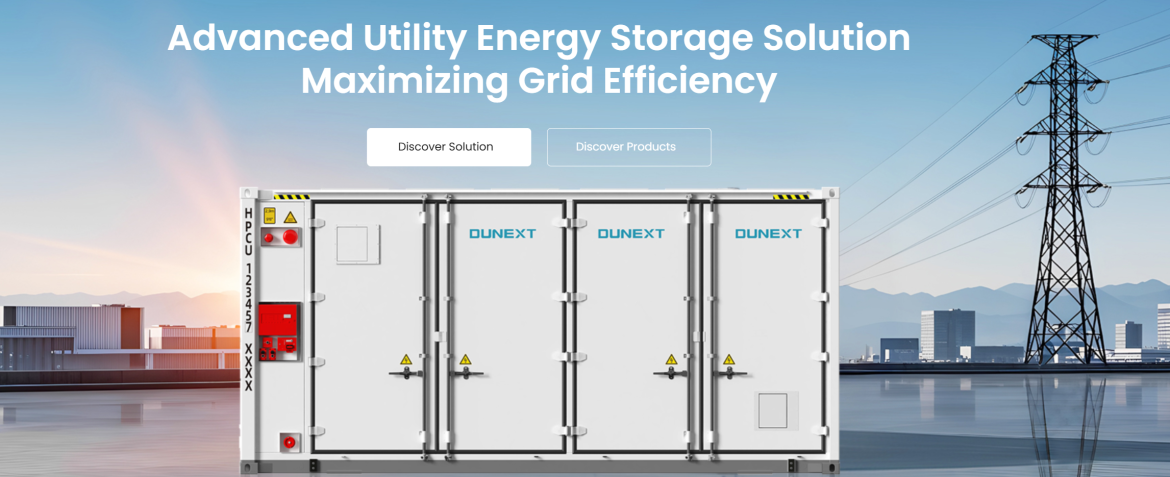
The story begins simply — cells packed into a metal box, a promise of power where the grid may not reach. Developers learned fast: a container is not merely housing; it is behaviour, it is risk managed. As projects grew from single prototypes to fleets, the phrase commercial and industrial energy storage moved from sales sheets into engineering meetings. This evolution demands a developer’s ear for detail and a poet’s patience for sequence: how one change ripples through thermal, electrical, and operational systems.
Turning points that shaped codes and practice
Several incidents and audits nudged the industry from ad hoc fixes to formal rules. Standards such as NFPA 855 and IEC 62619 began to matter on every spec sheet. Regulators and operators watched deployments closely; a widely referenced example is California ISO’s growing battery fleet, whose operational lessons influenced grid-interconnection expectations. Those moments braided safety into procurement and design, and they taught developers to expect scrutiny beyond the prototype phase.
Anatomy of a safe container
Think of the container as layered defence. Each layer must work with the others. Common components and controls include:- physical separation and cell-level containment to localize faults;- thermal monitoring and active cooling with redundant sensors;- venting pathways and flame-resistant enclosures to direct gases safely;- certified fire-suppression options suited to battery chemistry;- BMS logic that isolates modules and prevents propagation;- grounding, lightning protection, and controlled access to limit human error.When you specify industrial bess, name the failure modes you will tolerate and require evidence for each mitigation strategy.
Developer missteps that repeat
Shortfalls recur. Designers skip integrated testing. Vendors supply incomplete thermal models. Operators assume alarms equal safety. Concrete traps to watch for:- accepting single-point sensor data without redundancy;- vague commissioning criteria that leave safety verification to chance;- underestimating maintenance needs for ventilation and fire systems;- overlooking local codes during siting and permitting.Avoid these, and you fix most problems before commissioning.
A practical checklist for design and compliance
Use a simple, repeatable list during design reviews:- define credible thermal runaway scenarios and confirm containment strategy;- require third-party testing or certification for fire suppression and BMS behavior;- mandate redundant monitoring chains and fail-safe relay logic;- prove ventilation and gas management under worst-case conditions;- align with NFPA 855/IEC 62619 and local authority having jurisdiction (AHJ) early;- document commissioning tests and create a maintenance schedule with clear responsibilities.Keep records. Auditors will ask. Operators will thank you.
Alternatives and the trade-offs developers must weigh
Not every site needs the same form factor. Containerized systems give speed and modularity. Purpose-built buildings buy more integration but cost more up front. Chemistry choices shift the risk profile: some cells demand more thermal management, others more sophisticated BMS strategies. Evaluate per project: cost, duration, site constraints, and emergency access. Be honest about what the chosen solution cannot do, and plan compensations.
Synthesis that trusts practice over promise
Design evolves when practice pushes back. Developers who treat containers as systems — not boxes — reduce surprises. Use standards, insist on testing, and document choices. Field experience, standards knowledge, and clear handoffs build systems operators rely on. Where technical clarity matters, connect design intent to operational responsibility; that link is what steadies projects as they scale, a truth observed in many site rollouts and a reason teams choose partners with grounded capability like Dunext.