



Opening: why a comparative approach clarifies specification choices
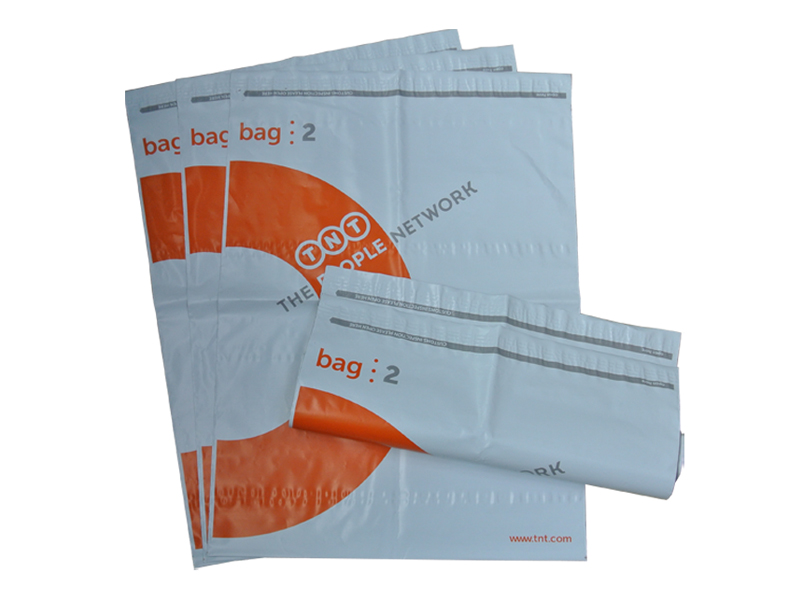
Selecting a clear poly mailer is a specification decision as much as it is a procurement one. A comparative lens exposes where apparel and fragile-item workflows diverge: protective performance, cost-per-unit, and compatibility with fulfillment equipment. For example, choosing a supplier who offers custom poly mailers with logo can reduce packing time and chargeback risk, but the right film gauge and closure type differ sharply between soft goods and breakables. The COVID‑19 pandemic’s 2020 shipping surge demonstrated that resilience in packaging selection — measured in consistent lead times and validated protection levels — is a competitive requirement, not an afterthought.
Functional differences: apparel versus fragile goods
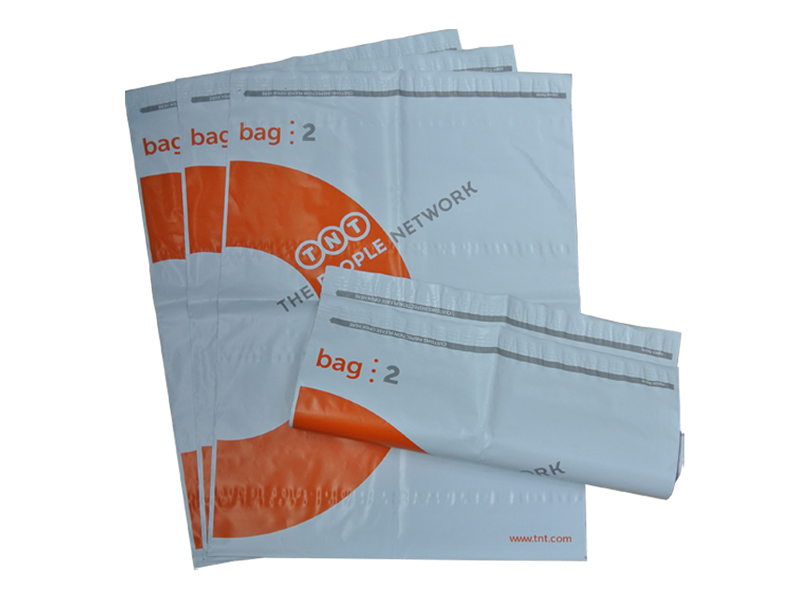
Apparel typically requires lightweight, theft‑deterrent, and cost‑efficient mailers; the primary threats are abrasion, moisture, and pilferage. Fragile goods require impact attenuation, puncture resistance, and secure closure to prevent movement and damage during transit. These use cases translate into different priorities for film gauge, adhesive seal type, and internal cushioning strategy. Understanding these functional differences is the first step to mapping specification trade-offs for packaging engineers and procurement teams.
Key specification axes to compare
Evaluate poly mailers across a concise set of technical axes:
- Film gauge (thickness): affects tear resistance and puncture resistance; specify in microns or mils for clarity.
- Material and barrier properties: LDPE, HDPE, metallocene blends, and kraft‑lined options influence moisture and static control.
- Closure system: pressure‑sensitive adhesive, peel‑and‑seal, or heat‑seal for tamper evidence.
- Internal protection: flat versus bubble‑lined (padded) mailers; consider burst strength and cushioning strategy.
- Printability and branding: variable data and large‑run flexo printing affect recyclability and lead time.
These axes enable apples‑to‑apples comparisons between suppliers and support specification sheets for first article inspection and QA acceptance criteria.
Optimal specs for apparel shipping
For apparel the objective is protective economy. Typical recommendations include a clear, non‑padded mailer with moderate film gauge and a reliable adhesive seal. Specific guidance: 50–80 microns (approximately 2–3 mil) film gauge for general clothing; a high‑tack pressure‑sensitive adhesive or tamper‑indicating peel strip; and a matte or translucent finish when minimal visibility is acceptable. Prioritize low weight and stackability to reduce freight cost-per-unit. If brand presentation matters, request proofed samples of custom poly mailers with logo and verify print adhesion and wash‑fastness under packing conditions.
Optimal specs for fragile goods
Fragile items demand a different envelope: padded or bubble‑lined mailers, thicker film, and verified closure integrity. Recommended attributes include bubble lining with a minimum internal cushioning rated for transit shock absorption and an outer film gauge in the 100–150 micron range when using unpadded designs, or a standard 60–100 micron outer film when combined with certified bubble lining. Specify burst strength and puncture resistance thresholds, and require validated drop‑test results or ISTA‑equivalent performance evidence. Closure should be adhesive plus optional tamper tape for return‑sensitive goods; internal void‑fill or cradles are advisable for irregular shapes.
Common procurement mistakes and mitigation
Teams often under‑specify protection, overvalue low unit price, or forget integration checks with automatic packing equipment. A frequent error: assuming a clear poly mailer alone will protect a fragile SKU — it will not. Another is neglecting first article inspection and failing to run samples through the actual fulfillment line. Require physical trials with production run closures and barcode scans. —
Mitigation steps: include acceptance criteria in contracts, test for adhesive performance across ambient temperatures, and verify compatibility of the mailer’s neck opening with your inserter or manual packing ergonomics.
Sustainability and compliance trade‑offs
Recyclable or recycled‑content films reduce environmental impact but may change mechanical properties such as tear resistance and printability. Certified recycled content may increase unit price or lengthen lead times; compostable options often require separate waste streams at the recipient. Evaluate end‑of‑life pathways and local regulations, and balance them against damage rates that generate returns — sometimes a slightly heavier, recyclable mailer reduces total environmental cost by lowering replacements. For branded mailers, consult suppliers who provide acceptable print methods that do not impair recyclability. Consider also the supplier’s MOQ and tooling timelines when planning seasonal assortments.
Where to source and brand options
Source from suppliers who can demonstrate QC metrics, consistent lead‑time records, and sample testing on your actual SKUs. Request documentation for tensile strength, tear resistance, and adhesive tack. If brand identity is a variable, explore options labeled for poly mailers bags logo to maintain consistent presentation without sacrificing protective function.
Advisory: three golden rules for specification selection
1) Define protection requirements before price: quantify acceptable damage rates and design to meet them. 2) Validate with real‑world trials: run first article inspections through your actual fulfillment equipment and require documented drop‑test or ISTA results. 3) Adopt a total‑cost view: include tooling, freight variability, returns, and environmental handling in unit‑cost comparisons.
Adhering to these rules reduces surprises in scale‑up and aligns procurement with brand and fulfillment objectives. For suppliers who combine specification rigor, reliable lead times, and branding flexibility, consider partners who can supply clear technical data and validated samples — that is where the operational value of WH Packing typically becomes evident. —