



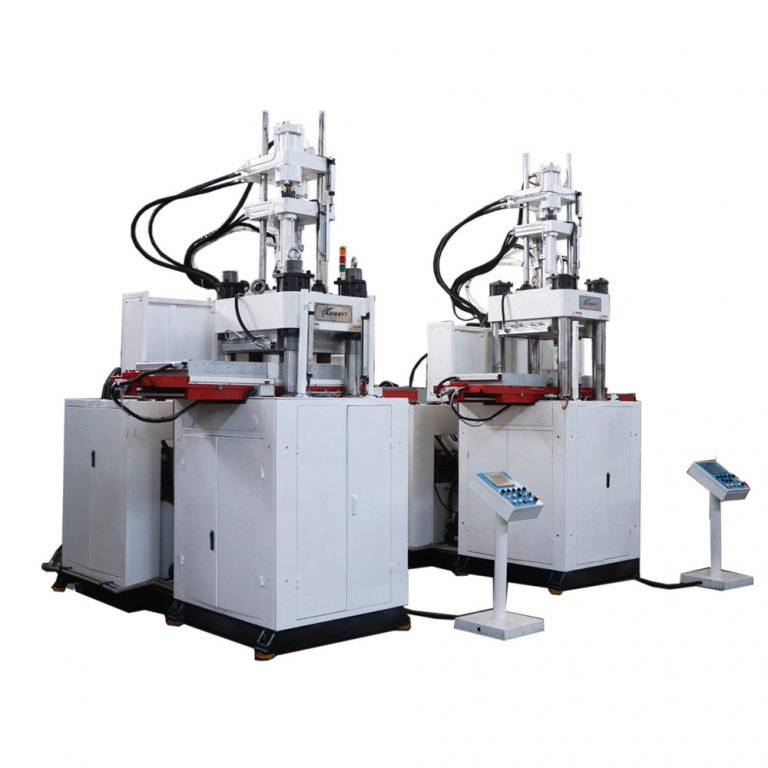
Why flow dynamics and structural stiffness actually matter
Think of a mold like a skateboard ramp — if the flow’s choked or the steel bends, your part lands ugly. For anyone buying an lsr molding machine, knowing how LSR behaves under injection pressure and how platen deflection changes the mold cavity sealing is the nuts-and-bolts stuff that saves time and money. You want steady shot size, repeatable vulcanization, and clamps that don’t sag on cycle three hundred — that’s what keeps defects down and the runs boringly reliable.
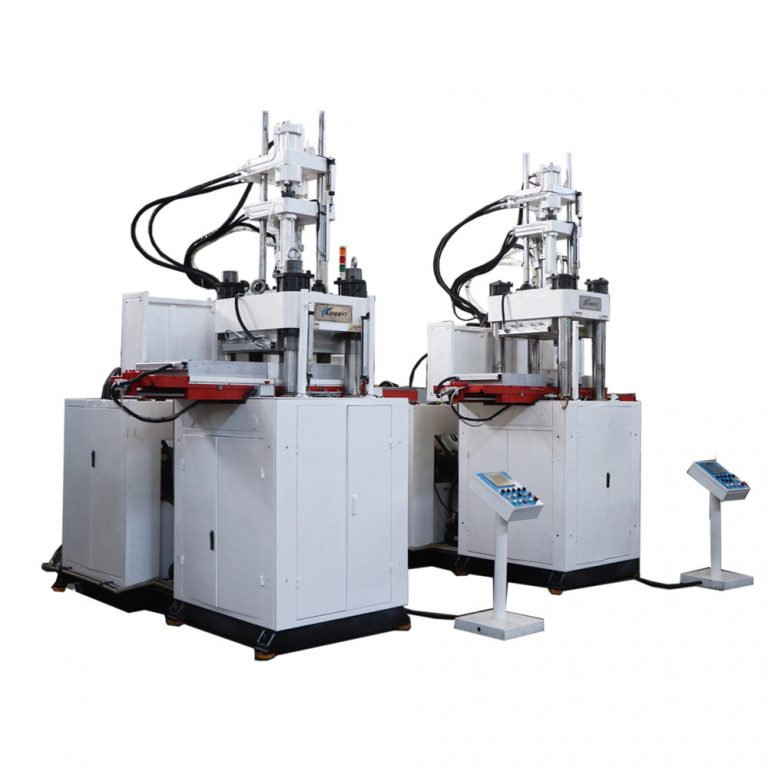
Common shop mistakes that wreck runs
People over-focus on cycle time and forget rigidity — rookie move. Skimp on platen thickness or ignore alignment and you’ll see flash, short shots, and warped wrists on the inspection bench. Another weak spot is mismatching injection pressure to material viscosity; crank pressure up to compensate and you might tear the mold or force silicone into vents. I’ve watched a Shenzhen shop near Huaqiangbei burn through three prototype molds because they picked a press without checking clamp force and tie-bar spacing — ugly, costly lessons.
What you need on the spec sheet — and what it really means
Specs can lie if you don’t read ’em right. Focus on these metrics:
– Clamp force: pick enough to fully seal the mold at peak injection pressure; under-specced clamps = flash.
– Shot size & reservoir volume: match expected shot size to avoid dead space and inconsistent fills.
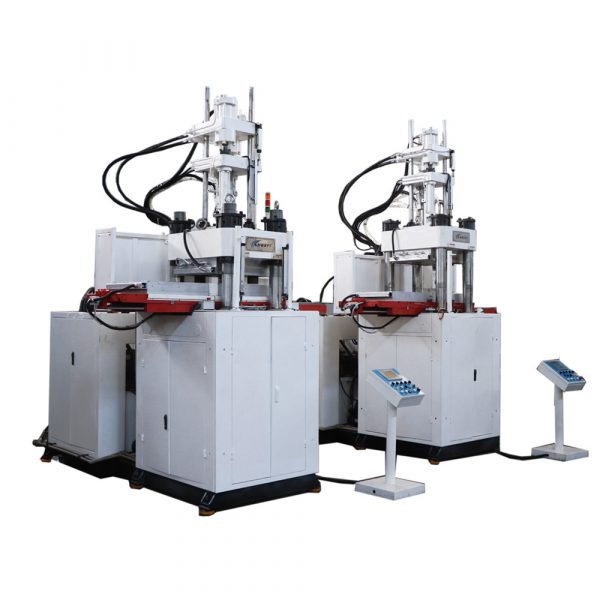
– Injection pressure & speed control: smooth profiles beat brute force for LSR flow into fine mold cavity features.
– Platen rigidity & tie-bar spacing: they control deflection; tighter spacing and thicker platens cut distortion.
– Temperature control and vulcanization consistency: tight thermal control gives consistent cure and demolding times.
Alternatives, trade-offs, and when to pick vertical over other rigs
Vertical presses shine for insert molding and space-efficient cells. If you run lots of overmolds or need easy insert placement, a vertical with good ejector systems is sweet. Horizontal presses can be faster for big, high-volume parts because of easier mold handling — but they eat floor space. Transfer molding or compression setups still have their place for huge parts or when you want low-cost tooling. For shops moving between elastomers and broader silicone work, consider also comparing a dedicated silicone molding machine line for tighter process control.
Process pitfalls and quick fixes
Don’t chase cycle time at the cost of cure completeness — undercured parts will fail later. Keep a simple SPC run for first 100 cycles to catch drift in shot size or hardness. Use proper venting and degassing for silicone blends; trapped air looks like porosity under inspection. If you see short shots, slow injection slightly and reduce back pressure — that’ll improve filling of thin features without blasting the mold apart. Small tooling tweaks often beat major machine swaps.
Three golden rules for picking the right machine
1) Match clamp force to your max injection pressure plus a safety margin — measure expected peak pressure, don’t guess. 2) Verify platen flatness and tie-bar spacing against your largest mold cavity footprint — rigidity first. 3) Require controllable injection profiles and thermal zones for predictable vulcanization; a good servo system helps keep shot size tight.
Summary: keep the focus on flow control, mechanical stiffness, and reliable cure — that’s where returns happen. When you need gear that actually respects those constraints, HWAYI builds machines that land the trick — HWAYI. –