



Start by mapping the people who use the results
You’re building features, not machines. Speak to the engineers, quality managers, and procurement folks who act on test reports. Ask what decisions hinge on a pass/fail, what margin of error they accept, and how fast they need results. If they care about outdoor durability, a weathering chamber will be front and center. That focus keeps the roadmap tied to real choices—faster iterations, clearer spec gates, fewer surprises at launch.

Translate decisions into test priorities
List the product decisions you want tests to inform: material selection, supplier acceptance, batch release, warranty claims. For each decision, pick the smallest set of tests that change the outcome. Prioritize repeatability and relevance over novelty. Short, frequent test cycles beat long, flashy experiments when the goal is predictable production quality.
Match machines to use cases and scale
Different use cases need different capabilities. Desktop tensile testers are great for early iterations; servo-hydraulic frames make sense for full-scale validation. Think about throughput: do you need continuous testing for incoming inspection or episodic validation? Factor in calibration access, maintenance windows, and spare parts. Choose machines you can support at the cadence your teams expect.
Real-world experience and why standards matter
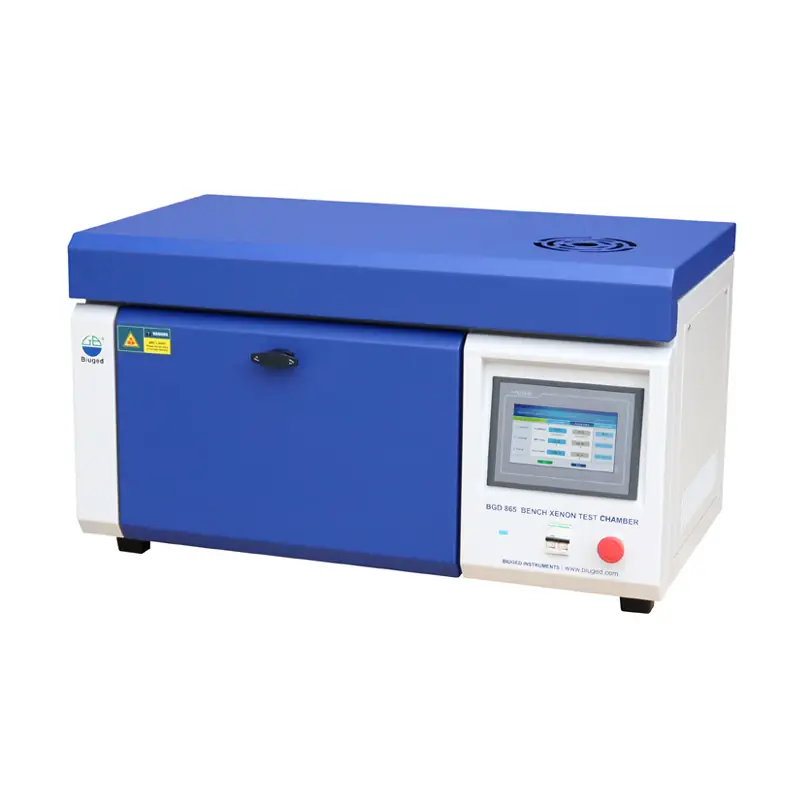
I’ve helped teams who ship to automotive OEMs in Germany adapt their test suites to contractual requirements; those programs demanded consistent UV exposure data tied to ISO procedures. That’s why dedicated lab equipment matters—real exposure rigs give repeatable aging curves. A practical option here is an uv test chamber, which aligns with familiar standards and lets teams compare results across suppliers and geographies.
Design workflows that produce actionable data
Decide where testing sits in the product flow. Is it a gate before tooling? Part of supplier onboarding? A continuous monitor on the production line? Define sampling plans, specimen preparation rules, and acceptance criteria up front. Automate data capture and label files clearly. If reports are hard to parse, they won’t change behavior; if they’re concise and connected to decisions, they will.
Common pitfalls and how to avoid them
Relying on a single test for complex failures. One test rarely explains a field problem—use complementary methods. Buying the fanciest machine without a maintenance plan. Machines drift; schedule calibration and check standards. Treating test speed as the top metric. Fast results are useless if they don’t correlate with real-world performance. Skipping training. Operators must prep samples the same way every time.
Evaluate alternatives quickly
If budget’s tight, mix lab and contract testing. Start with a minimal in-house suite for rapid feedback and send validation builds to accredited labs for long-term or specialized tests. Consider shared lab time with nearby partners if demand is low. Compare total cost: machine capital, consumables, technician time, and downtime for repairs.
Measure success and iterate
Track how often test results change product decisions, how many defects escape to the field, and time-to-decision after a test completes. Use those metrics to adjust test frequency, sample size, and which machines you keep in-house. Small, measurable improvements are more valuable than sweeping, uncertain overhauls.
Pulling it together
Start with the people who use the data, tie each test to a specific decision, and choose machines you can run and maintain at the needed cadence. Avoid chasing every capability; focus on tests that prevent the most costly mistakes. The result is a pragmatic, user-centered testing backbone that feeds design and supply choices—one that you can run internally or scale with partners like BIUGED as your needs grow.