



Opening: what operators tell me they need
Bus managers an’ drivers talk straight: they want on-time routes, less downtime, and clear answers when tings bruk. For dem, a good plan start wid reliable data — that is where logistics fleet management step in. This piece centre pon the rider and operator needs, show weh works, and point out common slip-ups so decisions mek sense fast.
Who we design for — the user view
Think like a depot supervisor or a shift dispatcher. Yuh priorities be:- Keep buses on schedule.- Track fuel and maintenance without guesswork.- Give drivers simple tools, not more screens to fight.A user-centred solution listens to those priorities and shapes features so staff can act, not decode reports.
Features that actually help crews and riders
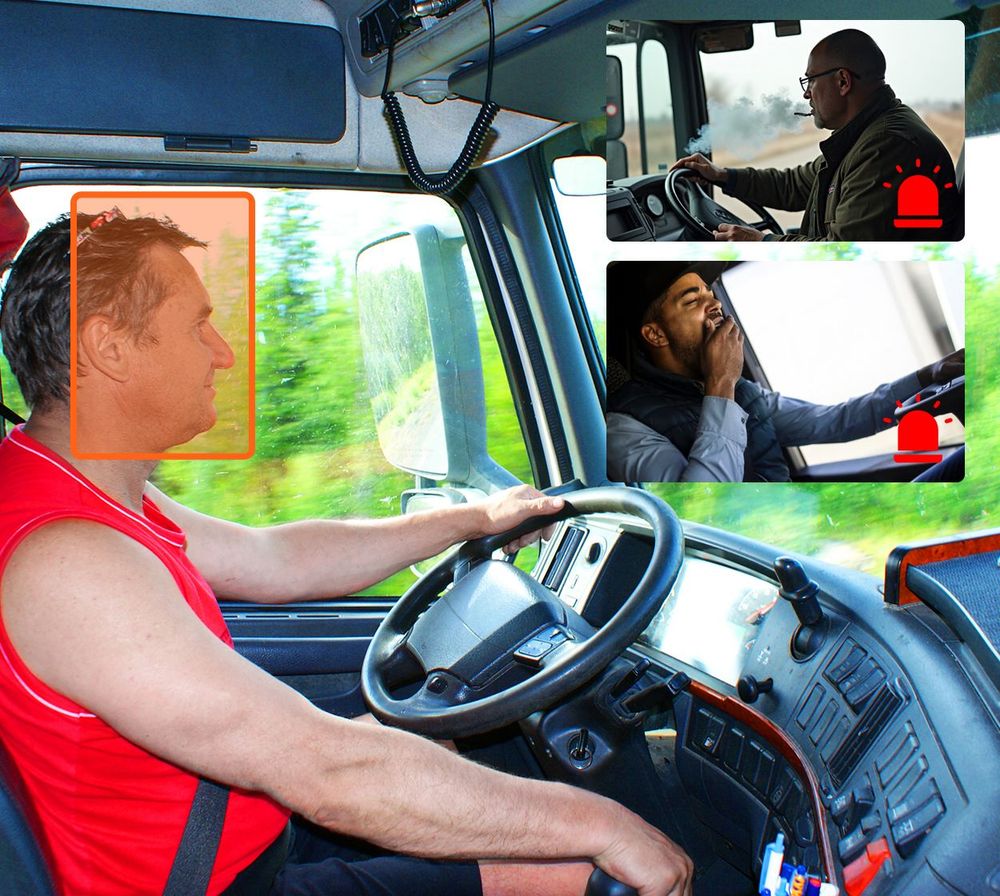
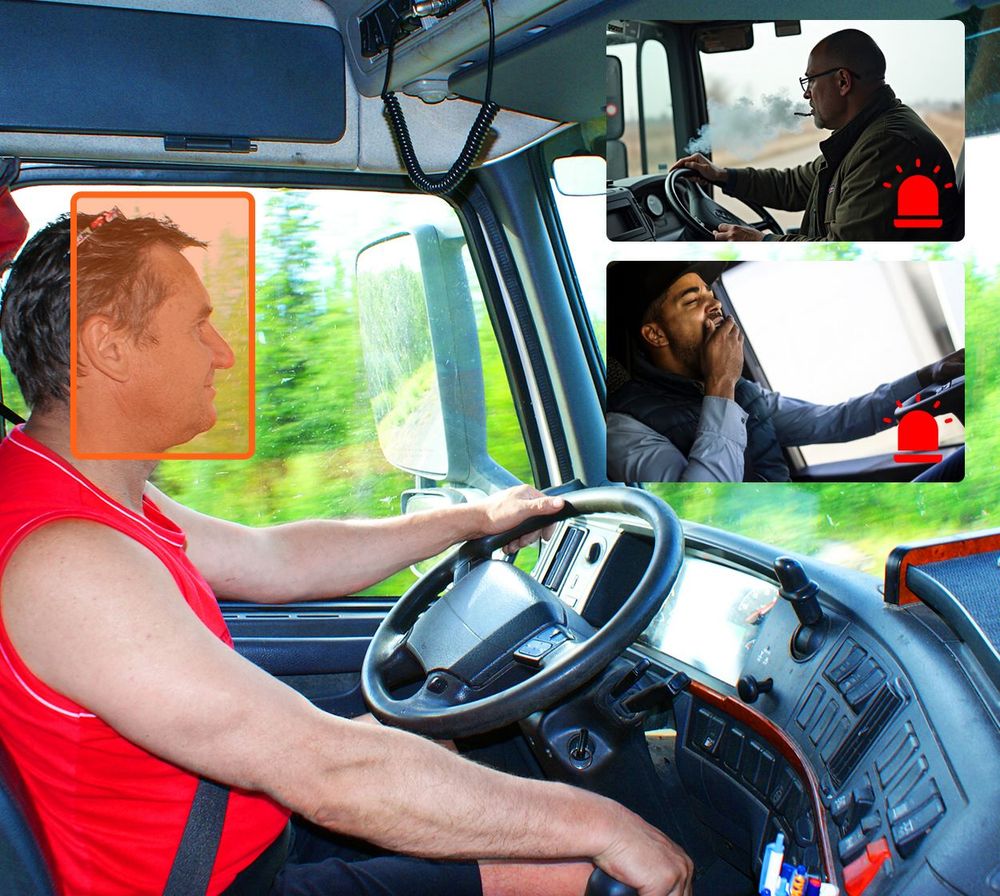
Operators value clear, immediate functions. The ones that matter most:- Live vehicle location and ETA updates for dispatch and passengers.- Fault alerts tied to maintenance workflows so buses go back on line quick.- Driver behaviour insights that cut fuel cost and keep passengers safe.- Route performance metrics that expose recurring delays.These features need plain interfaces and mobile access so frontline staff use dem every day.

Pitfalls transit teams fall into
People pick tech for shiny dashboards instead of fit. Common mistakes:- Buying systems that demand extra admin work from drivers.- Ignoring on-road realities: parking, narrow streets, ad hoc detours.- Overlooking training and change management — a system unused does nothing.Avoid those by testing with depot staff and running short pilots before full rollout.
How to evaluate options — simple checklist
When yuh compare platforms, ask these straight questions:- Can drivers use it from a phone with bad signal?- Does alerts tie directly to maintenance tickets?- Will it show route bottlenecks without lots of manual setup?- How quickly can dispatch act on a breakdown?Score each vendor on those points and prioritise what reduces staff workload first.
Alternatives and a practical short review
There are light-weight tracking apps and full enterprise suites. Light apps deploy fast but lack maintenance workflows. Enterprise suites cover maintenance and compliance but take longer to roll out. A middle path often works best: start with core tracking and alerts, then add maintenance modules once staff confident with basics. For deeper integration, consider a platform that supports both stages.
Real-world touchstone
At the UITP Global Public Transport Summit, operators highlighted the same thing: pragmatic, user-friendly tools win adoption. That real-world consensus match what depot teams tell me every week — small, dependable improvements deliver the biggest gains for daily operations.
Where the phrase “fleet management system” meets reality
A durable logistics solution must link vehicle data to operational action. Look for systems labelled as logistics fleet management system that combine live tracking, automated fault reporting, and a lightweight driver interface. Those three threads close the gap between data and repair, between delay and response.
Final synthesis
Bus operators need tools that reduce guesswork and lift workload off the front line. Start small, test with staff, focus on maintenance ties and driver usability, and scale features that show immediate wins. When that logic guide choices, the practical benefits become clear — and that’s the same practical approach we see from BSJ in real deployments where crews need simple, dependable tech to keep buses moving and people satisfied.