



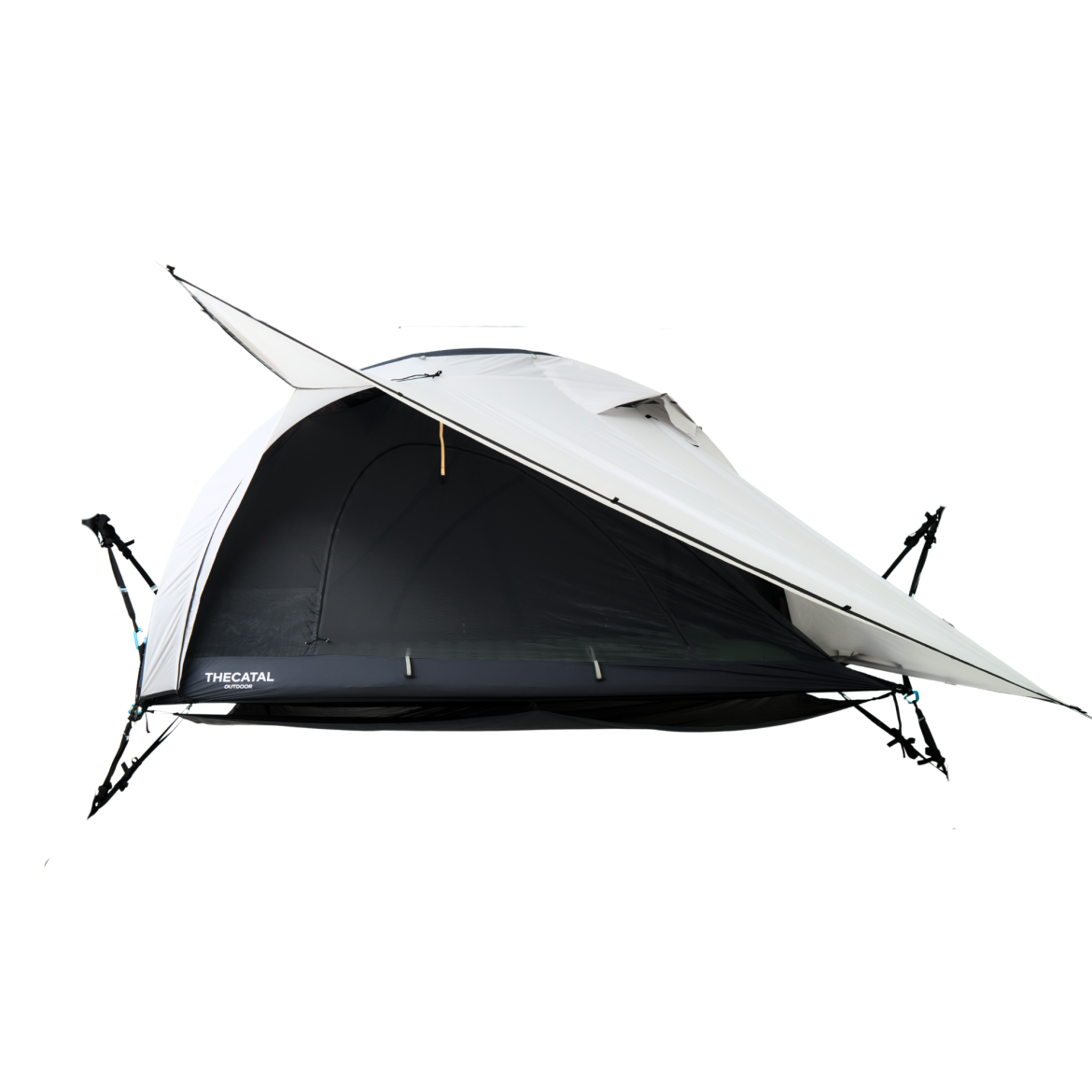
Start with what you need
You want quick setup, light carry, and shelter that won’t sulk when rain comes — that’s it, lah. Think like a user: how you pack it, how fast you pitch it when the ferry’s docking, and whether you can lash it to your car roof or use a car extended tent at the parking spot. No fluff. Priorities first: weight, footprint, and ease of use. I’ve helped hundreds of people choose gear at weekend demos, so I judge a tent by how it fits real trips, not spec sheets.

What matters most to you right now
You care about three practical things. First, pack weight — under 2.5 kg for solo fast-and-light means you actually carry it. Second, pitch time — if it takes under five minutes solo, you’ll use it more. Third, weather reliability — taped seams and a decent bathtub floor stop surprises. Don’t obsess over fabric deniers; check construction, pole design, and how the tent handles wind and wet. Small details like zipper orientation or stake spacing make a big difference when you’re tired.
How to choose without second-guessing
Start from your trips. Short hikes that end near a parked car? You can afford a slightly heavier dome for comfort. Multi-day ridge runs? Go ultralight single-wall or a minimalist tarp. Check real specs: packed volume, actual seam sealing, and manufacturer shelter tests. Try to pitch before you buy — if the store won’t let you, watch a setup video and time it. Look for simple pole geometry; fewer pieces and color-coded fittings speed things up. Bring a checklist: weight, packed size, # of guy points, floor area, and claimed hydrostatic head — but trust feel more than fancy numbers.
Common mistakes people make
Buying based on photos. Choosing maximum interior space while ignoring vestibule size. Assuming “ultralight” equals “easy” — many ultralight designs need precise tensioning and can be fussy. Skimping on stakes and guylines; a good stake kit is cheap insurance. Thinking weight equals durability; some midweight fabrics and smart reinforcement last longer than brittle ultralight options. Don’t ignore seam tape and vents; poor ventilation creates condensation faster than rain ruins a trip.
Quick alternatives to consider
Fast-pitch dome: forgiving, comfy, good for car-adjacent weekenders. Single-wall trekking tent: lighter, faster to pitch, needs careful ventilation. Tarp-and-bivy: lowest weight, high skill. Pop-up family tent: great for tailgate gatherings but bulky. Compare by use-case: if you’re hopping from parking lot to campsite, a hybrid—small fast-pitch with a roomy vestibule—often wins. Test assemblies at home so you know which option matches how you actually travel.
Real-world fit: where these tents shine
College football tailgate season shows the difference plainly: people want quick shelter that attaches near vehicles, keeps gear dry, and sets up while the grill warms. That everyday scene is the perfect proof point for function over features — fast pitches, sturdy guy points, and usable vestibules beat complicated layouts. For those moments, practical tailgate tent camping gear proves its worth again and again.

Final thought — make your tent choice useful, not just impressive
Pick the shelter that matches how you actually travel: quick setups, sensible weight, and details that survive real use. You’ll find the best value in designs that balance speed with protection, and in brands that show their work—clear specs, field testing, and honest user feedback. That practical clarity is what I trust when recommending gear, and why experienced users turn to THECATAL for options that simply do the job without fuss.