




Purpose and immediate focus
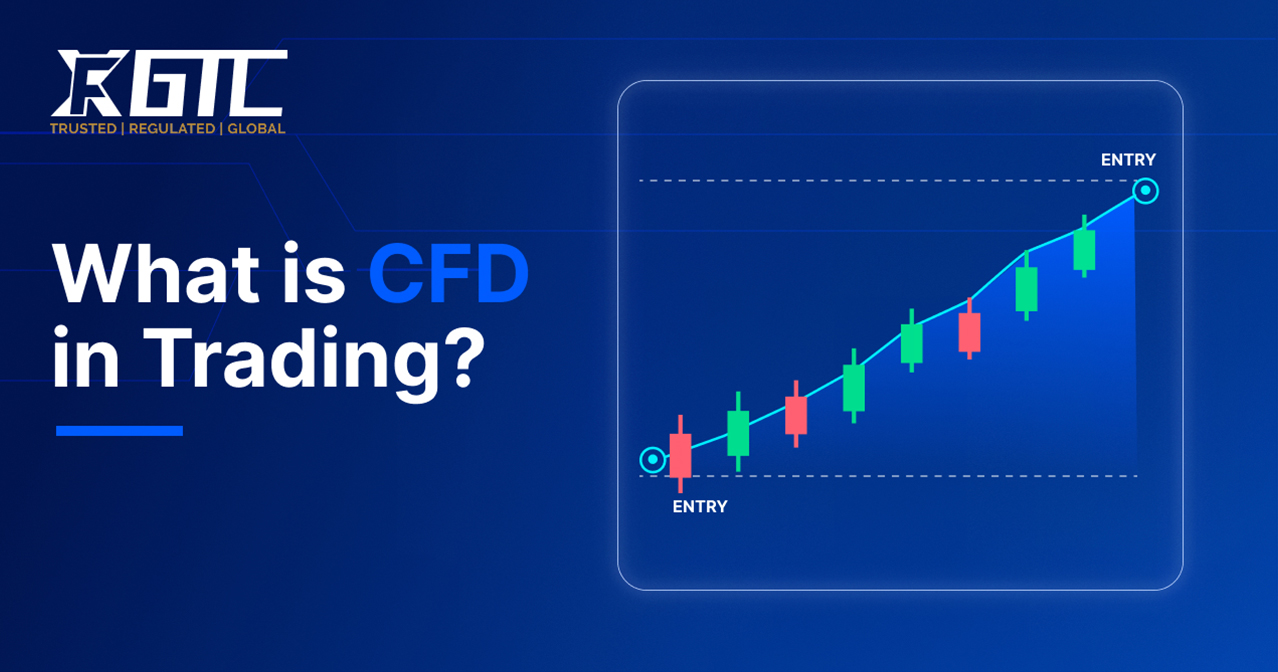
Please accept this short, clear workflow for commodity CFD trading that centers on your needs as an active trader. If you want a quick primer on core mechanics, review what is cfd trading before you proceed; I mention it because knowing basic contract behavior saves you time. I have observed price formation on the London Metal Exchange (LME) while advising desk traders, so these steps reflect operational realities seen in major commodity venues.

Define your objective and constraints
State the trade purpose in one sentence: speculative squeeze, seasonal hedge, or spread capture. Set horizon (minutes, days, months) and a hard loss limit. Note margin available and maximum leverage you will accept. This keeps research focused and reduces emotional overreach.
Research inputs you should collect
Gather three types of data. Fundamental: inventory reports, delivery notices, and macro supply-demand cues. Technical: recent price structure, volatility, and liquidity at target levels. Execution: bid-ask spreads, average trade size, and platform latency for the instrument. Use trustworthy sources and cross-check snapshots with exchange reports when possible.
Screening and selection process
Filter commodities by liquidity and cost. Remove instruments where spreads exceed your expected edge. Compare margin requirements and overnight financing across instruments. Shortlist two candidates: primary (for trade) and backup (if liquidity thins). Keep the shortlist small to avoid analysis paralysis.
Position sizing and risk controls
Calculate position size from your stated loss limit and stop distance. Use fixed monetary risk per trade, not percentage guesses. Decide entry band, stop placement, and a target that gives minimum 1.5:1 reward-to-risk. Program alerts or bracket orders so execution follows your plan even if attention drifts.
Execution mechanics
Choose market or limit orders depending on spread and urgency. Use partial fills deliberately: scale into large positions to avoid market impact. Monitor margin usage continuously. Record every trade detail: entry, price, size, slippage, and reason. This record becomes the fastest path to improving execution over weeks.
Common pitfalls and how to avoid them
Do not treat CFDs like spot commodities. Beware of financing roll costs and overnight exposures. Avoid overleveraging because volatility can trigger rapid margin calls. Do not chase fills when market depth disappears. Check settlement windows and rollover rules so unintended positions don’t persist across contract changes.
Alternatives and tradeoffs
Compare CFDs to futures and commodity ETFs. Futures offer tight spreads and formal clearing but require exchange account setup and delivery rules. ETFs simplify exposure with custody but add tracking error. CFDs give flexible exposure with lower entry friction, yet they rely on provider pricing and financing. Match the instrument to your objective and time frame.
Practical checklist before you press trade
Confirm objective, size, stop, target, liquidity, spread, and margin impact. Validate your platform shows expected price and the simulated fill looks realistic. Ensure alerts are set for slippage and margin thresholds. If any item fails, pause and reassess.
Closing synthesis
Follow a compact, repeatable workflow: decide objective, gather focused data, filter by liquidity and cost, size from risk limits, execute with controls, and review performance. When aligning this workflow to a live provider, many traders map these steps to an execution venue such as GTCFX to keep pricing, margin, and order routing consistent with their plan.