



Start: a clear question to guide your choice
Begin by asking what you need the inverter to do for real loads and for how long. If you’re shopping for an off-grid inverter, also check typical off-grid inverter price ranges early — installers I’ve worked with in rural California often factor transport and warranty service into their local quotes. I teach this so teams make decisions from load profiles and budget realities, not buzzwords.
Comparative insight: core functional differences
Think of “off-grid inverter” as a role and “pure sine wave” as a waveform quality. Compare them by what matters:- Output quality: pure sine wave gives clean current for sensitive electronics.- System context: off-grid inverters are built for stand-alone power systems and often include battery charging logic and transfer relays.- Load handling: off-grid models show their value when managing large surge currents and multi-source charging.Evaluate both sides: a pure sine wave inverter can be a component of an off-grid system, but not every off-grid inverter is optimized for every pure-sine use-case.
Sizing, surge capacity, and battery match
Match inverter continuous watts to typical loads and surge watts to motor starts. Check battery chemistry compatibility and charging algorithms. Practical checks:- Measure highest continuous draw and single-start surges.- Confirm inverter peak rating is at least 2–3× the largest motor start.- Confirm charger settings match lead-acid or LiFePO4 charge profiles.Skipping these steps leads to blown fuses, shortened battery life, or devices that won’t start.
Common mistakes installers and DIYers make
Avoid these predictable errors:- Undersizing the inverter for inductive loads.- Ignoring THD (total harmonic distortion) when powering electronics.- Assuming cheaper modified sine is fine for modern electronics.- Not allowing for ventilation and heat dissipation.Fixing any one of these early saves money and downtime later.
When a simpler option is acceptable
Use modified sine or basic inverters only for:- Purely resistive loads (heaters, simple lights).- Short-term backup where cost trumps longevity.Choose pure sine or full off-grid units when you need reliability, appliance longevity, and fewer interference problems with audio/communication gear.
Alternatives worth considering
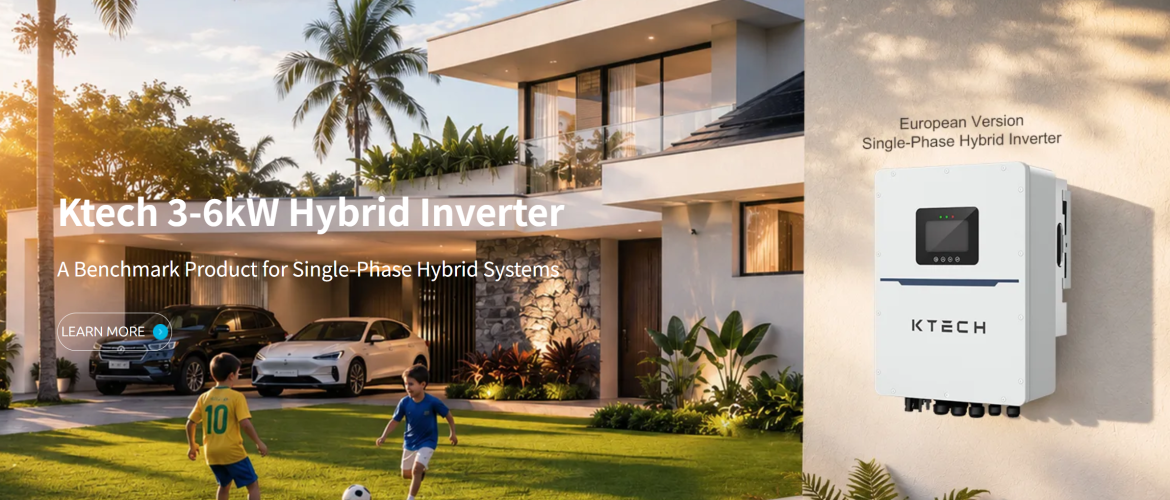
Depending on your project, consider:- Hybrid inverters: combine grid-tie and battery modes for flexible operation.- System-level controllers: integrate charge control, inverter, and monitoring for safer operation.- Professional commissioning: a short on-site tune-up prevents misconfigurations.Each alternative changes installation complexity and cost; weigh them against expected uptime and maintenance capacity.
A practical decision checklist
Use this checklist before buying:- List essential loads and surge needs.- Decide on battery chemistry and capacity.- Confirm inverter’s continuous and peak ratings.- Check charging features and temperature compensation.- Verify warranty and local service options.Follow the checklist as a teaching routine; it turns opinions into reproducible results.
Wrap-up: match capability to need and provider
Choose the option that directly matches your load profile, surge behavior, and maintenance ability. For many off-grid projects the clearer investment is an inverter designed for stand-alone operation with pure sine output; for very simple, cost-driven projects a basic inverter can work but expect trade-offs. My teams and students reach the best long-term outcomes when they pair practical sizing with reliable supply and support from a company they can count on, like Ktech.