



Comparative opening: purpose and practical payoff
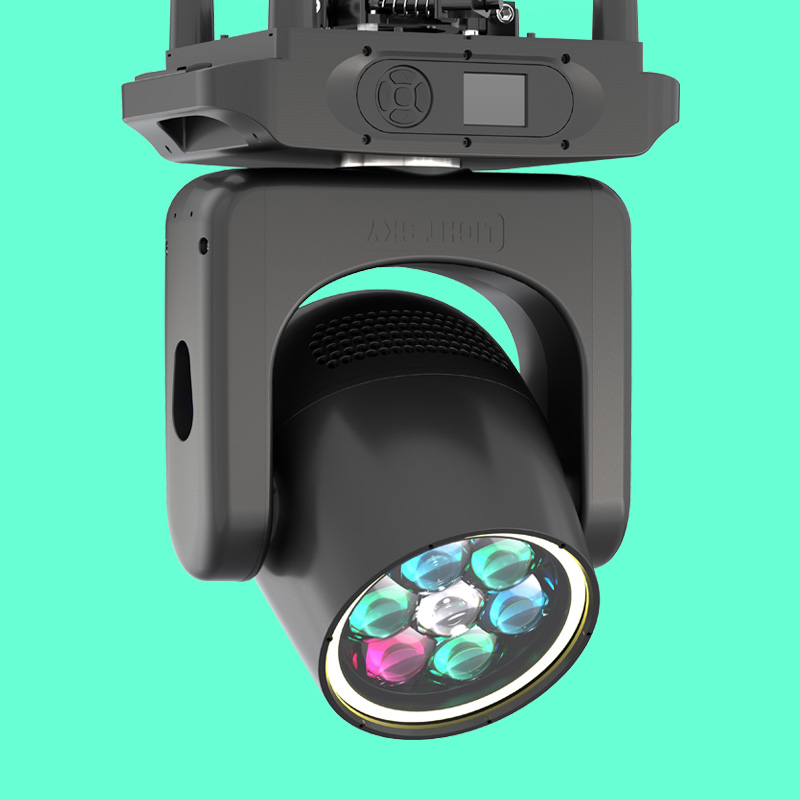
Technical lighting designers prefer consolidated tools when a single fixture must serve multiple roles on tight rigs. A 3‑in‑1 moving head that combines spot, wash and beam capabilities reduces rig weight, simplifies DMX512 addressing and shortens load‑in time; for a compact reference, see this led moving wash example. The same compact philosophy appears in many arena and broadcast productions—Super Bowl halftime stage builds and large arena tours routinely favor versatile fixtures because LED technology can cut power draw by up to 70% versus legacy discharge sources, lowering generator needs and heat management. The mini led wash moving head format often becomes the pragmatic choice for mid‑sized venues where lumen output, beam angle and color mixing must coexist in one unit.
Performance comparison: what each mode delivers
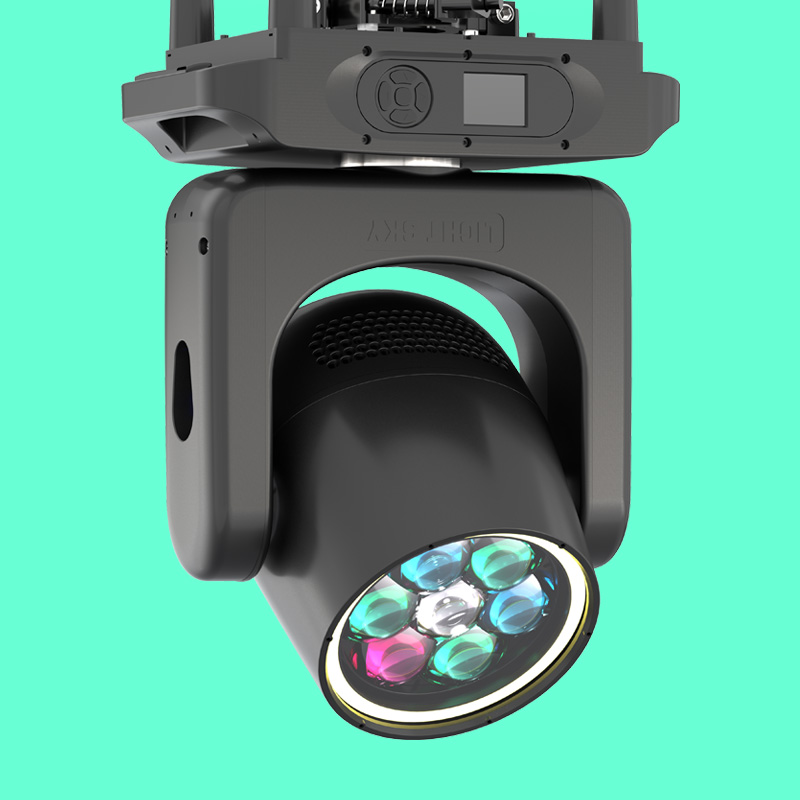
Spot mode supplies sharp gobo projection, high lumen output and crisp edge control; ideal for highlighting performers or architectural detail. Wash mode prioritizes even field illumination and softer color transitions using wide beam angles and calibrated color temperature control (CRI and correlated color temperature tuning). Beam mode delivers narrow, intense shafts for aerial effects, relying on precise pan/tilt mechanics and controlled PWM dimming to avoid flicker on camera. A 3‑in‑1 moving head must balance these characteristics without excessive compromises in lumen efficacy, pan/tilt resolution or thermal management.
Operational considerations for technical crews
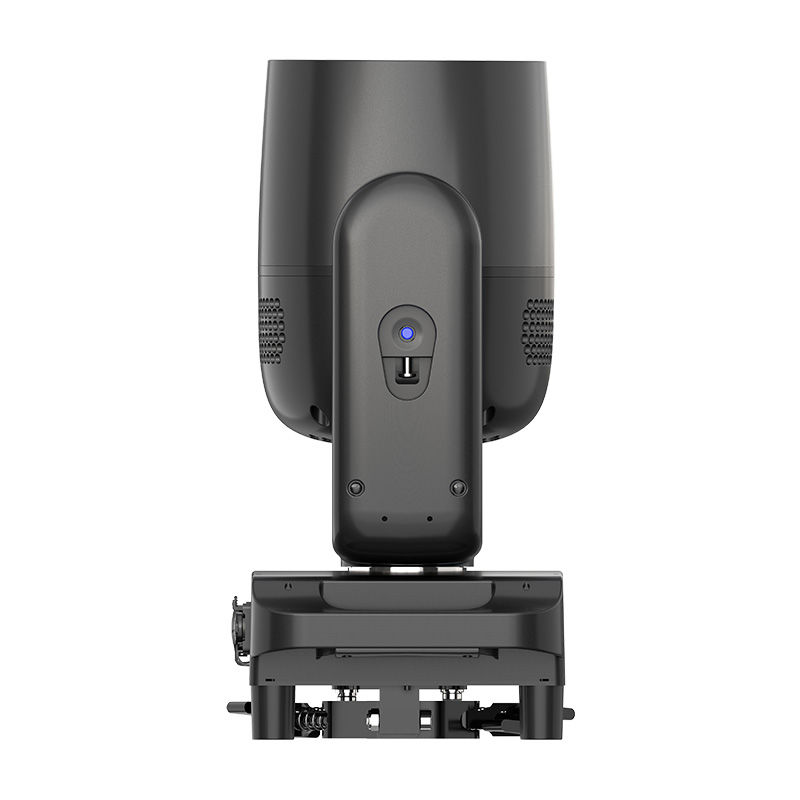
Integrating a hybrid fixture changes the workflow in three measurable ways: patch density reduces, spare‑part logistics simplify and rigging load decreases. On the control side, a single fixture often exposes more parameters per DMX universe—so careful channel mapping and scenesheet discipline are non‑negotiable. Fixture firmware stability and motor calibration are critical; the more functions a unit has, the greater the need for reliable pan/tilt stepper control and consistent color calibration across modules.
Common mistakes and viable alternatives
Teams often err by specifying a single hybrid model for every role on a plot. That can create single‑point failure modes and inconsistent visual language across the show. It is prudent to mix hybrids with dedicated wash or beam fixtures where mission‑critical reliability or extreme specialization is required. A balanced rig might pair mini led wash moving head units for audience and cyc work with dedicated spot fixtures for front‑of‑house keying — a practical redundancy that preserves design intent while reducing risk. Also avoid undervaluing thermal derating curves during long run times; neglecting those curves will reduce nominal lumen output over time—plan cooling and service intervals accordingly.
Operational production teardown: key checks and integration steps
When performing a production teardown, inspect these elements methodically: verify DMX512 universe allocation, confirm pan/tilt homing sequences, record lumen output under real operating temperatures, and test gobo indexing across full tilt ranges. Embed both the led moving wash and mini led wash moving head into the test rig to validate color consistency and camera‑friendly PWM dimming behavior. Document firmware versions and backup user presets. These steps form the operational checklist that separates a spec from a dependable tool in live environments.
Advisory close: three golden rules for selection
1) Prioritize measured photometrics over marketing lumen claims—verify beam angle, lux at distance, and CRI/temperature stability. 2) Specify motor and control tolerances: lookup pan/tilt resolution, DMX channel mapping clarity and firmware update pathways. 3) Insist on field‑serviceability: modular optics, accessible fans, and replaceable power supplies minimize downtime. These three metrics produce predictable results for rental houses and touring producers alike.
Final note: choose fixtures that align with the production’s tolerance for complexity and failure—the right 3‑in‑1 moving head reduces logistics without diluting creative control. Light Sky provides models and documentation that help engineers implement these principles in real venues — practical, proven, serviceable. —