



Introduction: A Room, a Meeting, and the Minutes That Slip Away
You walk into a boardroom at 8:55 am and half the team is already fiddling with gear. The wireless conference system looks ready, blinking like Christmas lights. Yet someone can’t unmute, someone else can’t pair, and an exec is waving for help (alamak, not again). Industry surveys often show 10–15% of meeting time lost to setup or fixes. That is real cost, sia. So here’s the question: are we failing because the tools are bad, or because they hide the real limits—RF congestion, battery drift, and human patterns—we never talk about?
Let’s step through the noise, compare today’s choices, and see what actually makes speech clear, setup fast, and downtime rare. Onward.
Hidden Friction With Wireless Conference Mics: What You Don’t Hear Hurts
Where does the pain really come from?
We love the idea of wireless conference mics, but the day-to-day grind tells another story. Look, it’s simpler than you think. The mic is only as good as its radio and the room. RF spectrum is crowded with Wi‑Fi, DECT, and phones. When channels collide, latency climbs and voices clip. Users then tap the mic harder—funny how that works, right? Add batteries that age unevenly, and you get “green light” but weak transmit power. You hear it as dropouts. The system logs call it “packet loss.” Same pain.
Then there’s human flow. People move chairs. They block line-of-sight. They hold the mic at odd angles. Beamforming helps, but only if gain staging and DSP presets match the space. Many rooms don’t. Firmware versions drift across fleets, so one mic hops channels while another sticks. QoS tags get stripped on the guest VLAN. Jitter buffers try to hide the mess, yet you still notice syllables missing. Add mute logic confusion—LED says on, platform says off—and trust falls. AES-128 encryption keeps speech private, yes, but it adds overhead if radios are weak. The result feels random. It isn’t.
Comparative Insight: Managed Mesh, Smarter Power, and What’s Next
What’s Next
Moving from ad hoc pairing to a managed mesh changes the game. Instead of mics “guessing” for channels, the system coordinates—scans, assigns, and reassigns on the fly. Think channel hopping plus dynamic frequency selection that watches noise floors, not just static rules. Edge computing nodes in the charger case run health checks before sessions. They push mic role profiles, beam patterns, and talk-time budgets. Result: predictable latency targets, not vibes. When a room fills, the controller tightens power converters and output to cut self-interference. And if a band gets messy, failover paths kick in. Clean. Fast. Practical.
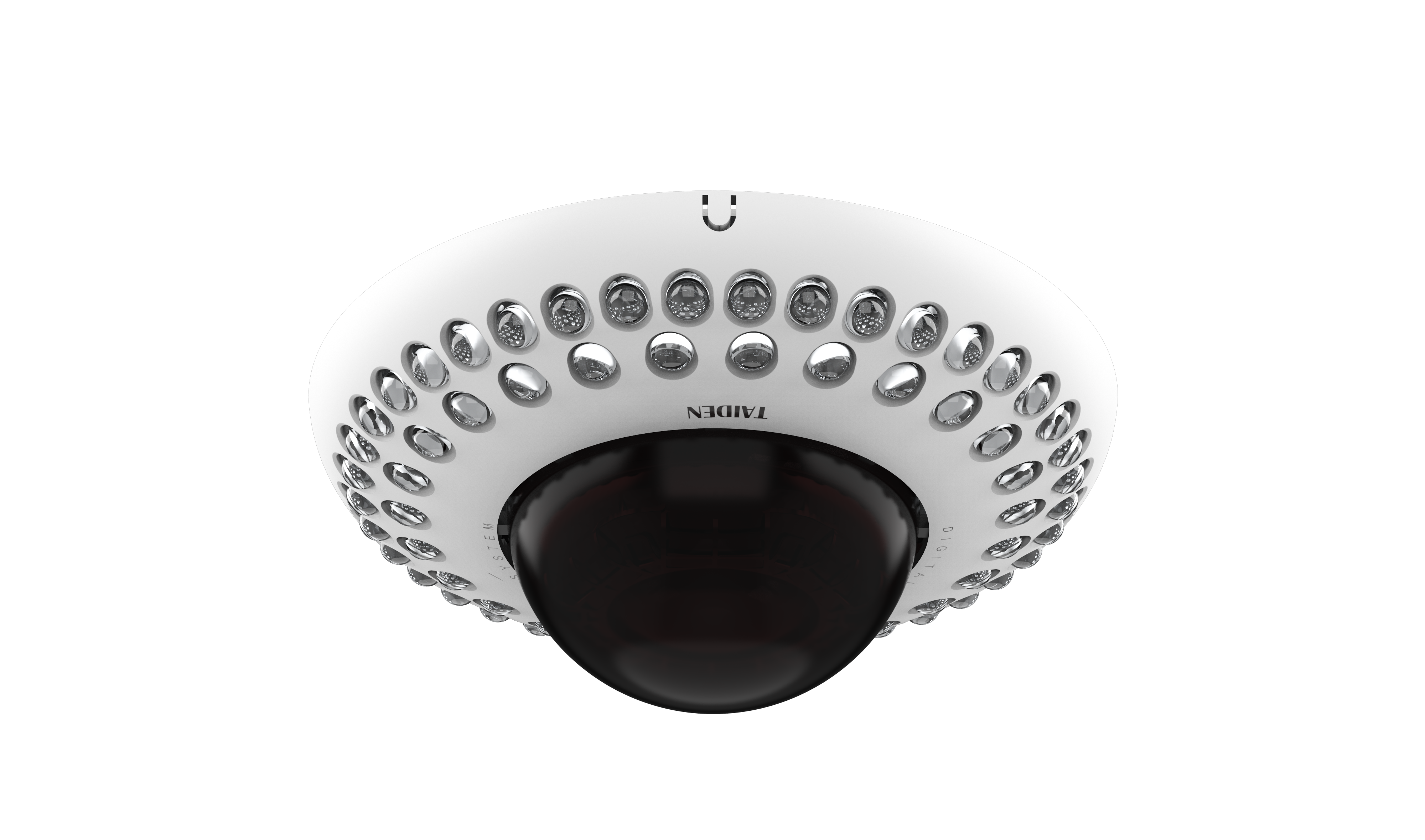
In real rooms, the difference shows up as behavior. Users stop tapping. Rooms turn over quicker. IT sees fewer tickets because fleets patch over the air at night. A platform like the taiden wireless conference system illustrates this approach—telemetry, battery analytics, and coordinated RF moves rather than hero fixes at 9:02 am. Not every site needs all the bells, lah, but compare outcomes: fewer retries, steadier gain, and less “Can you hear me?” That’s the quiet win we chase—funny how trust returns when sound just works.
So, how to choose without guessing? Use three checks. One: end-to-end speech latency that stays under a clear ceiling in busy RF (aim for stable numbers, not best-case). Two: RF resilience you can measure—error correction under load, channel agility, and recovery time after interference. Three: fleet management that ops can live with—battery health scores, role-based access, and simple OTA updates. Evaluate these side by side and the right pick becomes obvious, even if the branding is loud. For steady meetings and sane mornings, that’s the yardstick. TAIDEN