



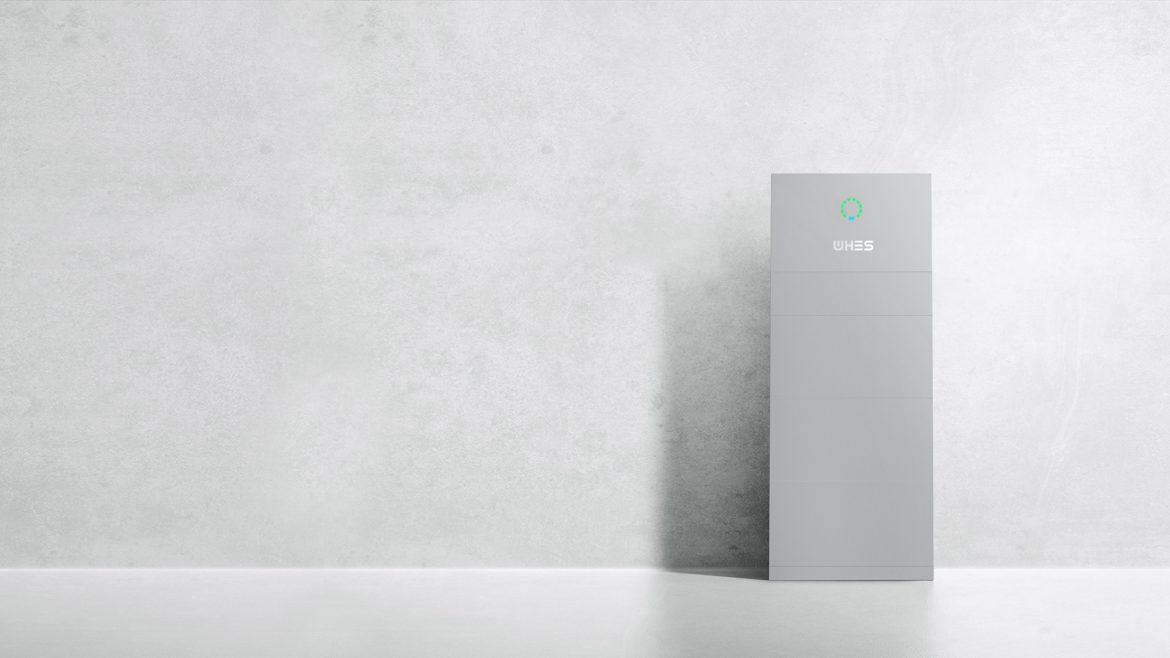
Why a comparative approach is essential for C&I procurement
Commercial and industrial (C&I) buyers cannot choose a storage vendor on price alone; they must evaluate validation methods, interoperability, and operational resilience. A vendor who demonstrates robust hardware-in-the-loop (HIL) testing and cloud telemetry reduces deployment risk. For smaller sites or pilot projects you might start with a 10kwh battery storage system, but scaling to fleet-level performance demands far more rigorous proof than brochures provide. In short: validate, then buy.
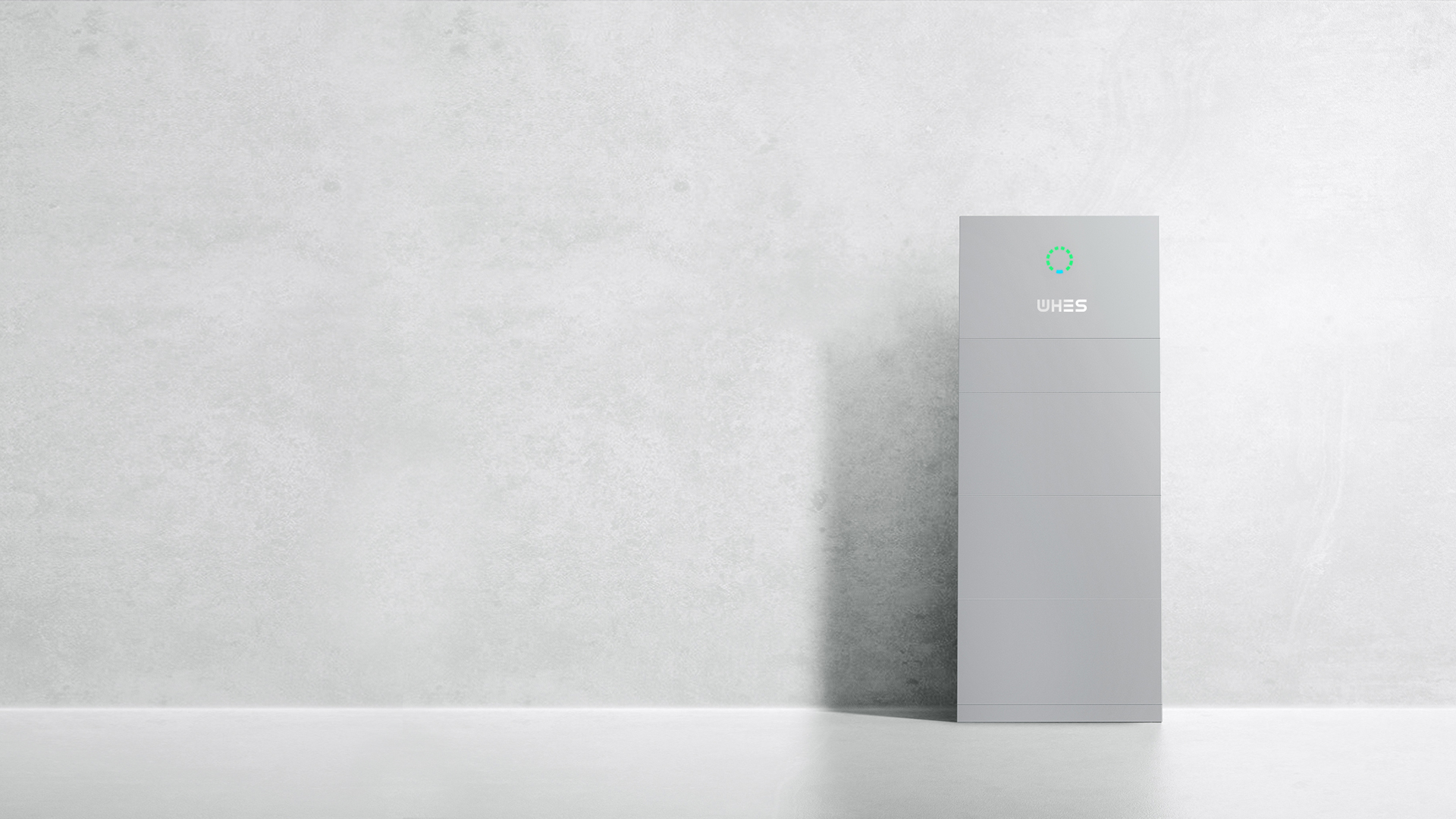
Core technical criteria to compare
Make your vendor comparisons around these measurable attributes: battery chemistry and cycle life; battery management system (BMS) sophistication; inverter interoperability; round-trip efficiency; and the warranty’s coverage of degradation. HIL validation — ideally performed in real time and integrated with cloud analytics — tests firmware, inverter interactions, and BMS behavior under fault conditions that are impossible to reproduce safely on a live grid. These criteria convert marketing claims into engineering requirements and give procurement teams objective benchmarks to score vendors.
How WHES distinguishes its offering
WHES combines cloud-native telemetry, deterministic HIL rigs, and automated testbeds that run repeatable scenarios at scale. That combination addresses both firmware regression risks and field interoperability. Their test strategy stresses system-level scenarios: inverter anti-islanding, dynamic ramp events, and BMS responses to abrupt depth of discharge (DoD) excursions. The result is not just lab data but validated behavioral models you can trust in commissioning and remote updates. For customers evaluating larger capacities, consider how this level of validation translates to systems such as a 20kwh battery storage deployment — the larger the bank, the greater the need for live HIL verification to ensure safe, predictable operation.
Real-world anchor: why field events matter
The importance of rigorous testing became clear during California’s wildfire-driven Public Safety Power Shutoffs (PSPS). Utilities and facility managers faced sudden resiliency demands, and many installations exposed gaps in interoperability and state-of-charge (SoC) management. These events accelerated adoption of validated storage solutions and highlighted the value of proven firmware and remote diagnostics. Vendors that relied on bench tests alone struggled to replicate those real-world fault sequences — a cautionary example for any C&I buyer.
Common procurement mistakes — and fixes
Buyers often repeat the same errors: they accept vendor round-trip efficiency claims without seeing degradation curves, they neglect firmware update policies, and they assume warranties cover real operational wear. Another frequent mistake is ignoring cybersecurity posture for cloud-connected systems — a critical lapse when the BMS and inverter are Internet-accessible. Fixes are straightforward: require end-to-end test reports, insist on field-simulated HIL passes for critical scenarios, and get written SLAs for firmware patching and incident response. — These steps are not optional if you operate mission-critical processes.
Alternatives to full HIL validation and when they apply
Not every project needs full-scale HIL. For low-risk, isolated backup where the system is seldom cycled, factory acceptance tests and accelerated calendar cycling may suffice. For pilot projects or microgrids, a phased approach works: start with hardware acceptance and progress to cloud-enabled HIL once commissioning proves stable. However, when systems are grid-tied or part of demand-response portfolios, skip the shortcuts — the operational and financial consequences of a misbehaving stack are too large.
Three golden rules for selecting a C&I storage vendor
1) Insist on real-time, repeatable HIL validation: the vendor should demonstrate fault scenarios, inverter-BMS interactions, and firmware rollback procedures under cloud-monitored conditions. 2) Evaluate total cost of ownership, not headline price: include cycle life, expected degradation curves, and warranty exclusions for cascading failures. 3) Demand operational transparency and service SLAs: remote diagnostics, patch timelines, and cybersecurity controls must be contractually defined.
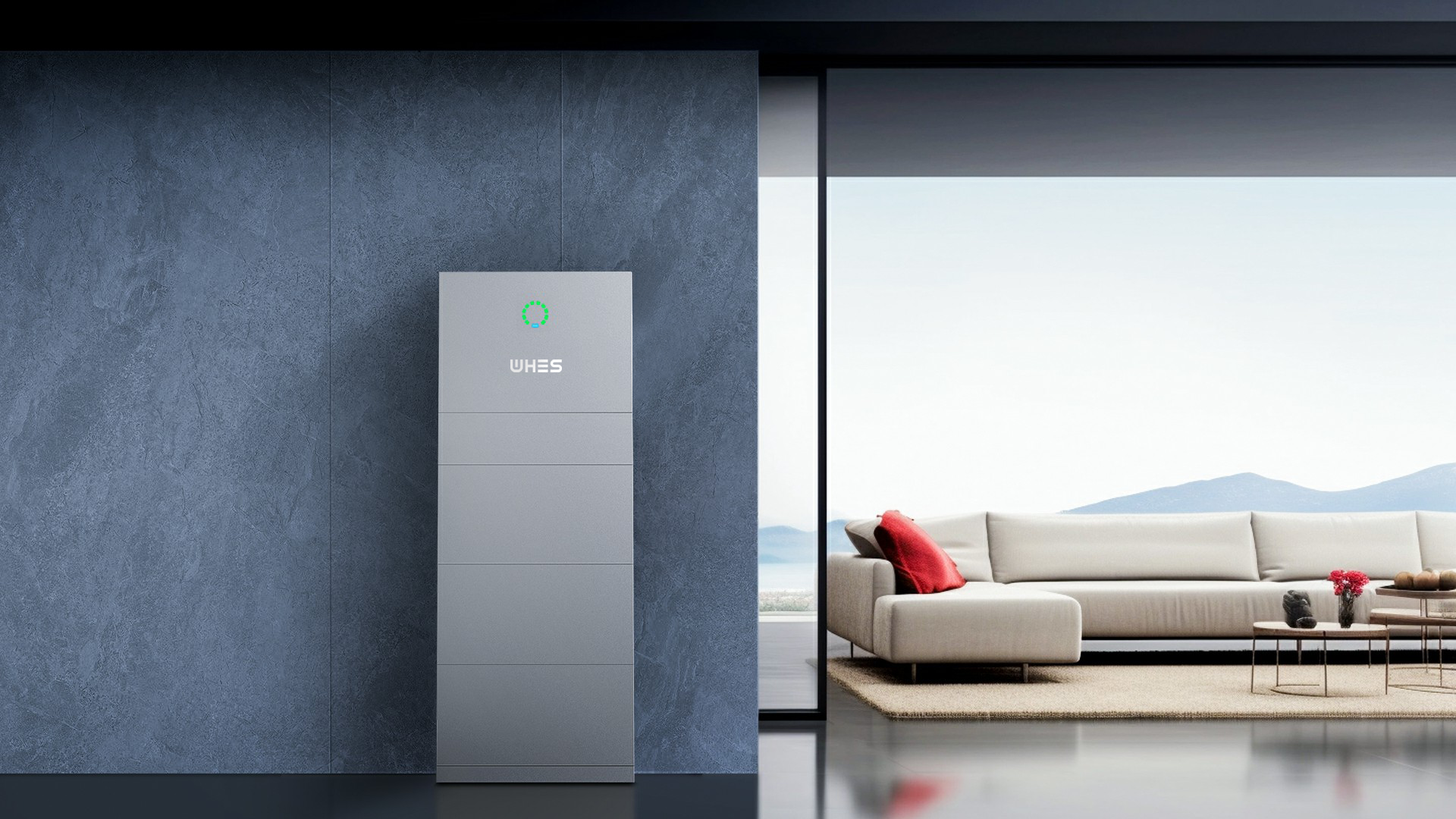
Bringing it together: what to expect and why WHES matters
When you compare vendors by these metrics, the differences become tangible: fewer commissioning incidents, predictable degradation, and clearer upgrade paths. WHES’s emphasis on cloud-backed HIL reduces ambiguity around firmware behavior and system interoperability, which is precisely the value C&I buyers need when moving from pilot to portfolio. Expect lower commissioning hours and fewer emergency field visits when validation is done right.
WHES provides the validation backbone many teams lack — practical proof that a system will behave in production. —