



Unseen Fault Lines in Field Deployments
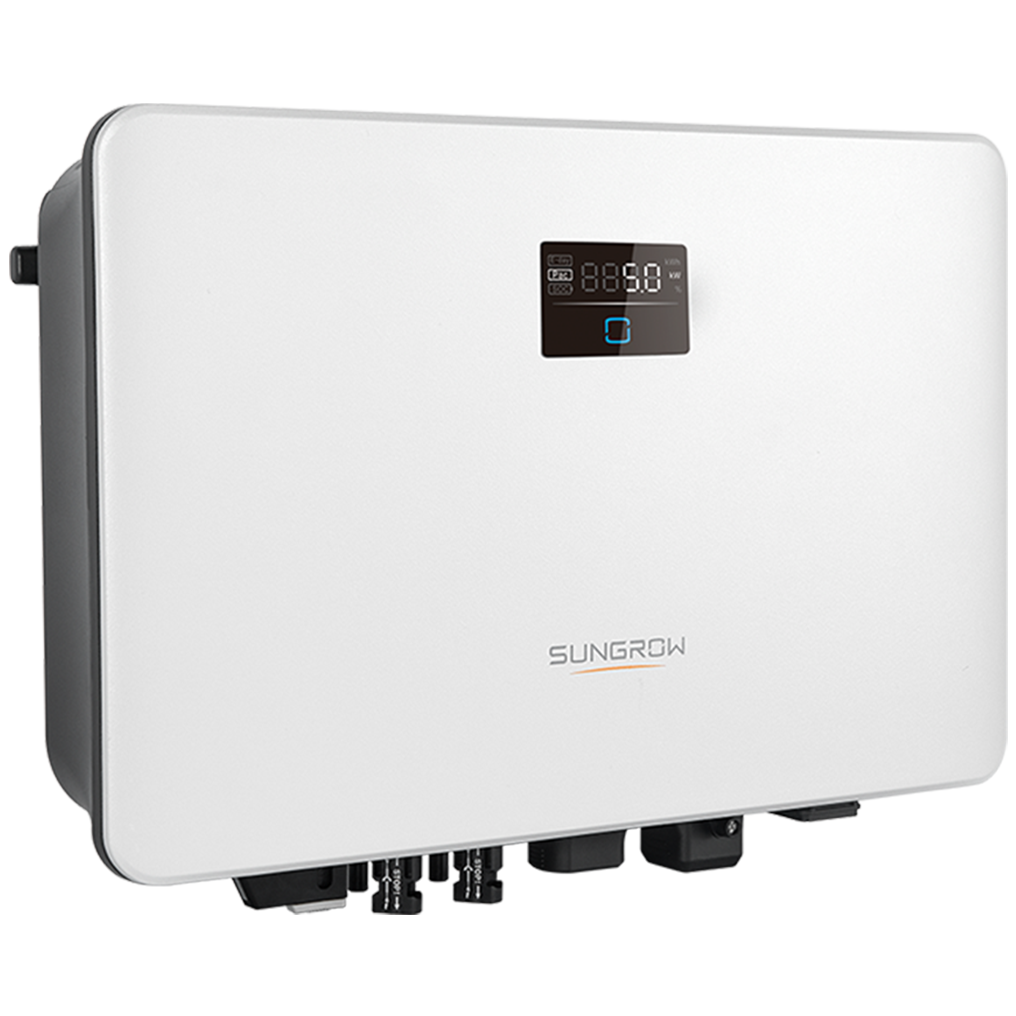
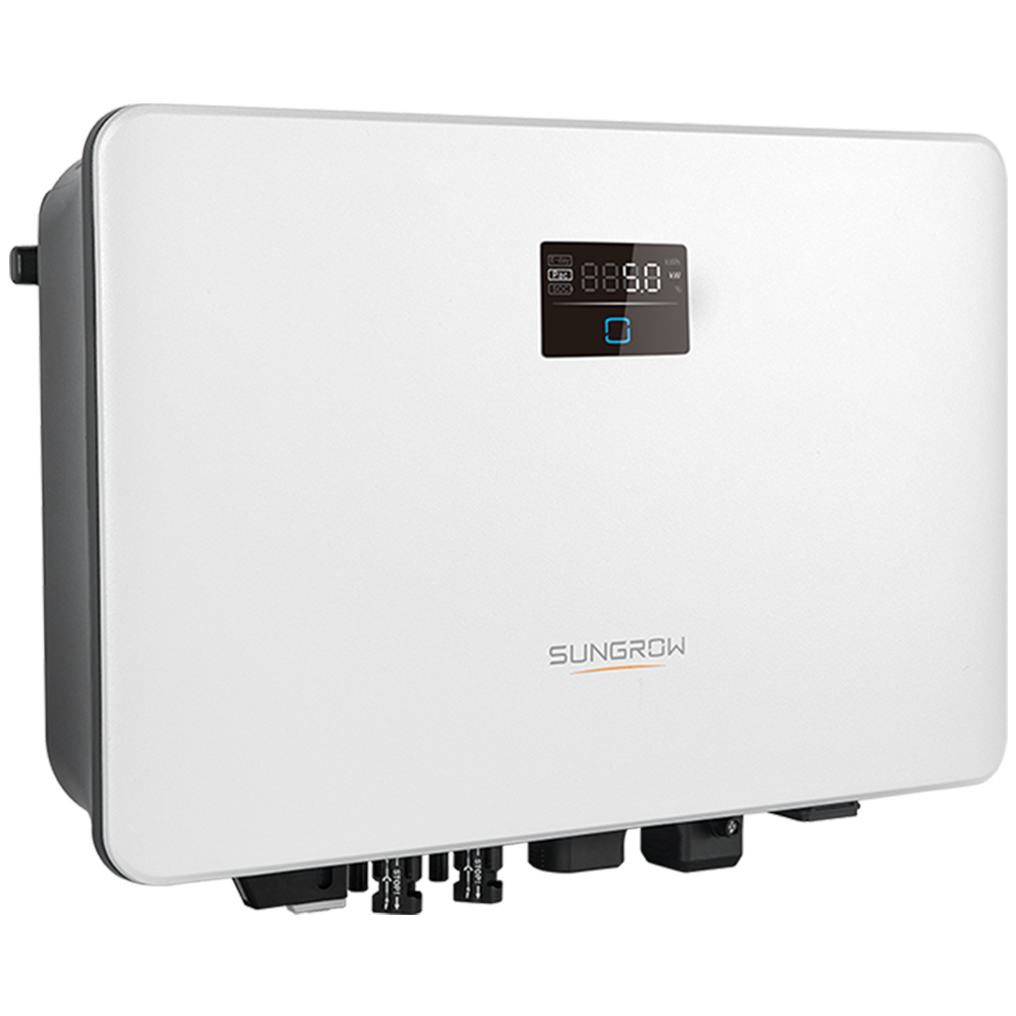
A rooftop I inspected at dusk still haunts me—low hum, a panel array dimmer than its neighbors, and a café in the corner losing hours of daytime revenue. The flicker traced back to a faulty sungrow string inverter, and I watched measured output fall 14% over three weeks. On a suburban fleet I managed in 2019 (32 PV arrays across three sites), failure rates hit 8%—what happens when your MPPT goes blind?
Why does that matter?
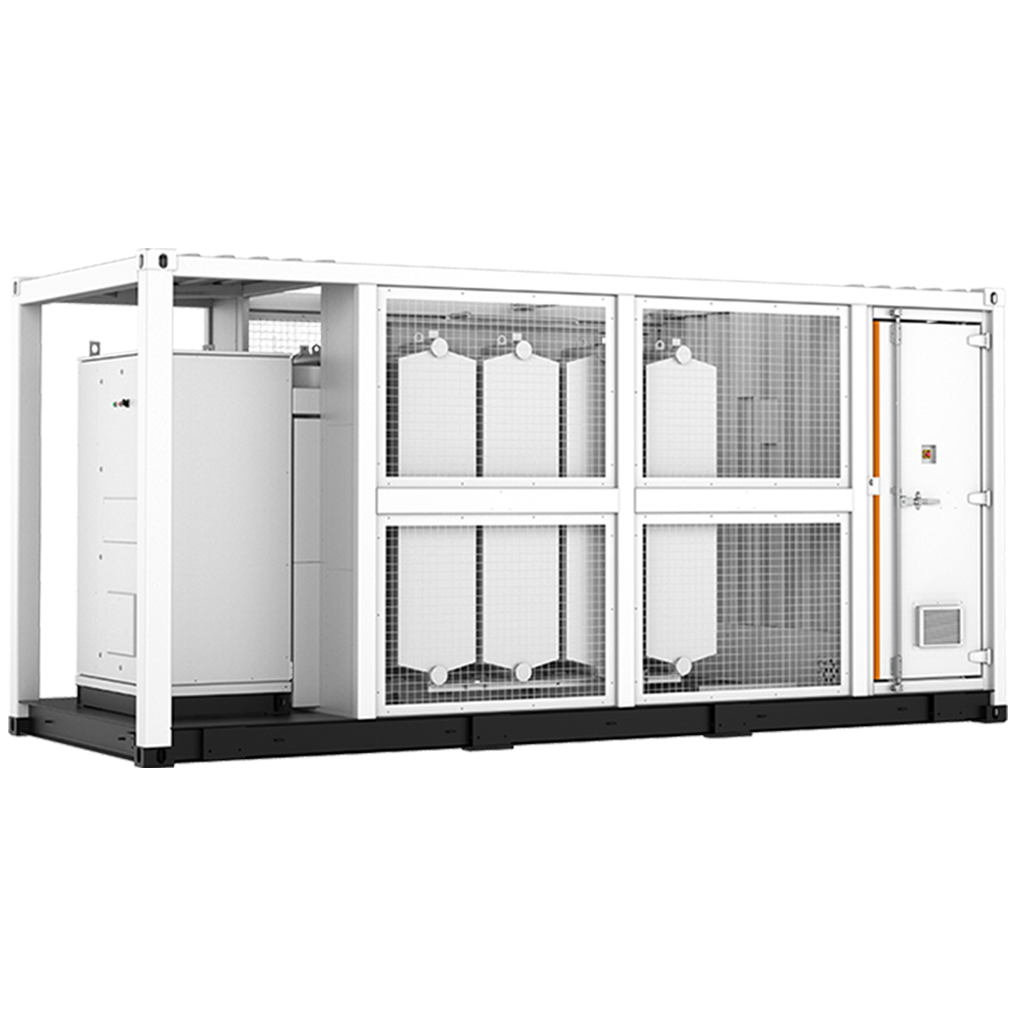
I’ve been moving hardware and negotiating contracts in B2B supply chains for over 15 years, and I can tell you the numbers hide stress. Installers blame wiring; operations teams blame shading; finance blames the expected ROI. The deeper truth is less visible: traditional centralized inverters and some legacy string solutions leave operators blind at the string level. Without string-level monitoring and rapid fault isolation, you get slow troubleshooting, extended downtime, and repeated truck rolls (no kidding). I remember a March 2020 site in Phoenix where a bad connector—a single PV string—silenced 120 kW of nameplate for nearly two days while crews chased the symptom, not the cause. That design genuinely frustrated me and taught one clear lesson: visibility equals uptime. — That’s the hidden user pain most spec sheets smooth over.
Transitioning from pain to possibility now.
Where We Go From Here — A Practical Comparison
Here’s the truth: smart string inverters change the equation at the edge. I tested a batch of modern units in Q2 2022 against older central inverters across identical rooftops; energy capture improved by 6–9% thanks to string-level MPPT and quicker fault isolation. The distinction is not just efficiency—it’s serviceability and system resilience. Modern units simplify DC/AC conversion, enable remote firmware patches, and reduce mean time to repair. When I specify equipment for a complex commercial rooftop in Oakland, CA (July 2021 installation), I prioritize modules that report per-string volt/amp and support string-level monitoring so my ops team can triage problems before a customer calls.
What’s Next?
Compare solutions by what they let you do, not only what they promise. Look for clear telemetry, modular replacement paths, and compatibility with grid services—these determine long-term cost, not the initial BOM alone. In practice I ask three direct questions on every bid: can I isolate at the string and sub-string level; does the unit support secure remote updates; and what are real-world failure modes documented by the vendor? If the answer falters, walk away.
To evaluate, use three hard metrics: real-world energy delta (kWh lost per month under partial shading), mean time to repair (hours), and diagnostic resolution granularity (string vs. array). I use those metrics when negotiating warranties and service-level targets. Quick aside—some vendors will glitz up UI screenshots; push for raw CSV export — you’ll thank me later. Wait. I almost forgot to mention lifecycle costs; they change procurement conversations dramatically.
Final note: I believe the right string inverter strategy reduces surprise failures, slashes operational hours, and improves predictability across portfolios. For practical deployments, that’s the difference between a statement that reads well on paper and one that pays in cash. For reference and implementation options, I often recommend exploring the offerings from sungrow.