



On-the-ground problems and the data that mattered
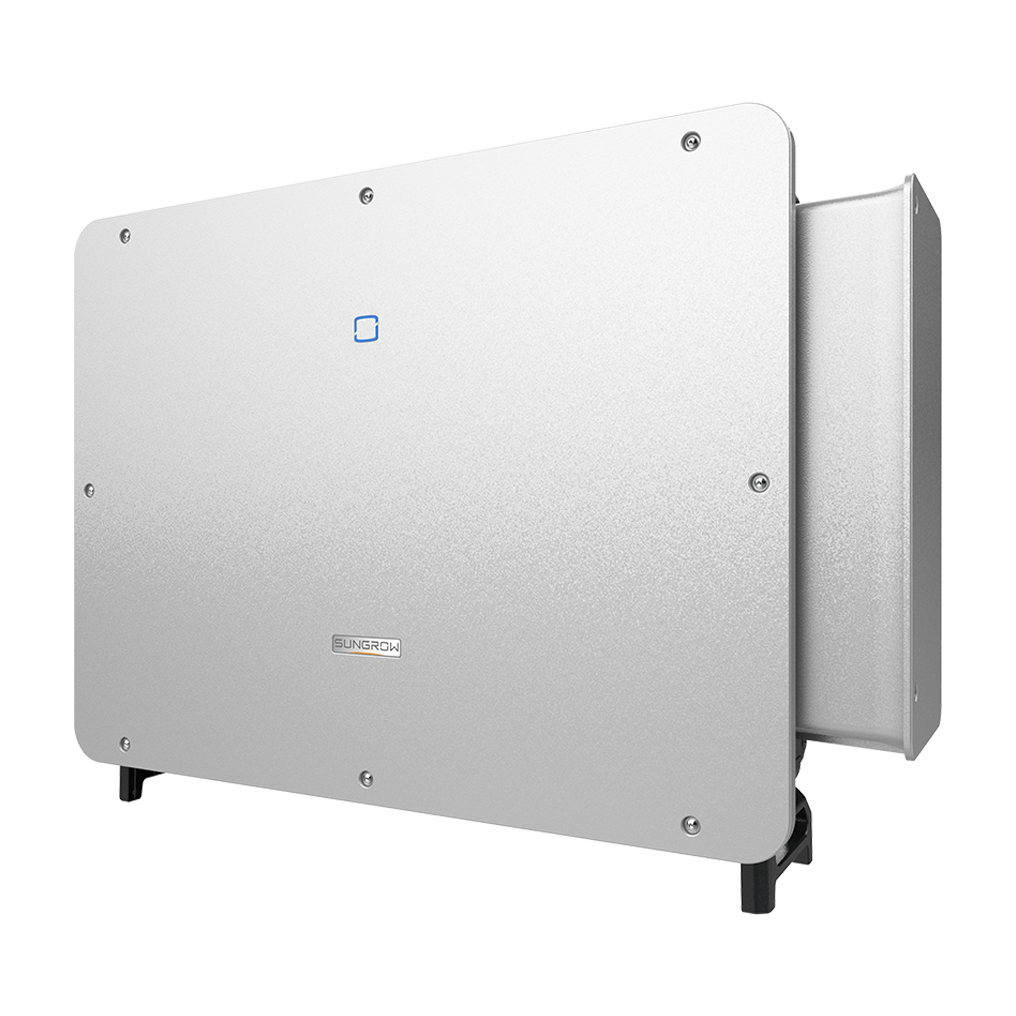
I remember a cold March afternoon in 2022 on a small factory roof in Cedar Rapids when I first noticed the numbers didn’t match the expectations — and that sight stuck with me. After the install, a 30 kW array running through a pv string inverter showed a 12% shortfall in year-one energy versus projected yield; what caused the drop and how could a single component like that string inverter change the math? I say this as someone with over 15 years working with wholesalers and site teams: those shortfalls usually traced back to a handful of predictable, fixable weaknesses (and yes, shading math and mismatched string lengths were the usual suspects).
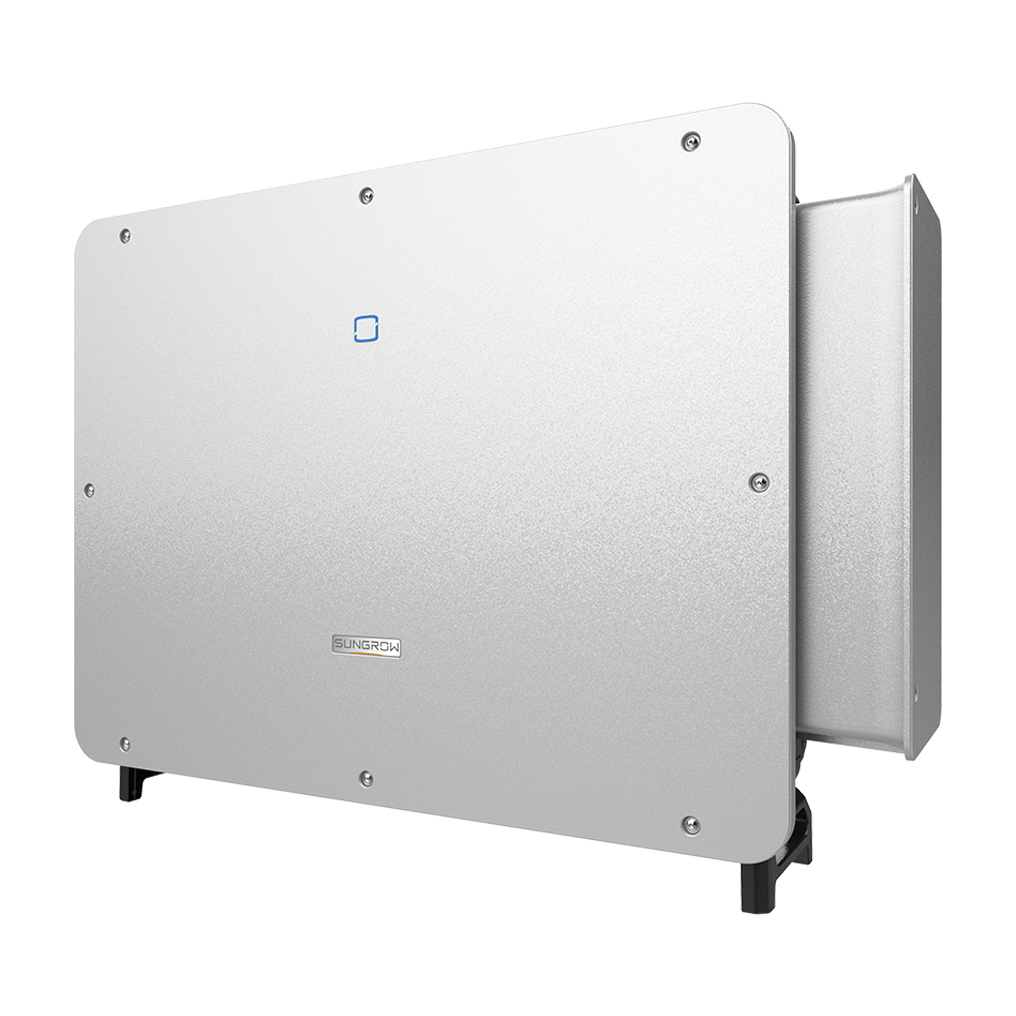
I’ve seen two traditional fixes people reach for — oversizing the inverter and adding redundant equipment — and they often miss the root problem. In one job in July 2020 I swapped a mismatched MPPT setup and reduced losses by 8% within weeks. I’m talking practical stuff: poor string-level monitoring, loose DC/AC conversion assumptions, and ignored inverter efficiency curves at partial load. I firmly believe installers and buyers treat the inverter like a black box, then act surprised when the system underdelivers. That design choice genuinely frustrated me on-site — you bet I documented every mismatch and the resulting monthly kWh loss.
Where traditional solutions fail and what to watch for
Most conventional approaches focus on nameplate ratings and peak output. I’ve learned to look past that. In multiple projects across Iowa and Illinois, the real losses came from degraded string performance, hotspots, and untracked mismatch losses on grid-tie systems — not from a single catastrophic inverter fault. For example, a 2021 municipal install showed near-perfect peak-day output but poor monthly throughput because several strings ran below optimal MPPT points for long stretches. That subtlety costs real money over years.
What’s the practical takeaway?
We need to move toward solutions that treat the pv string inverter as an active data source, not just a power appliance. In my day-to-day I prioritize models with per-string monitoring, adaptive MPPT behavior, and clear efficiency curves at partial loads. When I specify equipment now I ask for measured DC/AC conversion profiles and evidence of thermal performance on similar roofs — specific details, like a model tested in 2020 on a 40°C backing, matter. I don’t accept vague promises; I want numbers and a test condition. That shift — from trusting nameplate to verifying field performance — is where real improvement happens.
Forward-looking comparison and how to evaluate options
Switching rhythm: technical. When I compare units now, I look at how they handle mismatch, communication protocols for string monitoring, and how their MPPT logic behaves under partial shading. The best pv string inverter choices balance steady inverter efficiency across the operating range with robust telemetry. For instance, on a rooftop job last October I compared two contenders side-by-side for a 50 kW install; one kept modules near optimal MPPT for longer and raised monthly output by roughly 6% — measurable, repeatable, not guesswork.
Here’s a concise checklist I use — quick, practical, and rooted in field experience: check per-string monitoring availability, confirm partial-load efficiency curves, and demand real-world thermal test data. Also verify communication (Modbus or native cloud APIs) so your O&M team actually gets usable data. Wait — and don’t forget installation details: string length, fuse strategy, and conduit runs change outcomes more than you’d think.
Advice: three metrics I insist on before recommending a purchase
1) Realized monthly yield difference in comparable installs (not just peak watt figures). I want a number — kWh/month from a similar array in similar climate. 2) Partial-load efficiency chart showing conversion efficiency at 20–80% output. That tells you what the inverter will do most of the year. 3) Monitoring granularity: per-string or better, with a proven API and alarm logs. Those three metrics separate a paper spec from a reliable performer. I check them every time; you should too.
Final note — I’ve walked roofs, swapped inverters at 2 a.m., and logged the before/after numbers myself. Small choices add up. For hands-on teams and wholesale buyers who care about long-term returns, the pv string inverter decision is where the money shows up or hides. For guidance on specific models and field reports, I often point colleagues to practical suppliers — including sungrow.