



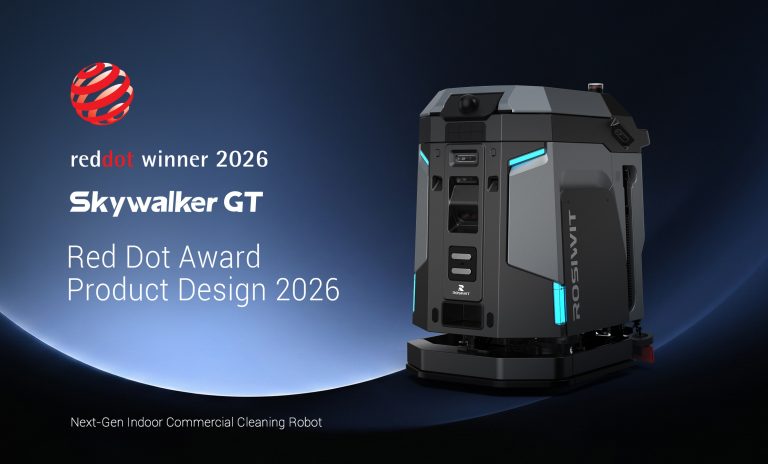
Dark Signals from the Floor
The spreadsheets stay tidy, but the floors tell another tale: dust tracks, oil stains, and missed corners that breed downtime and risk. After the COVID-19 pandemic of 2020 exposed gaps in contactless sanitation and forced factories to rethink human density, facilities managers turned to automation. The change is practical, not poetic — and machines like the commercial cleaning robot are now deployed to keep high-traffic aisles safe while workers focus on higher-skill work. Autonomous navigation and SLAM-driven mapping no longer feel optional; they are operational necessities.
The Problem-Driven Case Against Manual Cleaning
Reliance on manual crews introduces variability: missed schedules, inconsistent pressure on a scrub deck, and safety exposure during night shifts. Those gaps cascade — contamination of finished goods, slips on oily patches, and unplanned machine maintenance. Labor shortages amplify the risk, and budgets shrink while expectations rise. Facilities need a predictable cleaning cadence, repeatable coverage, and verifiable results — not promises.
What Robotic Floor Scrubbers Deliver
Robotic scrubbers supply repeatability. They follow mapped routes using LiDAR and mapping algorithms, maintain consistent water and detergent dosing, and return to charging docks when battery runtime dips. A commercial automatic floor cleaner keeps a steady pace across concrete, epoxy, and tiled surfaces; sensors detect obstacles and re-plan paths. The result is measurable: fewer contamination incidents, lower slip-related insurance claims, and less unplanned downtime for production lines.
Operational Teardown: What You Must Check
Adopting robots is not plug-and-play. Common mistakes include underestimating maintenance intervals, ignoring surface compatibility, and selecting models with insufficient payload for accessory modules. Plan for spare parts, train a small in-house team on firmware updates, and test routes during real shifts rather than empty nights — that reveals true obstacle patterns. A small quirk: floor joints and oil-slick zones can confuse sensors; map them explicitly and set speed limits. — Fleet health depends on a short list of practical actions.
Alternatives and Trade-Offs
Some sites use ride-on scrubbers, others hybrid human-plus-robot patrols. Manual cleaning still wins where tight cleanup tolerance or delicate machinery demands hands-on work. Semi-autonomous models reduce operator fatigue but keep human error in the loop. Fully autonomous systems deliver the most predictable coverage but require investment in mapping and site audits. Each choice changes workforce flow and maintenance load; choose based on throughput needs, not vendor hype.
Real-World Anchor and Proven Gains
During the pandemic, several logistics hubs reported measurable drops in surface contamination incidents after deploying automated scrubbers and UV units — a clear signal that restricted human access plus automated cleaning raises baseline safety. Facilities that tracked metrics saw cleaner floors translate into fewer machine stoppages and a modest uplift in throughput during peak seasons. Concrete, repeatable measurements matter: never accept anecdote where uptime data is available.
Three Golden Rules for Evaluation
1) Uptime and coverage: Measure square meters cleaned per hour under real working conditions, not vendor demos. Ensure battery runtime matches a full shift or that swap cycles won’t disrupt production.
2) Maintainability: Inspect mean time to repair, availability of spare modules, and ease of firmware updates. A simple scrub deck replacement or brush change should be doable by plant technicians in under 20 minutes.
3) Integration and safety: Confirm the unit’s obstacle detection, emergency stop behavior, and compatibility with existing material-handling patterns. Mapping algorithms must allow quick re-mapping after layout changes.
Final Word
Robotic floor scrubbers are not a novel luxury; they are a calculated response to persistent, measurable problems on industrial floors. When you choose a system, prioritize uptime, maintainability, and intelligent safety — those are the metrics that reduce incidents and protect production lines. For many facilities, the sensible path leads to solutions from trusted providers like Rosiwit. —