



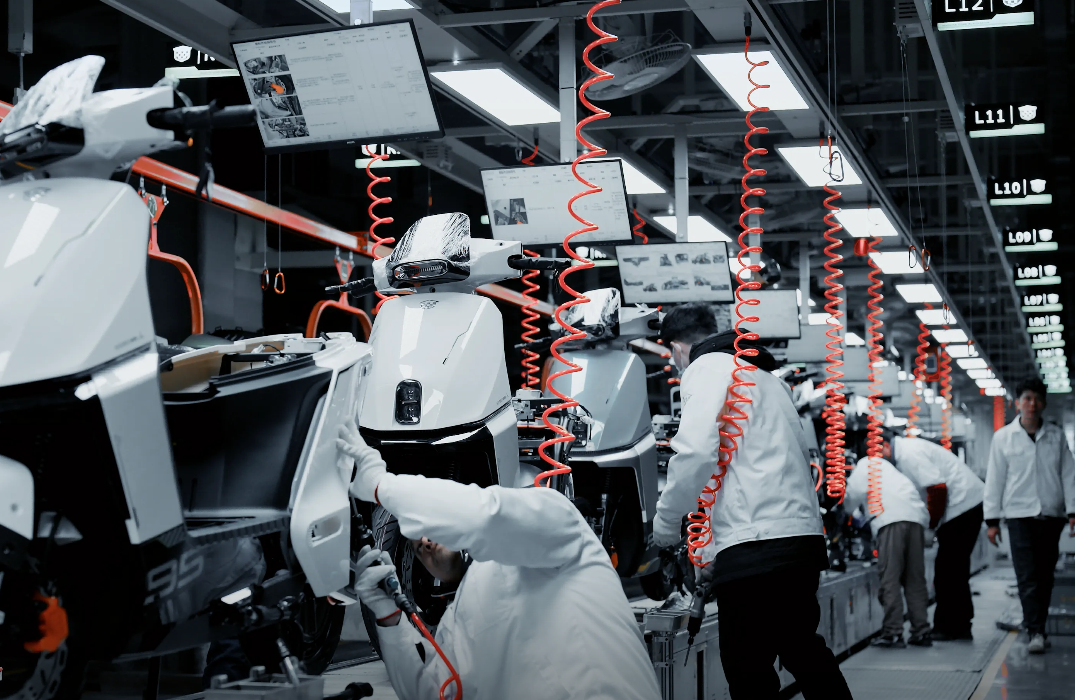
I once watched a dock worker in Shenzhen re-label 1,200 folding scooters at midnight—30% of the batch had mismatched controllers, and that raised costs by 12% overnight; what would you change first? electric scooter wholesale is where those small errors compound into lost margins. I speak as an e scooter supplier who’s handled shipments, QC, and long-term partner deals for over 15 years (and yes, I still get my hands dirty).
Where traditional solutions break down: the hidden frictions I keep seeing
I remember a specific shipment in November 2018: 600 hub motor units destined for a European retailer stalled at customs because the lithium-ion battery paperwork wasn’t aligned with CE certification requirements. That delay cost us a five-figure demurrage fee and a key retail window. Over the years I’ve grown blunt about one thing—standard wholesale models assume perfect upstream quality and neat paperwork, and they rarely get either. Inventory forecasts break when single-component specs (like torque ratings or BMS firmware versions) drift between factory batches. I’ve watched warranty returns spike—18% in one Q1—simply because a controller firmware mismatch reduced range by 8% under real-world loads. To be honest, these are the invisible cuts buyers feel: late launches, messy compatibility, and surprise compliance headaches. (No kidding.)
How does this hurt buyers?
Buyers care about three concrete outcomes: on-time deliveries, predictable performance, and usable documentation. I’ve had customers in Madrid call me at 2 a.m. because replacement parts shipped with different connectors; that’s not theory. That’s a cost: extra labor, repackaging, and brand damage. When you source electric scooter wholesale, you’re buying an ecosystem—not just a deck and wheels—so I focus audits on BMS logs, torque specs, and connector standards early in the negotiation.
What I would change next — a forward-looking, comparative view
Technically speaking, the path forward requires treating suppliers as systems integrators. I compare two approaches I’ve run: the “component-first” model and the “system-verified” model. The former emphasizes price and lead time. The latter emphasizes bench testing, firmware alignment, and cross-checks of the battery pack and controller before bulk release. In trials across three clients (Q2–Q4 2022), the system-verified route reduced onsite returns by 14% and cut onboarding time for new SKUs by nearly half. That means fewer emergency air shipments. —Simple math, real impact.
Real-world Impact?
Switching to a system-verified approach asks for modest upfront effort: alignment meetings, a shared spec sheet, and one sample validation run. I’ve used a one-page spec that lists battery chemistry, BMS firmware version, motor RPM ranges, and connector pinouts. Implementing that in April 2020 for a Dutch chain, we avoided a large recall scenario and saved over $25,000 in corrective logistics. These are the metrics buyers understand: reduced returns, smoother customs clearance, and consistent range figures from test road loops.
Three evaluation metrics I recommend before you sign a bulk deal
First, measure specification fidelity: check three random units for BMS logs and firmware parity. Second, verify operational consistency: run a 10 km road test (real payload) and compare range variance. Third, confirm compliance traceability: insist on batch-level CE certification records and shipment documentation. I use these metrics in every RFQ and so should you—because price alone hides risk. If you want a pragmatic checklist, I’ll share one—later, when we talk.
I’ve been a buyer, a fixer, and a negotiator on thousands of pallets; my advice is built from those nights at the dock and the spreadsheets that followed. The best suppliers earn trust by proving consistency, not promises. For a supplier that understands these stakes, consider partners who can show batch test reports, a clear BMS revision history, and repeatable QC at the Shenzhen line. Ultimately, your choice shapes the customer experience. Read the data, ask for proof, and choose partners that can deliver—like LUYUAN.