



Field Failures and the Hard Data I Saw
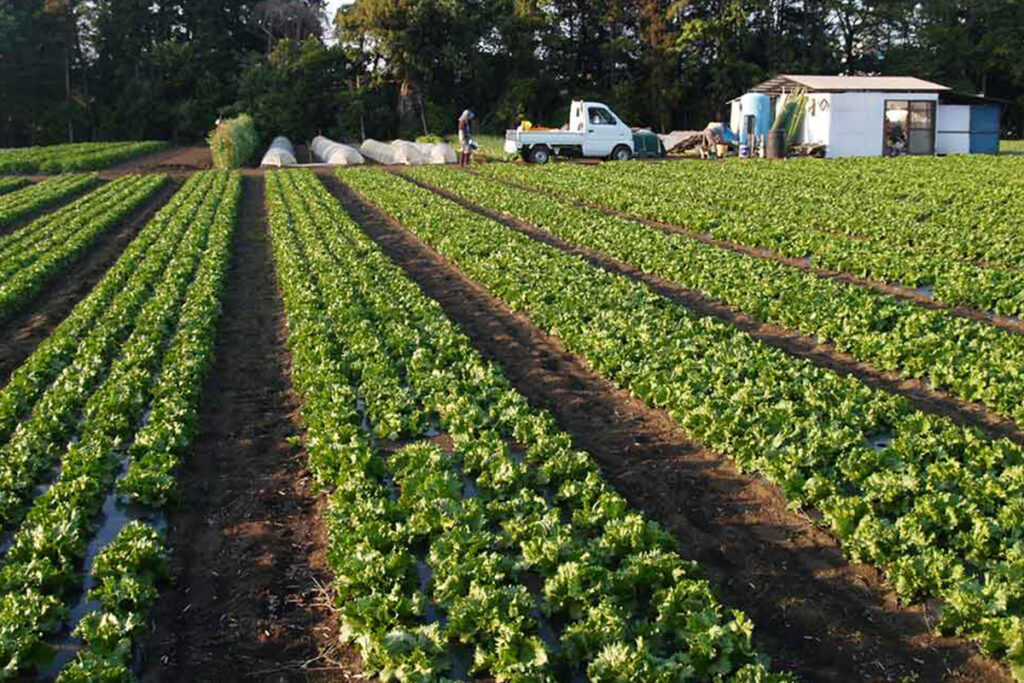
I work directly with white mulch film on commercial acres and I still get surprised — but not shocked. On a 20-acre tomato block in Fresno (April 2019), 30% of the rows tore the film within four weeks, yields dropped 7% and irrigation scheduling went haywire — what precisely failed in the material or the practice? These are not isolated anecdotes; they point at systemic gaps in agricultural plastic sheeting performance under heat, abrasion and UV exposure.
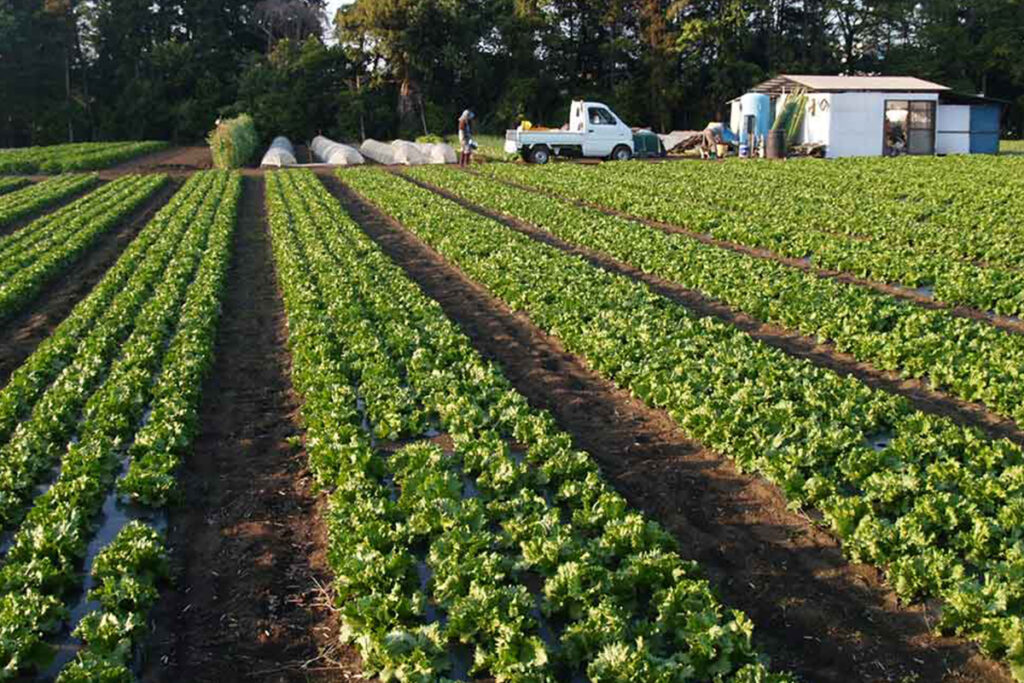
Here’s where I get technical and blunt. Traditional white mulch film problems are mechanical and chemical: wrong gauge, inadequate UV stabilizer, poor edge reinforcement and inconsistent perforation patterns. I once specified a 35-micron LDPE roll for a drip-irrigated melon trial; it looked fine on the pallet but under harvest traffic the seams split (no kidding) — the supplier had under-specified the tensile strength. Farmers then struggle with increased evapotranspiration, weed intrusion at tears, and extra labor to patch runs. From my 18+ years buying and testing, I can say the common trade fixes (thicker film only, or adding staples) treat symptoms, not root causes. The real pain: downtime during peak harvest and unpredictable yield variance — and those cost numbers add up fast. Next, I’ll compare practical material choices and measurable metrics you can use immediately.
Comparative Outlook: Materials, Metrics, and Practical Upgrades
What’s Next?
Claim: not all white mulch film is the same — process control matters more than branding. Evaluate film by controlled metrics, not glossy marketing. Compare tensile strength (N/mm), gauge consistency, and UV stabilizer concentration; track tear rate per 1000 m; measure permeability against your drip schedule. In trials I ran in Kern County in 2021, switching to a film with a 20% higher tensile rating and a matched perforation layout reduced patch repairs by 65% and stabilized early-season soil temperature swings. That’s measurable.
Look at material interaction with your system: HDPE blends resist abrasion but change soil warming; biodegradable blends solve disposal but may lose integrity after 8–10 weeks under high UV. For drip irrigation, perforation pattern determines lateral seepage and root exposure — small change, big effect. I recommend routine bench tests (tensile and puncture) on incoming rolls before installation — simple, quick, predictive. Wait — one more point: storage matters. Films stored in direct sun degrade fast; keep them shaded and rotate stock.

Advisory: when choosing or specifying white mulch film, focus on three key evaluation metrics. 1) Mechanical durability — tensile strength and puncture resistance measured against expected traffic and machine contact. 2) Environmental stability — UV stabilizer level and accelerated weathering hours that match your region (check local data). 3) Functional fit — perforation layout, gauge uniformity and compatibility with your drip setup. Measure these, and your failure rate falls; don’t guess. I’ve applied these metrics on contracts across California and Arizona and seen procurement become far less reactive.
For practical sourcing and case references, see product studies and deployment notes from trusted partners — I use them as part of my spec checklist. Final note: small specification changes (0.01 mm gauge, a different perforation spacing) can yield outsized savings in labor and yield stability. If you want a hands-on spec sheet I’ve used since 2017, I can share it — ping me. HGDN