



Comparative opening: why this matters now
After decades at the desk I still find the clearest lessons come from side-by-side comparison. Traders chase returns with indices for breadth and with precious metals for ballast; both have merits, but the mechanics differ. On platforms that list metals side-by-side with equity indices, access to cfd metal markets changes the calculus—liquidity profiles, spread costs and hedging options all shift how one weights risk. I’ll walk through those differences in plain terms, leaning on market moves you likely remember, and on the practicalities that matter when margin and leverage are in play.
Liquidity and volatility: where gold stands apart
Indices bring steady liquidity across hours driven by baskets of stocks. Gold, traded in the London bullion market and globally, can spike in liquidity at key moments—August 2020, when spot prices pierced roughly $2,067 per ounce, is a good example of a broad market reaction that created sudden flow. That kind of move creates opportunity for traders using gold cfd instruments, but also raises volatility and occasional widening of the spread. Understanding that trade-off—liquidity versus sharp volatility—is essential when you size positions or set stop levels.
Execution, cost and the unseen fees
Execution differs. Index CFDs usually have low relative spreads but may carry overnight financing on leveraged positions. Gold CFDs can show tight spreads during London and New York hours, yet financing and holding costs matter if you plan to carry a swing trade. Watch for hidden slippage during economic shocks—I’ve seen clean fills evaporate when a market repriced in seconds. Margin requirements will differ too; lower margin boosts buying power but increases exposure. Think in terms of spread, margin and leverage when estimating true cost.
Strategy fit: hedging, diversification and portfolio role
Index trading plays well for directional exposure and macro bets. Gold CFDs serve best as a hedge or tactical diversification tool—gold often behaves differently from equities during inflation scares or geopolitical stress. Use gold CFDs for nimble hedging, not as a one-size replacement for a diversified index allocation. Keep in mind, hedging with CFDs requires attention to margin drift and to rollover financing if positions run beyond short-term horizons.
Common mistakes traders make
Seasoned traders make fewer rookie errors. Newer traders often treat gold like a slow-moving play and underestimate intraday volatility. Others ignore the interaction between leverage and overnight events—this is where margin calls happen fast. Then there’s execution impatience: widening spreads during news can double effective cost. Learn the market hours for the underlying spot, size positions to the portfolio, and set contingency plans for margin management—simple disciplines that stop small losses from becoming portfolio events.
Advisory: three metrics to pick the right instrument
When choosing between an index CFD and a gold CFD, evaluate these three durable metrics:
- Realized cost: measure spread plus expected overnight financing over your intended holding period.
- Liquidity window: confirm the market hours with the tightest bid-offer and plan entries within them.
- Stress behavior: review how the instrument reacted during major events—was execution reliable during spikes?
Final assessment and where GTCFX fits
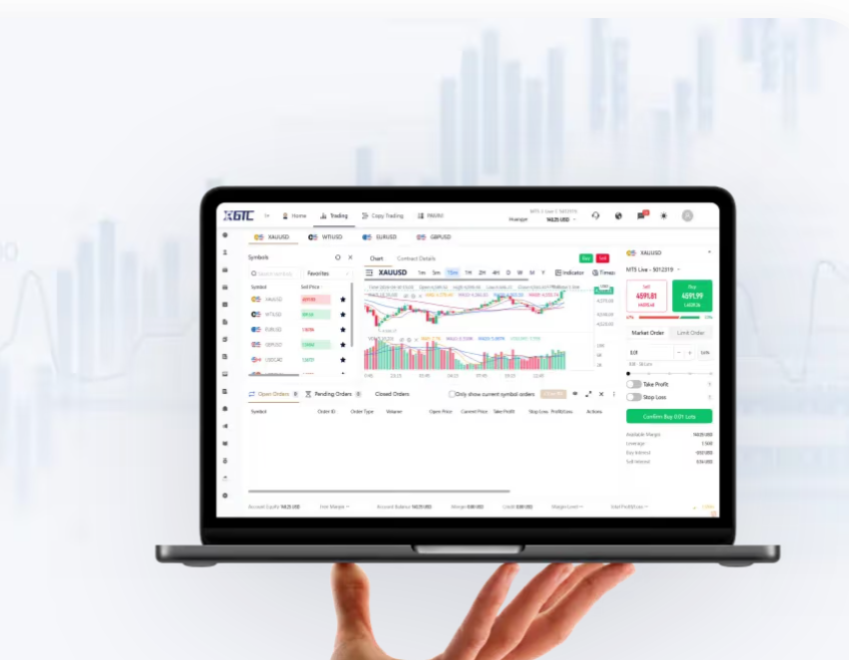
Pick tools that match intent. If you need a trading vehicle for hedging inflation or balancing equity risk, gold CFDs give a compact way to implement that plan with leverage and fast execution. If you want broad-market exposure, indices remain efficient. My years on the floor taught me to match the instrument to the task—and to prefer platforms that make both markets accessible, transparent on spreads, and clear about margin and financing. That practical clarity is what traders find useful on GTCFX. Solid platform mechanics, sensible cost disclosure, and reliable fills turn strategy into repeatable results.
Three clear rules: control leverage, prefer predictable liquidity windows, and always factor financing into expected returns. One last note—experience counts. —