



Introduction — a short scene, then the facts
I remember a damp morning at the docks in Guangzhou, where cartons of molded fiber sat in neat rows and the inspector’s lamp cut through the mist. In that very inspection I was checking a shipment that a bamboo disposable plates manufacturer had promised would meet food-contact and compostability claims. Market data since 2017 shows single-use plant-fiber goods growing by double digits in many regions (roughly 12–15% annual growth in some wholesale channels), and yet complaints about heat failure and delamination have risen too. What then causes the mismatch between demand and dependable product? — a pressing, practical question that frames what follows.
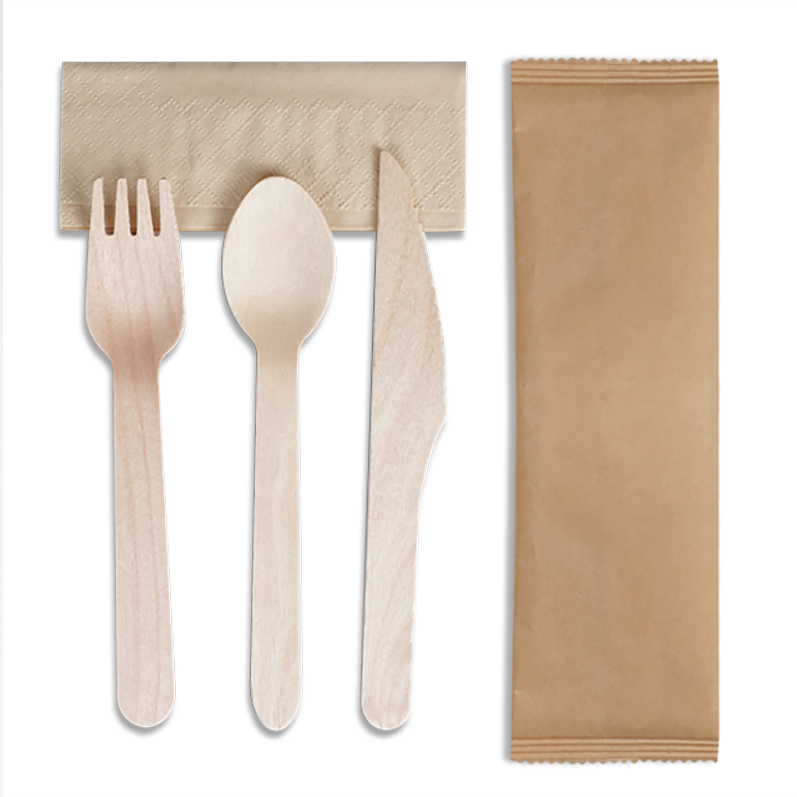
My view is shaped by over 15 years in B2B supply chain work, often handling orders for restaurant groups and wholesale buyers. I will sketch the root problems, then look at design fixes and procurement checks that actually cut risk. The next section digs into the less visible faults of wooden tableware and why they matter.
Part 2 — Hidden flaws in wooden tableware that buyers miss
wooden tableware often arrives with attractive specs on the label: compostable, grease-resistant, and microwave-safe. I’ll be blunt: the label alone rarely tells the full story. In 2019 I received a batch of molded pulp dinner plates (48,000 units, shipped from Guangdong) that passed visual inspection but failed basic heat-resistance checks during a quick on-site test. The problems were not cosmetic but structural—poor pulp refining, inconsistent fiber content, and inadequate PLA coating in places. These cause early softening and leakage under hot gravy; a restaurant manager in Boston reported 220 customer complaints over one weekend after using similar plates — odd, but true.

What defects are most common?
Technically, failures fall into three categories: weak bonding (pulp thermoforming flaws), incomplete barrier application (PLA or wax coating gaps), and uneven thickness from the mold cavity. Industry terms here matter: molded pulp, PLA coating, compostability, and heat resistance are not marketing words — they are measurable properties. I once documented a 6% delamination rate on one production run after a routine ASTM-style soak-and-heat test. That figure translated to real cost: reorders, returns, and damaged reputation for the buyer. Look, these are avoidable if you check raw pulp specs, cycle times on the thermoforming line, and verify food-contact compliance (FDA or GB 4806 where relevant).
Part 3 — Case examples and a forward-looking checklist
Real-world case: in March 2018 I worked with a cafe chain in Shanghai that switched suppliers after three months of intermittent failures in bagasse bowls. We changed to a manufacturer who specified tighter pulp refining (lower ash content), added a consistent PLA barrier, and ran routine biodegradation trials. Within two months the cafe noted a reduction in tray drops and complaints; their takeaway orders held up to steam soups for at least 20 minutes without seepage. This was not magic — just disciplined QC on pulp blends and thermoforming cycle control. The supplier logged moisture-content stats for every batch; that simple metric cut defect rates by half.
What’s next for procurement and product design?
Look ahead: buyers should ask suppliers for verifiable test results (heat-resistance times, compostability lab certificates like ASTM D6400 or EN 13432 where applicable), production photos of mold cavities, and a sample retention policy. I suggest three evaluation metrics you can use immediately: 1) batch failure rate under a 90°C soak test (expressed as a percentage), 2) measured PLA or wax coating uniformity (microns across the sample), and 3) documented shelf-life and storage recommendations from the mill. Use these to compare bids—practical, measurable, and supplier-accountable. I will add one last note: unexpected things happen in transit — humidity spikes, long storage, etc. — so insist on condition reporting at arrival, not just at dispatch.
Summing up, I stand by a practical posture formed over many years handling large orders and tight deadlines. If you are a wholesale buyer or restaurant manager, demand specific test numbers, insist on sample retention, and check thermoforming process details before signing long contracts. These steps reduce risk, save money, and keep service steady. For sourcing and direct manufacturer contact, consider checking resources like MEITU Industry for supplier data and product pages that list technical specifications.