



Introduction: a shop-floor moment, some numbers, and a question
I still remember the late-night run when a part refused to meet tolerance and everyone in the shop went quiet—frustrating, but telling. In that moment I thought about how DMG MORI, Makino, Matsuura, Hurco and Okuma all promise precision yet deliver different trade-offs (small-town wisdom meets global tech). Industry data shows five-axis uptake climbing double digits year over year, and cycle-time demands are squeezing shops harder than ever. So here’s the question I keep asking clients: how do you pick the machine that actually matches your mix of parts, not just the glossy spec sheet? Let’s walk through some practical comparisons and the real levers that matter—no fluff, just what I’ve seen work on the floor.
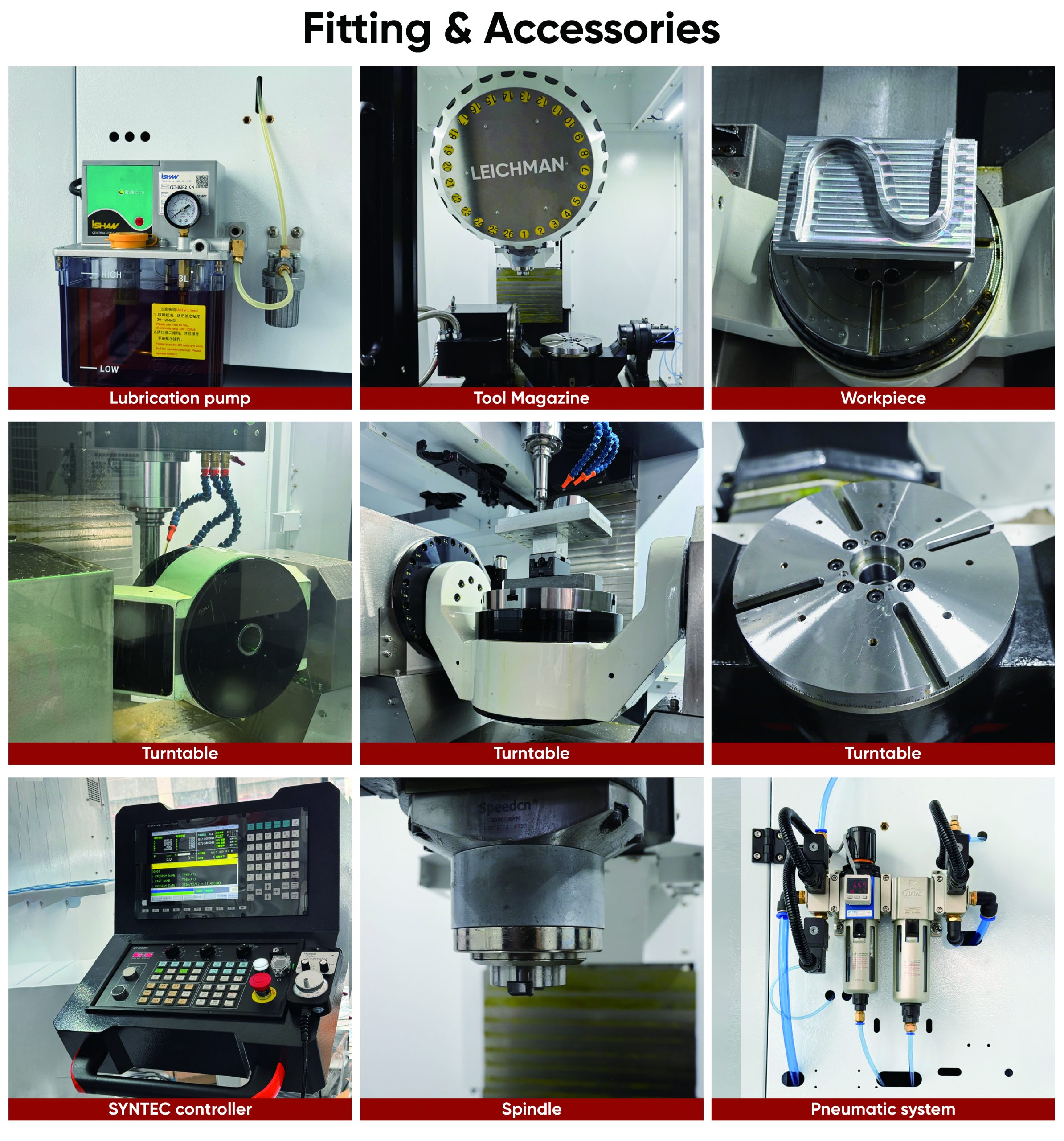
Why traditional high speed machining center setups still miss the mark
When we talk about a high speed machining center, I like to strip it down to core behaviors: spindle dynamics, thermal drift, and tooling strategy. Too often vendors sell top spindle speed and aggressive tool lists as the solution, but that ignores thermal stability and chatter control—two silent killers of repeatability. In my experience, shops chasing rpm alone run into surface finish issues and shortened tool life faster than they expect. Look, it’s simpler than you think: without balanced spindle torque and a calibrated automatic tool changer, your cycle times won’t translate into better throughput.
Technically speaking, traditional designs often rely on heavier axes and larger ball screws to mask vibration. That increases inertia and limits acceleration—so the machine can spin fast but can’t accelerate between cuts without losing time. I’ve seen setups where cutting forces overload servo motors during cornering because linear guideways weren’t matched to the control strategy. The result is chatter, torn edges, and parts that need rework. — funny how that works, right? What’s maddening is that most of these faults show up only after a full production run, not during the demo. If you want a readable, reliable indicator, track torque spikes and axis settling time rather than just advertised rpm.
So what’s the hidden user pain?
Users tell me they buy based on cycle-time claims and feel betrayed when their actual throughput lags. The hidden pain points are: inconsistent surface quality, excessive tool change downtime, and unpredictable maintenance windows. These are not glamorous problems, but they sink margins. I recommend checking for control-loop tuning, spindle bearing cooling, and available diagnostics before signing the order. That triad often predicts real-world performance better than any glossy brochure.
What’s next: principles for next-gen 5 axis high speed machining
Moving forward I focus on three principles that separate promising machines from the rest. First: integrated dynamics — that means a matched package of spindle, servo motors, and control algorithms designed for rapid acceleration without introducing chatter. Second: thermal management — active cooling and thermal compensation in the control to reduce drift during long runs. Third: smarter toolpath planning that leverages high acceleration without overstressing the mechanics. When you combine these, you move from raw rpm to usable speed. For those evaluating new buys, consider how the manufacturer supports CAD/CAM post-processors and in-process probing; these details shape cycle-time gains more than a slight spindle upgrade.
On the practical side, I’m excited by emerging sensor fusion and edge analytics that watch spindle vibration and predict bearing wear before a crash. Developments in adaptive feed control—where the controller adjusts feed and spindle rpm in real time—are also promising for complex aerospace parts. I’ve run small trials and seen scrap rates drop noticeably when adaptive strategies were tuned properly—real savings, not just marketing. — and yes, implementation takes effort, but it pays off.
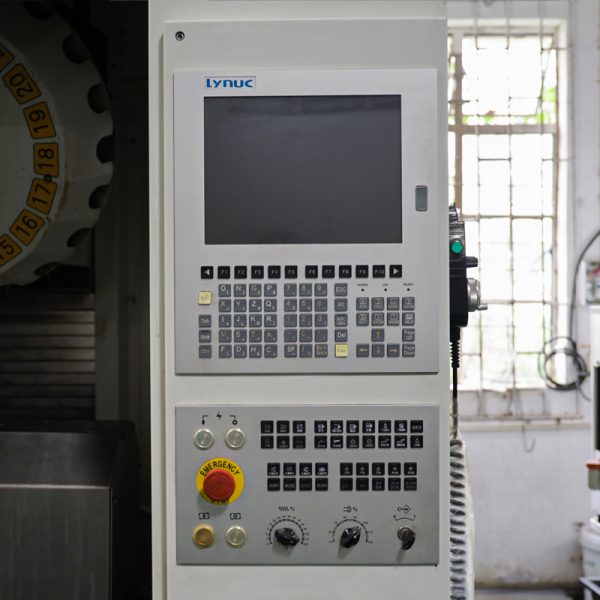
Real-world impact — what should you measure?
Here are three concrete evaluation metrics I give clients when they’re choosing between manufacturers: 1) Effective cycle time for a canned aerospace contour (not just single-step rpm claims); 2) Mean time between corrective maintenance for spindles and bearings under production loads; 3) Material removal rate at target surface finish (so you measure both speed and quality). Use those and you’ll get closer to the machine that fits your shop, not just the one with the flashiest spec sheet.
To wrap up, I’ve learned that sensible comparisons beat hype every time. Match dynamics to your parts, demand thermal data, and insist on proof of tooling workflows in real jobs. That approach helped several shops I work with reduce rework and cut lead times—measurable wins that matter to the bottom line. For further reference and equipment options, check out Leichman. I’ll be around if you want to talk specifics—I’ll bring the shop stories, you bring the parts list.