



Introduction — A Simple Question That Matters
Have you ever stood in a dim barn at dawn and wondered why the animals (and your team) move slower than they should? In many operations, commercial led barn lights are treated like afterthoughts—installed, forgotten, and blamed only when something breaks. Data shows farms that upgrade to efficient lighting often see better animal activity and lower energy bills within months. So why do so many facilities still rely on tired fixtures and mismatched controls? I’ll walk you through a clear scenario, share useful numbers, and help you decide what to check first — step by step.

Where Traditional Barn Lighting Falls Short
livestock barn lighting has long relied on high-pressure sodium or basic fluorescents. Those technologies were workhorses, but they bring real problems: uneven light, poor color rendering, long warm-up times, and heat waste. I’ve seen barns where shadows hide feeders or where workers strain to read labels at night. From my view, the main faults are not just the bulbs themselves but the system design—wiring that can’t support dimming drivers, fixtures with low lumen efficacy, and power converters that fail in wet, dusty conditions. These are not small annoyances; they affect animal behavior, staff safety, and the bottom line.
Why does that happen?
First, many retrofit projects focus on lamp swap only. Replace a bulb and call it done. But light quality depends on color temperature and CRI, fixture placement, and the control logic. Second, controls are often tacked on later—motion sensors that don’t talk to central schedules, or manual overrides that override efficiency. Look, it’s simpler than you think: treat the system as one piece. I’ve watched farms cut utility bills but still struggle with animal stress because someone ignored flicker and uniformity. When you audit a barn, test three things: lumen distribution, control responsiveness, and electrical compatibility (especially with existing power converters and dimming drivers). That trio often tells the real story.
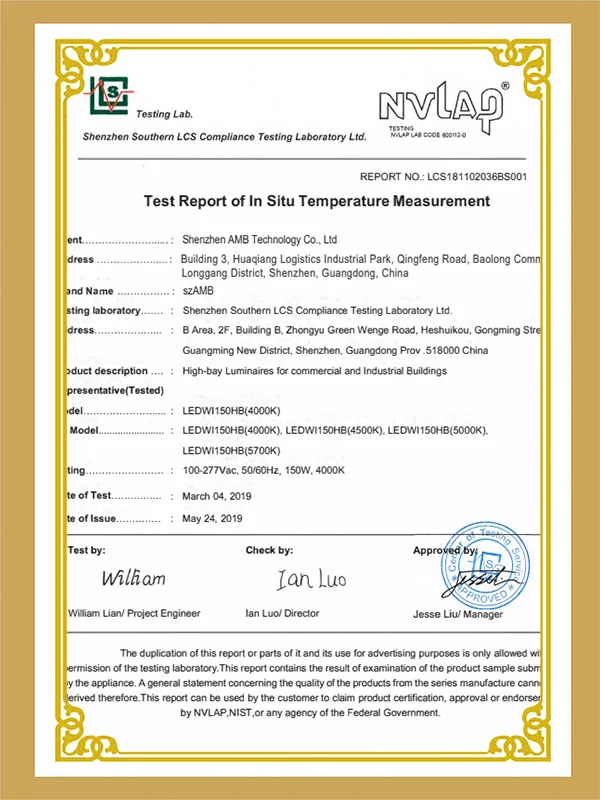
New Technology Principles: Moving Forward with Intent
Now let’s shift to solutions. I want to explain the principles I trust when advising clients on new installations. Modern LED systems give us control—precise dimming, tunable color, and integration with building controls. The trick is to design around behavior: match light levels to animal cycles, avoid stark transitions, and use zoned control so you don’t light unused areas. I recommend modular fixtures with sealed housings and reliable drivers. Also, integrate simple automation—schedules or daylight harvesting—so the system supports daily workflows rather than disrupts them.
What’s Next?
For a practical rollout, start small: pilot a stall row or one feed area with sensors and a local controller. Measure animal activity, staff feedback, and energy use for a month. Then scale. In the near term, smart LEDs can tie into farm management platforms; in the future, edge computing nodes may let on-site analytics tweak lighting by hour and behavior. — funny how that works, right? The key metrics I always share are: delivered lux where animals are, system uptime (no dark spots), and energy per square foot. Those numbers tell you both performance and payback.
I’ve worked on projects where a modest control upgrade cut stress indicators in livestock and reduced night-time incidents. If you evaluate options with those three metrics and focus on holistic design, you’ll avoid the common traps of piecemeal retrofits. For practical, tested products and support, I lean on partners who understand both hardware and operations—so you get fixtures that last and controls that make sense. For more on tailored solutions, see how szAMB approaches real installations.