



Introduction — a quick scene, some numbers, one pressing question
I remember standing on a balcony in Westlands one humid morning in April 2021, watching crews strap long runs of LED strips to a hotel canopy while guests asked why their lobby felt different. LED strips lights were the advertised solution, and the contractor boasted about energy savings (they quoted 24% less than the old halogen runs). Yet, after the first rainy season the client called me: the strips were dim, sections flickered, and the maintenance bill climbed. What happened—was it product choice, installation, or design error?
Those three possibilities matter because in my work over 15 years supplying and consulting on commercial lighting in Nairobi and Mombasa, I’ve seen a recurring pattern: promising specs on paper do not guarantee reliable field performance. We need to look beyond lumens and colour charts to measurable outcomes. This next section will examine the deeper technical and user-level reasons installations fail, and what that means for procurement and long-term cost. Read on for specifics and practical checks.
Deeper layer — where standard solutions break down
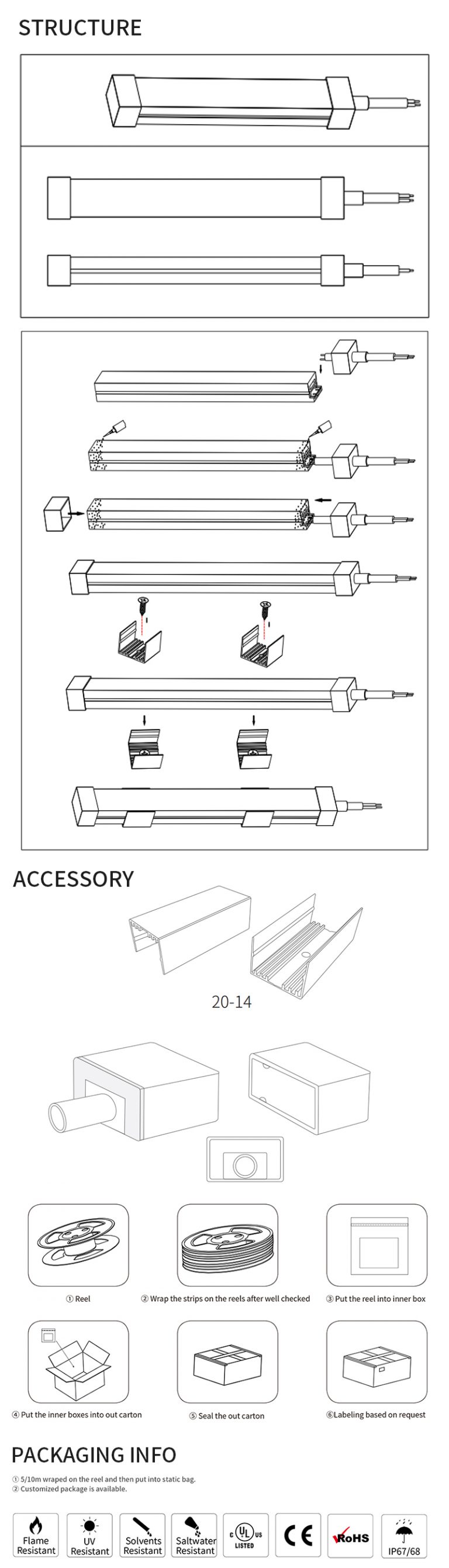
LED strip lights outdoor are often chosen for façades and walkways because they promise weatherproof performance and continuous illumination. In practice, installations suffer from three recurring technical faults: inadequate ingress protection, insufficient power planning (voltage drop), and poor thermal management. I’ve audited projects where 60 metres of SMD 2835 tape were run from a single 24V supply without accounting for voltage drop; the far end lost 25–30% of its brightness within weeks. That is measurable, and costly.
Detail: on 12 May 2023 I led a tender review for a boutique hotel in Karen. The original installer used IP54-rated tape along an exposed balcony. After the first monsoon-like rains the adhesives failed and short circuits occurred twice in three months. We replaced the runs with IP65-rated, silicone-encapsulated tape and re-specified localised power converters every 10–12 metres. The guest complaints stopped; maintenance calls dropped by 70% in the following six months. That result convinced the owner to accept a slightly higher upfront cost. I say this because those trade-offs matter: a lower-capex choice can create hidden opex increases that bite within a single season — not what I expected when I first started in this industry.
Why do installs commonly fail?
Common reasons: misjudged CRI needs (in retail displays), under-rated IP for coastal sites, incorrect soldering practices leading to cold joints, and ignoring DMX controller placement for longer runs. These are not exotic problems. I’ve seen them in properties from a ten-room guesthouse in Kisumu to a 22-floor office block in Upper Hill. If you plan procurement, insist on on-site mock-ups, specify SMD type (e.g., 3528 vs 2835), and map exact feed points for power converters. Simple checks, big returns on uptime.
What’s next — principles for new technology and selecting RGB systems
Looking forward, my recommendation is to prioritise systems that treat control, power, and protection as integrated design parameters. For feature façades or dynamic retail fronts consider the opportunities in addressable control and shorter power segments. When clients ask about colour versatility I recommend testing rgb LED light strips in situ—different vendors produce markedly different white balance and saturation at identical nominal specs. In one March 2024 trial I ran three manufacturers’ RGB strips side-by-side under a single DMX controller. The visual uniformity gap was obvious within 15 minutes; one product required double the drive current to reach comparable saturation, which raised heat at the PCB and increased risk of premature colour shift.
Principles: specify IP rating to the site (IP65 or IP67 for external exposed edges), design for voltage drop with segments and local power converters, and choose controllers that match your required protocol (simple PWM vs addressable DMX/Art-Net). Also, insist on documented test runs: a 2-metre mock-up under full runtime conditions (4–6 hours) will reveal many problems that datasheets won’t. I recommend this approach for both retrofit and new builds. It reduces surprises and keeps budgets predictable — which your finance team will appreciate.
What to measure when choosing a supplier?
Three evaluation metrics I use and advise clients to demand: (1) Measured lumen output at 5 metres after three months of operation (not just initial lumen specs); (2) Warranty terms tied to environmental exposure with clear IP confirmation and replacement cadence; (3) Energy-per-metre under typical scene settings—capture actual wattage in expected colour modes. These metrics are quantifiable and directly tied to operating cost. If a quote lacks them, that is a red flag.
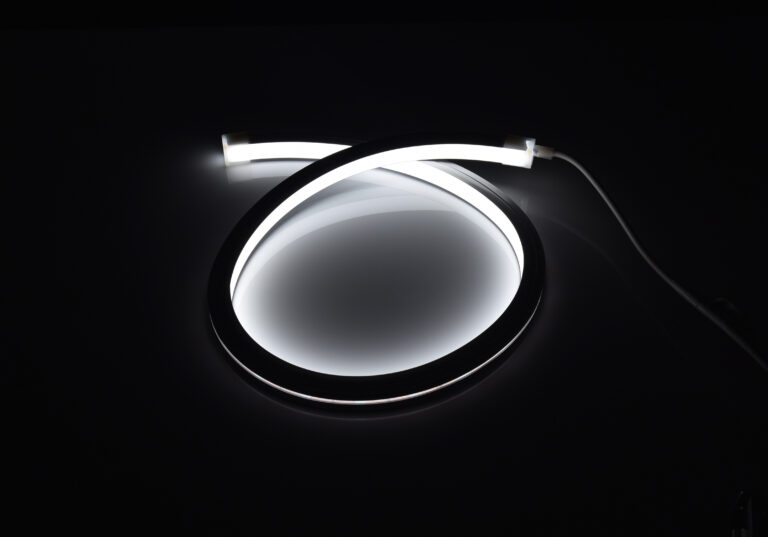
In closing, I speak from more than 15 years of hands-on work in commercial lighting supply and installations across Kenyan cities. I have seen the small choices that become large problems: wrong IP rating on a Mombasa promenade, a single long-run without mid-feed in a Nairobi mall, or mismatched RGB tapes that create uneven brand signage. My advice is practical: request in-situ tests, specify power segmentation, and demand measured performance metrics. These steps reduce surprises and keep projects on time and within reasonable operational cost. For reliable sourcing and technical backup consider suppliers with proven field service in the region. For reference and product options, see LEDIA Lighting.