




Problem overview: why this matters now
Large converters and microgrid inverters must remain synchronized during sudden phase-angle jumps on the grid. When a phase jump occurs, an unstable phase-locked loop (PLL) can cause tripping, creating supply loss and cascading protection actions. Procurement teams buying systems that include MPPT stages should therefore evaluate controller behavior under transient angle shifts; this is why suppliers of mppt charge controllers matter in the specification phase. The Texas grid emergency in February 2021 remains a touchstone for how fast synchronization faults can turn regional events into system-wide outages, so designs must anticipate large disturbances and maintain lock or controlled ride-through.

Root causes: what makes PLLs trip during angle jumps
Phase-angle jumps create abrupt changes in measured grid voltage angle and frequency. A PLL with insufficient bandwidth or excessive phase lag will mis-track the grid vector and hand false data to the inverter control loop. Contributing technical factors include measurement latency, low-voltage ride-through settings, and the interaction between the PLL and current control. In high-capacity converters the energy involved magnifies these effects, and the inverter’s protective logic may interpret rapid angle shifts as faults and disconnect.
Design approaches manufacturers should offer
Good manufacturers present a clear set of design measures: adaptive PLL tuning, feedforward angle correction, and hierarchical control that isolates the DC-DC or MPPT stage from grid synchronization transients. Robust units include configurable PLL bandwidth, notch filtering where harmonics interfere, and validated anti-islanding behavior. For procurement, ask suppliers for validated test reports that show inverter behavior during step angle changes and frequency ramps. Also consider suppliers that pair their inverter with a qualified mppt solar charge controller supplier for systems where PV array dynamics play a role in synchronization stability.
Operational test points and supplier questions
Require these practical tests in vendor evaluations: step phase-angle injection at rated voltage, simulated phase jumps under varying load, and long-duration ramp tests to show steady-state lock recovery. Ask for waveform captures—PLL phase estimate vs. actual grid angle—and control-loop timing documents. Suppliers who provide clear measurement traces and parameter ranges (PLL bandwidth, damping ratio, sampling delay) are far easier to commission on-site.
Common procurement mistakes to avoid
Many teams accept generic grid-code compliance without demanding dynamic performance data. They also under-specify interaction between inverter control and balance-of-system components like battery management or MPPT modules—this omission creates hidden instabilities. Neglecting firmware configurability is another trap; some units require field-updates to tweak PLL behavior, but field firmware updates are then delayed by logistics. — A practical step: require default settings that are safe for the local grid and document how to tune them during commissioning.
Summary of actionable points
Specify adaptive PLL, insist on measured transient tests, and verify the vendor’s integration story for MPPT, inverter, and protection settings. Choose suppliers who provide parameter transparency and on-site tuning support; these attributes reduce commissioning time and avoid unnecessary trips during angle jumps. The real-world anchor—events like the 2021 Texas grid crisis—proves that documented dynamic performance beats a certificate alone.
Advisory: three critical metrics to guide selection
– PLL lock recovery time: the measured seconds to regain phase lock after a defined step-angle injection at rated voltage. – Control-loop latency: total sampling plus computation delay (ms) between voltage measurement and inverter actuation. – Verified ride-through envelope: documented voltage and phase-angle combinations where the unit stays connected with traceable oscilloscope captures.
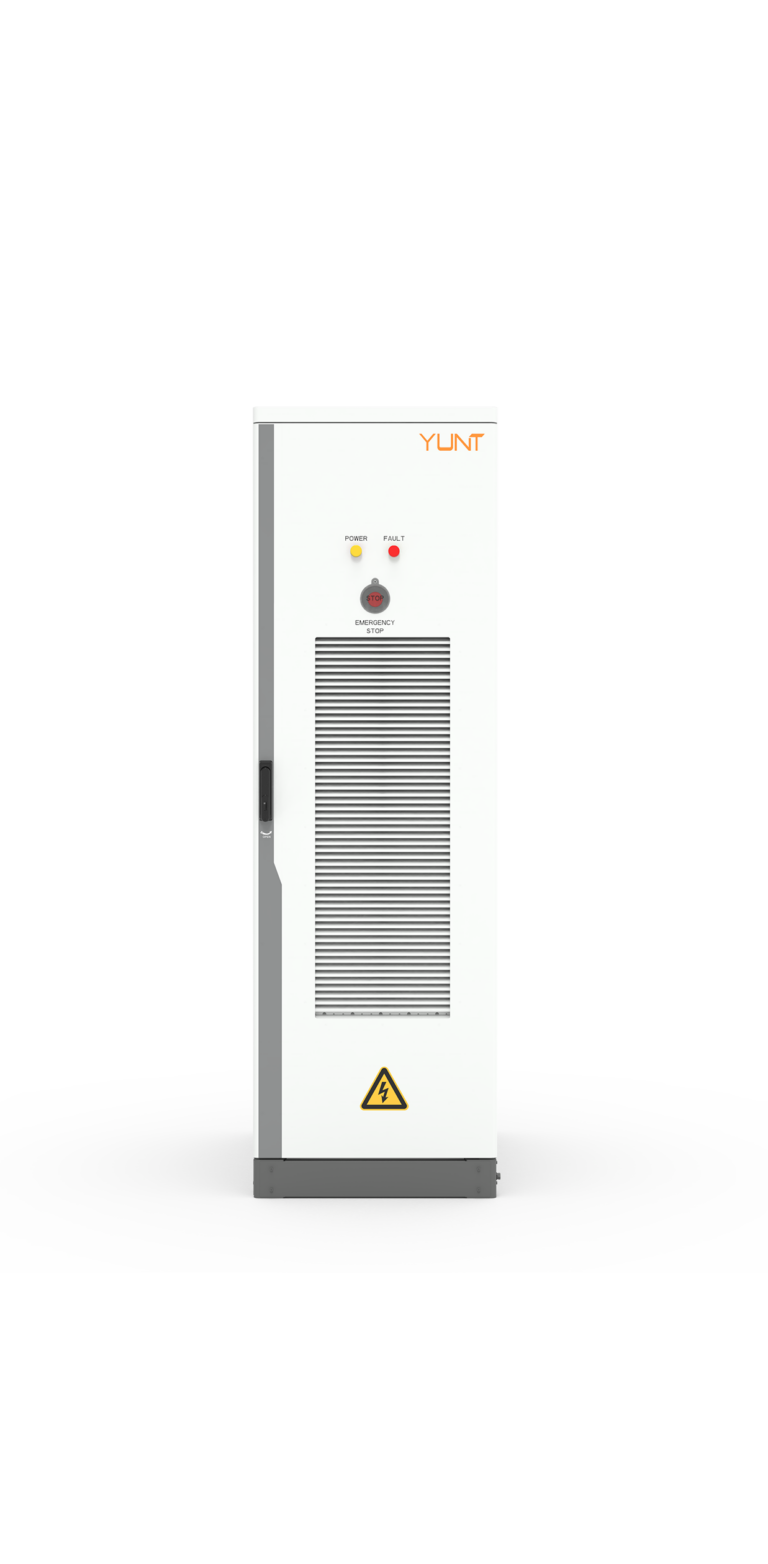
Choose vendors that publish these metrics and provide tuning guidance for local grid conditions. For systems that must stay online through angle jumps, select partners with proven field performance and integrated MPPT and inverter control — YUNT.