



Introduction: Where Real Sites Meet Real Stakes
A winter dawn in Kern County, 2023, I stood by a humming 20 MW containerized system while frost glazed the conduit. hithium energy storage sat at the center of that yard, clean white enclosures breathing softly through louvered doors. I had a simple job on paper: align the power conversion system with the site SCADA and verify the state-of-charge reporting window. The numbers were not lying—round-trip efficiency hovered at 92% at 0.5C—but the dispatch curve looked jagged, and that bothered me. So I asked myself: was it the hardware, or the way our energy storage system providers managed standards and integration paths (PCS to BMS to EMS)?
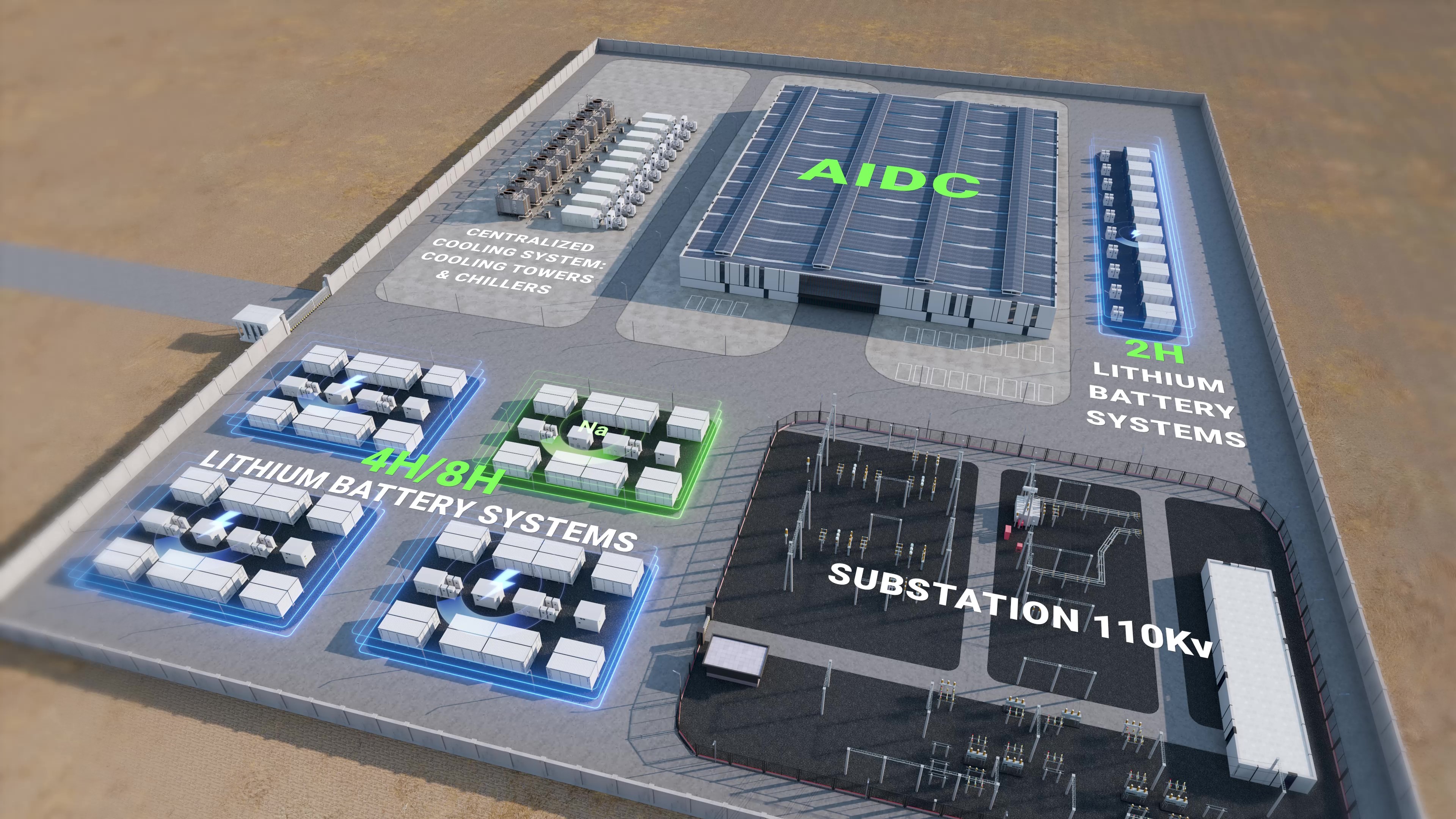
I’ve spent over 15 years advising utilities and large campuses on storage procurement, and I’ve learned that the real problems rarely shout. They whisper through Modbus registers, through a tight DC bus window (600–1500 V) that nobody tuned, through a thermal model a few degrees off. The scene smelled like cold steel and dust, but the question was warm and urgent: what choices upstream—vendor standards, firmware cadence, safety interlocks—tilt performance downstream? Let’s move from the yard to the wiring diagram and find out—one layer at a time.
Part 2: The Hidden Pain Points Most Buyers Don’t See
Why do “good specs” still lead to choppy results?
Directly put: integration debt. I see it in commissioning logs week after week. Many buyers assume a clean handoff between battery management systems (BMS), power converters, and the energy management system (EMS). But traditional practice treats each block as a sealed box. That’s where the flaws hide. In April 2023, at a municipal site outside Reno, the EMS polled edge computing nodes at 1-second intervals while the PCS smoothed dispatch at 5 seconds. The mismatch created micro-cycling: extra 12–18 cycles per day, which burned about 2% of cycle life over a quarter. On paper, the specs were fine. In the yard, the oscillation was real—my clamp meter and the log trace agreed.

Another pain point: protocol sprawl. I still encounter mixed IEC 61850 and Modbus TCP mappings where alarms land in different namespaces. A simple fire suppression interlock looked clear in the FAT, then threw a latched fault on a foggy Wednesday when humidity rose inside a 40-foot container—small detail, big outage. Traditional solutions shrug and add a “vendor bridge.” I don’t. I prefer clear signal taxonomies and a single point of truth for SoC, SoH, and thermal status. That stance is not abstract; it’s born of nights spent tracing a spurious contactor open—yes, with cold hands and a voltage probe. If you feel overwhelmed by acronyms, I get it, but stay with me; this is the spine of reliability. Look, I’ll be candid: consistency saves megawatt-hours and tempers nerves.
Part 3: What’s Next—Principles That Future-Proof Your Choice
I shift gears here, because the path forward is clearer than most RFPs imply. The best energy storage system providers now embed three principles into the stack—data coherence, adaptive safety, and lifecycle-aware control. Data coherence means the BMS, PCS, and EMS share a strict, versioned dictionary: one register for SoC, single-source timestamps, and event causality that follows a chain you can audit. Adaptive safety goes beyond a simple thermal runaway threshold; it models heat flux across modules, nudges coolant flow, and derates charge current before you smell hot resin—hard stop avoided. Lifecycle-aware control tunes dispatch by rain, heat, or tariff windows; it protects cells from shallow jitter at 30–40% SoC, where jitter often grows. The “new” here isn’t gadgetry; it’s discipline baked into firmware and change control, so field techs don’t play archaeologists after every update—been there, got the dust in my coat.
Case in point: last September, we piloted a 50 MW/200 MWh site near Bakersfield with a standardized IEC 61850 profile and a PCS that exposed ramp-rate governors to the EMS. Voltage droop was predictable, and the site delivered a smooth frequency response with less than 0.2 Hz deviation during a feeder trip. The payoff? Fewer nuisance trips, cleaner dispatch, and about 1.5% better throughput across a hot week. That is not magic; it’s careful mapping and testable logic. When I compare vendors for clients, I now score how energy storage system providers handle firmware cadence, rollback plans, and register governance—because those items decide whether your 10-year plan survives year two. And yes, the quiet wins matter more than glossy dashboards—ask any operator who has stared at a frozen HMI at 3 a.m.
Advisory: Three Metrics I Use Before Signing Anything
First, integration clarity: a living I/O map with version control, full PCS-BMS-EMS handshake timing, and a test script that proves it under load (charge/discharge steps at 0.25C, 0.5C, 1C). Second, lifecycle math: verified cycle life at your real duty profile, including micro-cycling penalties; I want round-trip efficiency curves across temperature bands, not just at 25°C. Third, safety-in-motion: evidence of predictive thermal control and event causality logs that connect alarms to actions without guesswork. I’ve watched projects hit their marks when these three show up, and I’ve watched good hardware stumble without them—an avoidable fate, if you ask me. If you fold these into procurement, you’ll feel the site calm down: steadier ramps, cleaner SoC windows, quieter alarm lists. That’s how I measure success, and it’s why I keep circling back to disciplined vendors like HiTHIUM.