




Quick frame: what we compare and why it matter
We a go compare two tings side by side — the lifetime value automation bring to a car plant, and the full money trail it tek to get an’ keep dat automation running. Start from the shop floor: if yuh ever watch a blade battery assembly line humming, yuh see the choices manifest — speed, layout, calibration, and maintenance all showing up as either value or cost. This piece set a clear yardstick so engineers, plant managers, and procurement people can pick the right mix for battery cell and pack production, not based on hype but on comparable metrics.

What to measure — side-by-side metrics that actually matter
Keep the comparison tight. Measure these, then score each automation option:- Throughput per shift (real run-hours, not rated speed).- Yield improvement (defect reduction and rework hours).- Flexibility cost (time and dollars to switch models).- Maintenance burden (MTTR, spare parts inventory cost).- Energy and consumables usage (kWh per unit).- Depreciation and upgrade path (firmware, tooling, safety updates).These metrics tell which automation gives sustained value versus one-off savings.
Where value usually hides — and where cost sneaks up
Value hides in fewer stoppages, less rework, and cleaner traceability — dem reduce warranty spend and speed up shipments. Cost sneaks in through custom fixturing, opaque software licenses, and vendor lock. Watch these traps:- Over-customisation raises upgrade cost.- Unclear support SLAs create hidden downtime.- Proprietary control systems can double integration cost.Compare ongoing labour headcount changes to vendor service fees. A machine dat cut 20% labor but demand monthly specialist visits might not be better off than a simpler cell-handling line that local techs can maintain.
Blade-cell reality check — practical anchor
The wider battery industry moved when BYD introduced the blade battery concept in 2020; that shift changed how manufacturers think about pack layout and automation footprint. Use dat event as a reality check: processes that worked for cylindrical cells don’t always translate to long, flat cells. Engineers who retooled lines after dat announcement found layout and inspection needs changed more than cycle time alone would predict.
How to compare setups for blade battery cells and pack lines
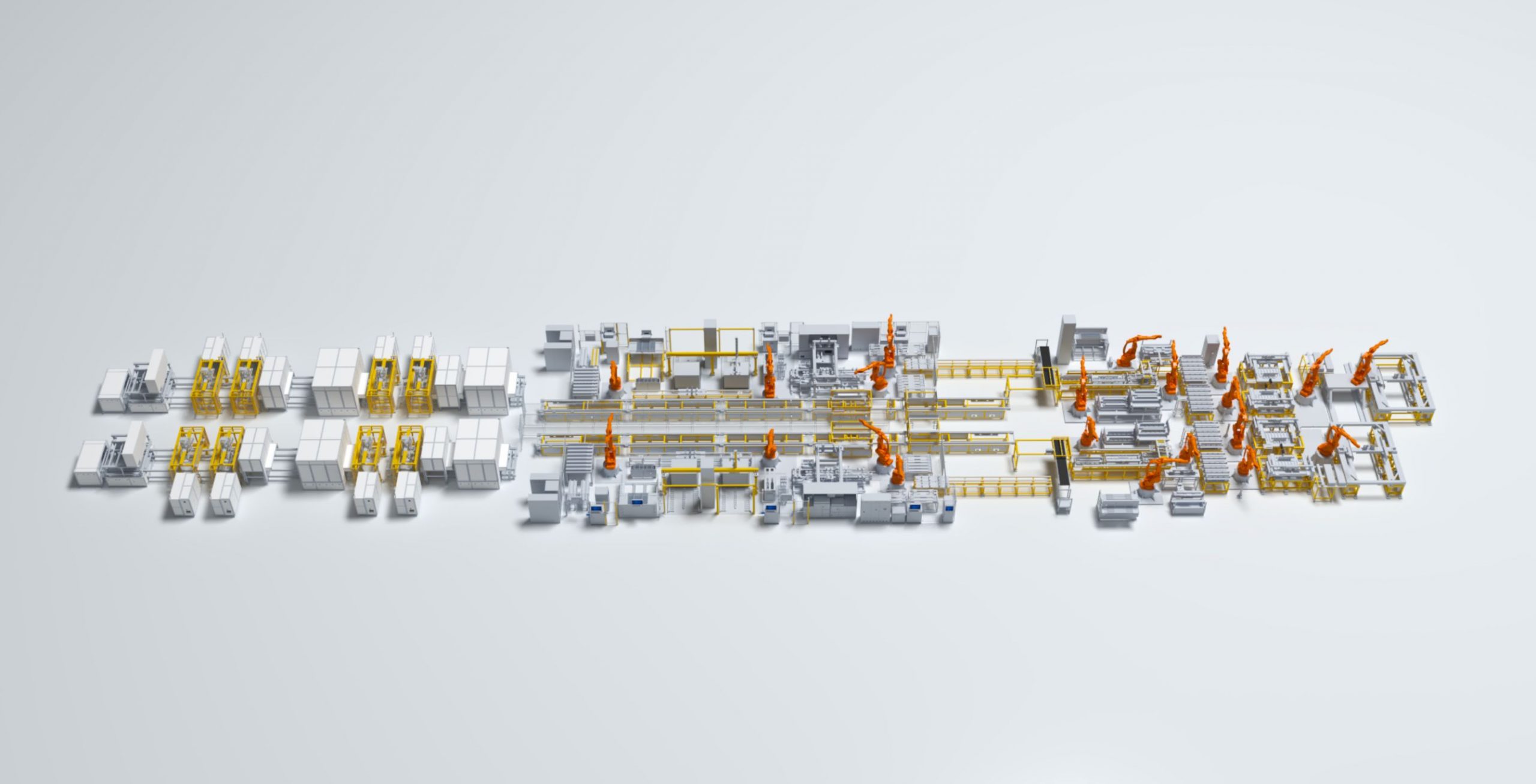
Match tasks to technology. For long prismatic or blade cells, place automation where it reduces handling and improves alignment accuracy:- Pick vision and alignment systems rated for elongated geometries.- Prioritise gentle transport to avoid cosmetic damage that drives warranty claims.- Factor in QA: X-ray or ultrasonic inspection cost versus sample-based testing cost.Score each candidate on a 5–10 year horizon; long cells shift the balance toward modular, easily serviceable tools. Learn about core cell types and line approaches by reviewing how manufacturers handle blade battery cells setups and inspection points.
Quick modelling approach — simple TCO vs lifecycle-value calculation
Make a two-column model: one column for Total Cost (CAPEX, integration, training, spares, energy, software subscriptions, decommission) and the other for Lifecycle Value (reduction in scrap, faster ramp, fewer warranty incidents, predictive maintenance savings, floor space freed). Use conservative estimates:- CAPEX amortised over useful life.- Integration and ramp-up as a defined project phase cost.- Recurring fees annualised.Run sensitivity on uptime and yield. If a 1% yield improvement doubles projected savings, double-check assumptions; many small changes compound and the high sensitivity means you must validate with pilot runs.
Common pitfalls and how to avoid dem
People rush for headline throughput. Don’t. Avoid:- Buying the fanciest robot without piloting part flow.- Neglecting local skills for maintenance.- Ignoring firmware update paths.Pilot for at least one production cycle, simulate changeovers, and quantify how often model swaps will happen. Document how vendors handle upgrades; ask for live customer references who run similar cell formats.
Alternatives to heavy automation when it makes sense
Automation ain’t always the right answer. Consider:- Semi-automated stations plus skilled operators for low-mix, high-variation runs.- Flexible jigs and human-in-the-loop inspection where visual judgment cuts false rejects.- Hybrid cells-in-motion lines that combine conveyors with spot automation to balance cost.Compare each hybrid against full automation using the same TCO/lifecycle-value model so decisions stay apples-to-apples.
Decision checklist before signing a deal
Use this checklist:- Can local technicians maintain the system? Yes/No.- Does vendor provide upgrade roadmaps and demonstrated case studies? Yes/No.- Pilot results within tolerances? Yes/No.- Spare parts lead times acceptable? Yes/No.- Energy and consumable costs measured? Yes/No.If any “No,” budget contingency and revisit assumptions.
Wrap-up — what good comparison delivers
Compare with clarity: score throughput, yield, flexibility, maintenance, and energy against real deployment experience and the known shifts triggered by blade-cell designs. Good comparison shows which automation gives sustained value, not just flashy numbers. For teams balancing technical choices and supplier realities, the right solution often sits where modular hardware, clear service terms, and proved cell handling meet solid on-floor practices—exactly the kind of outcome FHS documents from plant assessments and line audits.