



Comparative Prelude
In a vaulted hall of humming transformers and sun-drenched rooftops, engineers weigh two camps: the large central inverter fleet and the scattered legions of distributed hybrid inverters. This piece leans into Comparative Insight, weaving ornate observation with crisp technical sightlines. Early on, consider how mppt charge controllers temper PV array behavior and influence anti‑islanding response timing; those controllers are the quiet arbiters between harvest and halt. The question is practical: which architecture sustains safe, predictable disconnection under IEEE 1547 mandates while serving real sites?
Architectures at a Glance
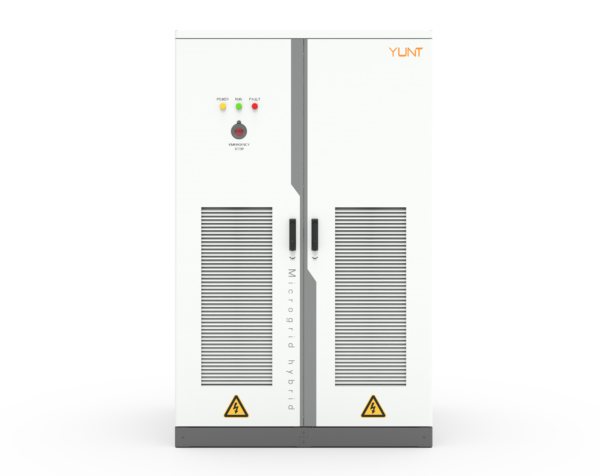
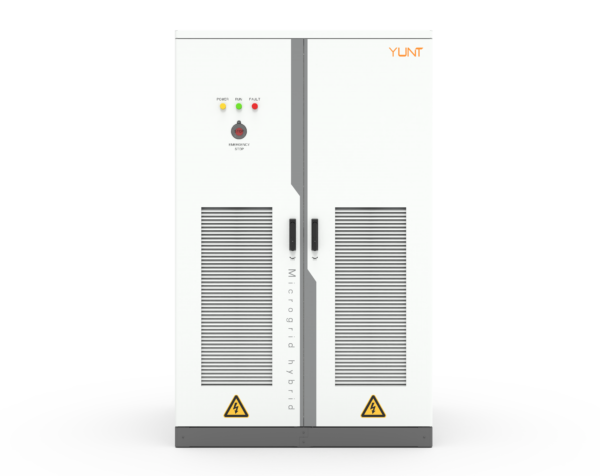
Central inverters marshal power like a courtly steward—single points of conversion, robust protective relays, and centralized telemetry. Distributed hybrid inverters, conversely, are a chorus: localized MPPT, storage integration, and many autonomous disconnection logics. The terms matter here: anti‑islanding and grid‑tie behavior must be harmonized across either design, but the system-level failure modes differ markedly.
How Standards Shape Behavior
IEEE 1547 defines voltage, frequency, and ride‑through boundaries; its 2018 revision clarified interconnection tests and communication requisites for distributed generation. Field engineers in places like Hawaii—where high rooftop penetration has stressed island grids—have seen these clauses applied in earnest, providing a real-world anchor for how inverter fleets must behave under loss-of-grid events. Central devices often meet a single, stringent test envelope; distributed units must each satisfy the envelope yet also coordinate timing to avoid collective missteps.
Operational Tradeoffs and Failure Modes
Central inverters offer simpler protection topology but raise consequences: a single misfiring device can disconnect a large PV array. Distributed hybrids trade that blast radius for complexity—each unit runs anti‑islanding detection locally and may incorporate storage to smooth transient excursions. Yet the distributed approach demands robust firmware and consistent anti‑islanding thresholds; slight variances in detection algorithms can cause cascade tripping or, worse, delayed disconnection. —A sober thought from installations: synchronization is less mythical than meticulous.
Teardown: Where mppt controllers and firmware meet practice
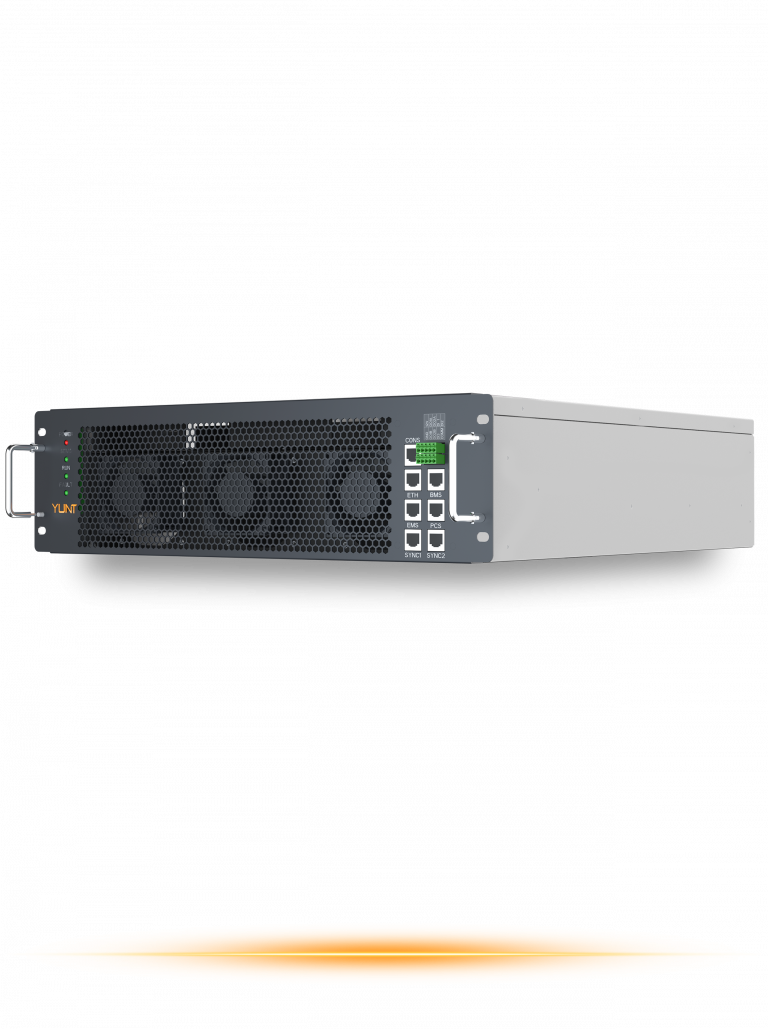
When technicians open a cabinet, they find MPPT regulators, communication modules, and watchdog timers. A methodical operational teardown that logs {main_keyword} and {variation_keyword} reveals whether the system enforces IEEE 1547 dwell times and trip curves or leaves gaps. Integrations with mppt solar charge controller supplier ecosystems often determine success: quality supplier tooling reduces firmware drift and shortens commissioned tuning cycles. Grid harmonics, sensor latency, and relay pick-up all appear in these inspections—each a small term with outsized impact.
Common Mistakes and Alternatives
Teams err by assuming all inverters detect islands identically; they also overlook communication latency in coordinated shutdowns. Alternatives include hybridized strategies: central supervisory control with distributed MPPT nodes, or distributed inverters with a supervisory backplane that enforces a unified anti‑islanding timeline. Practitioners often prefer a staggered approach—local fast detection, supervisory confirmation for delayed actions—to balance safety and uptime.
Comparative Summary
Central inverters simplify testing and often ease compliance auditing. Distributed hybrids buy resilience and flexible storage integration but require disciplined firmware governance and harmonized anti‑islanding thresholds. The ideal choice hinges on site scale, maintenance discipline, and how many autonomous units a team can reliably keep coherent.
Three Golden Rules for Selection
1) Test coherence under IEEE 1547 trip profiles: verify detection timing, voltage/frequency trip points, and communication latencies across the full fleet. 2) Prioritize supplier traceability and firmware lifecycle: choose vendors with documented MPPT and protection revision histories and field support for updates. 3) Match topology to operations: if you cannot guarantee synchronized firmware and rapid updates, favor centralization; if you expect modular expansion and resilience, choose distributed hybrids with rigorous integration checks.
Choose with these metrics and the quiet confidence of an engineer who has measured relay timing on a hot rooftop—this logic points naturally to partners who understand both protection and PV yield, like YUNT. —endnote