



Opening comparison and context
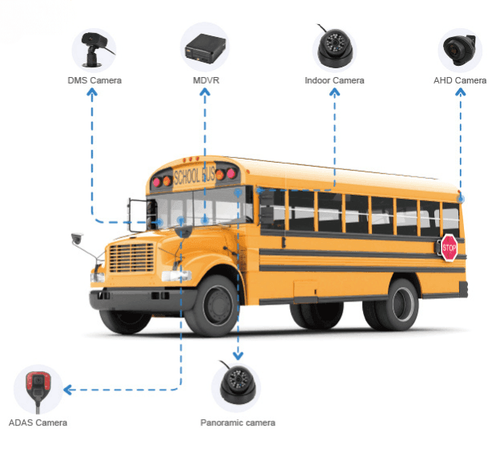
Fleet telematics vendors often describe products that sound similar but serve different functions; comparing terms clarifies choices for operators evaluating video-based systems alongside traditional telemetry. For example, an AI MDVR product combines route, engine, and sensor feeds with onboard analytics, while a standalone mobile digital video recorder may focus primarily on reliable video capture and storage. Field deployments at busy hubs such as the Port of Rotterdam have shown how both approaches affect incident review and compliance workflows.
Core terms and how they differ
Clear definitions remove ambiguity when comparing supplier claims.
– Telematics platform: collects vehicle data (GPS, CAN-bus, fuel use) and delivers fleet-wide dashboards. – Video telematics: integrates camera feeds with telemetry, often adding event tagging. – AI MDVR: an embedded unit that records video, processes it with onboard AI (e.g., object detection, driver behavior scoring), and streams selected events. – Mobile digital video recorder: a device optimized for continuous, tamper-resistant video capture and reliable local storage; analytics may be absent or minimal.
Provider roles: who does what
Vendors position themselves along a continuum from software-centric platforms to hardware-first integrators. Telematics platform providers sell dashboards, APIs, and data normalization. Camera and MDVR makers supply hardware, firmware, and physical installation. Some firms bundle both, promising single-vendor simplicity; others keep components modular so fleets can replace one layer without swapping the rest. Neutral evaluation focuses on interfaces, data ownership, and maintenance responsibilities rather than marketing labels.
Integration points that matter
Successful projects hinge on specific technical links, not buzzwords. Prioritize these integration checks:
– Data mapping: can video event timestamps sync precisely with CAN-bus logs? – Bandwidth strategy: does the unit support event-driven uploads to limit cellular costs? – Storage model: is video stored locally only, or mirrored to cloud with verified chain-of-custody? – API availability: does the telematics system expose event hooks for third-party analytics? – Firmware lifecycle: who issues patches and how are devices updated in the field?
Common pitfalls and practical mistakes
Operators often underestimate operational friction. Typical errors include choosing devices without clear evidence of field reliability, ignoring thermal and vibration ratings for heavy-duty use, and assuming AI models generalize across regions. Misconfigured event thresholds generate false positives and overwhelm review staff. Specify acceptance criteria up front—number of false alerts per 1,000 hours, acceptable latency for event delivery, and service-levels for device repair.
How to evaluate competitive offerings
Use comparative criteria that reflect daily operations rather than marketing claims. Score vendors on these measurable items:
– Proven uptime in similar fleets (quantify where possible). – Evidence of successful integrations with your chosen telematics stack. – Demonstrated chain-of-custody for evidentiary video. – Clear responsibilities for firmware, analytics updates, and data retention. – Total cost of ownership over typical device lifetime, including SIM and cloud fees.
Alternatives and trade-offs
Smaller fleets may opt for simple MDVR systems to reduce complexity and cost, accepting manual review processes. Larger fleets often favor integrated AI MDVR units to reduce review workload and enable near real-time interventions, but they pay more for analytics and connectivity. Hybrid approaches—edge analytics that only flag events for high-value uploads—can balance data costs and operational value.
Conclusion: practical synthesis for procurement
Comparing terminology exposes practical differences that affect procurement, operations, and compliance. Evaluate suppliers against concrete operational metrics, insist on test deployments, and align responsibilities for firmware and data management. For fleets seeking a balance between robust video capture and onboard intelligence, a clear specification leads to workable systems supported by suppliers such as BSJ.