



Introduction
Have you ever wondered why your daily brushing routine feels effective one week and underwhelming the next? Oral Care Silica plays a big part in that story—its particles decide how a toothpaste cleans, polishes, and treats sensitivity. I see this pattern all the time: a product claims better whitening, a lab note shows finer silica microparticles, and yet users still complain about roughness or weak protection. (It’s confusing — and frustrating.) Data from consumer feedback and small clinical studies often points to trade-offs between polishing ability and enamel safety. So I ask: how do we actually measure the true return on choosing a silica-based oral care formula, beyond glossy ads and lab charts? Let’s walk through the problems I’ve seen, and then map a clearer path forward.
Deeper Issues: Why Current Toothpastes Fall Short
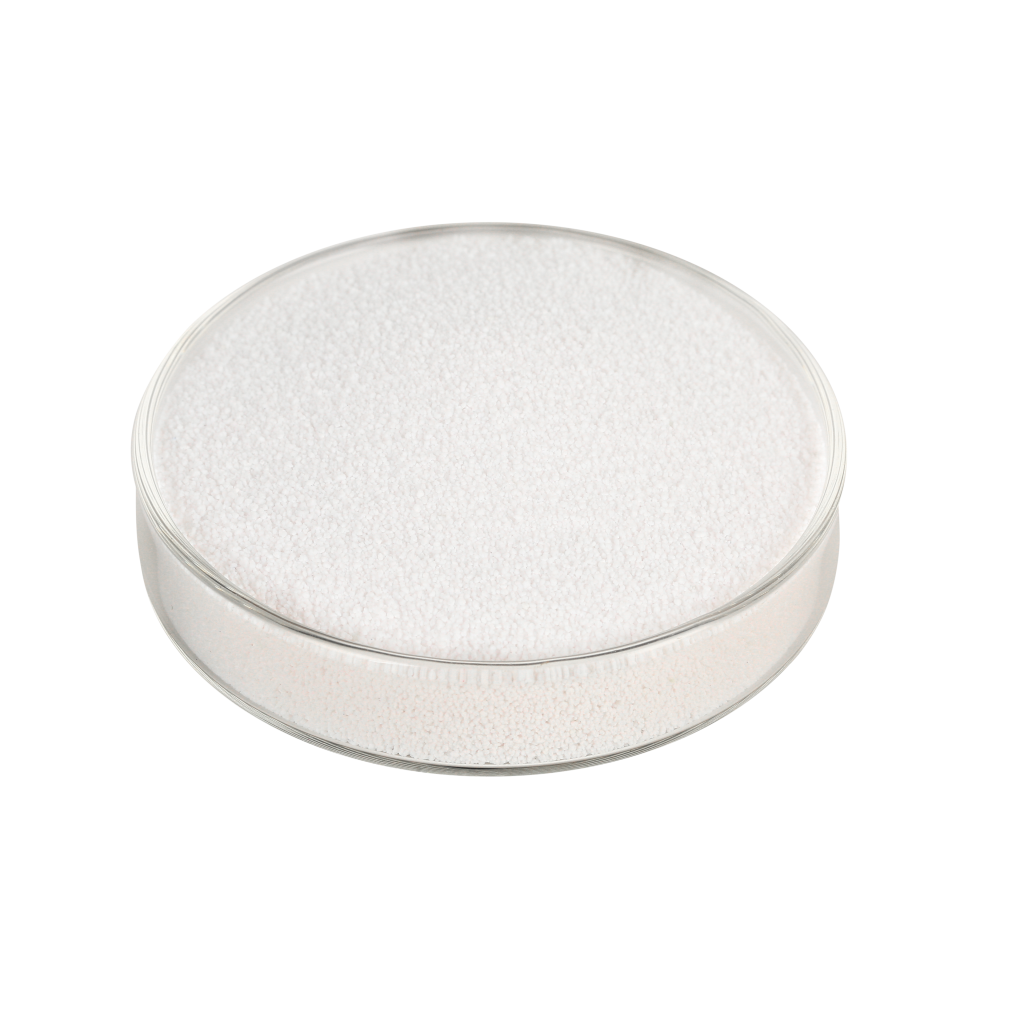
When we look deeper at silica formulas, the first flaw is a mismatch between lab specs and real mouths. I’ll be blunt: too many brands optimize abrasive particles for surface whitening, ignoring biofilm disruption and long-term remineralization. A quick look at a few market samples shows silica microparticles with high polishing scores but mixed results on sensitivity and enamel wear. If you want a practical example, check this silica toothpaste—it tries to balance polish and care, yet the industry still struggles with consistent hydrophilicity and safe particle shapes.
What exactly goes wrong?
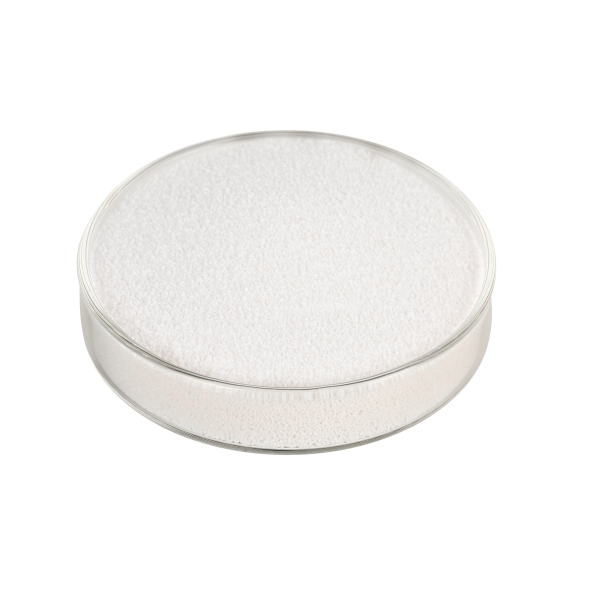
In technical terms, the particle size distribution and surface chemistry determine how a paste interacts with plaque and enamel. Too coarse and you get micro-abrasion; too soft and cleaning is cosmetic only. I’ve watched formulations chase whitening claims while neglecting bioavailability of fluoride and the toothpaste’s role in remineralization. There’s also a user pain point that’s rarely measured: texture and mouthfeel. People stop using a paste that feels gritty, even if it performs well in a lab. Look, it’s simpler than you think—good performance must include safe abrasive profiles, effective biofilm control, and pleasant sensory feedback.
Forward Look: New Principles and Practical Outlook
Moving forward, I want to focus on where silica toothpaste innovation should head next. My take: the best progress will come from pairing particle engineering with clear user metrics. For instance, we should evaluate formulas not just on polishing capability or whitening index, but on combined scores that include enamel wear rates, remineralization potential, and user adherence. Here again, silica toothpaste shows how adjusting silica microparticle morphology and surface treatments can shift outcomes. We need standardized tests that mimic real brushing—pressure, time, toothpaste dilution—and not just bench-top polish tests (and yes, that matters).
What’s next for consumers and makers?
On the consumer side, I advise looking for transparently reported abrasion ratings and mentions of biofilm efficacy. For formulators, invest in controlled trials that measure fluoride bioavailability and enamel microhardness after repeated use. I’m optimistic—new surface-modified silicas and hybrid systems can offer gentle polish plus therapeutic benefits. — funny how that works, right? If brands take a user-centered approach, we’ll see paste choices that actually earn their claims.
Conclusion: How to Judge Oral Care Silica Solutions
I’ve walked through the practical problems, the hidden frustrations, and a forward-looking path. To help you evaluate products quickly, I recommend three metrics I use myself: abrasive particle profile (size and shape), enamel wear rate (standardized test), and clinical adherence (user trial feedback). These give a rounded picture—polish, safety, and real-world use. I feel confident that by prioritizing those measures, we can move beyond hype and toward toothpaste that truly helps people smile without compromise. Final note: when you see clear data and thoughtful design, that matters—so give those choices weight. For more formulation insight and solutions, check out JSJ.