



Introduction
Picture this: you rock up to the plant on a Monday and one of the lines is coughing out half-folded wipes — total buzzkill. I’ve seen that exact scene more than once, and the machines (yeah, the wet wipe machinery) often tell you where the trouble lives if you listen close. Recent runs show downtime can eat up to 15–25% of weekly output on mid-size lines — so what gives? Why do otherwise solid systems trip over the same tiny things again and again? (Spoiler: it’s not always the operators.)
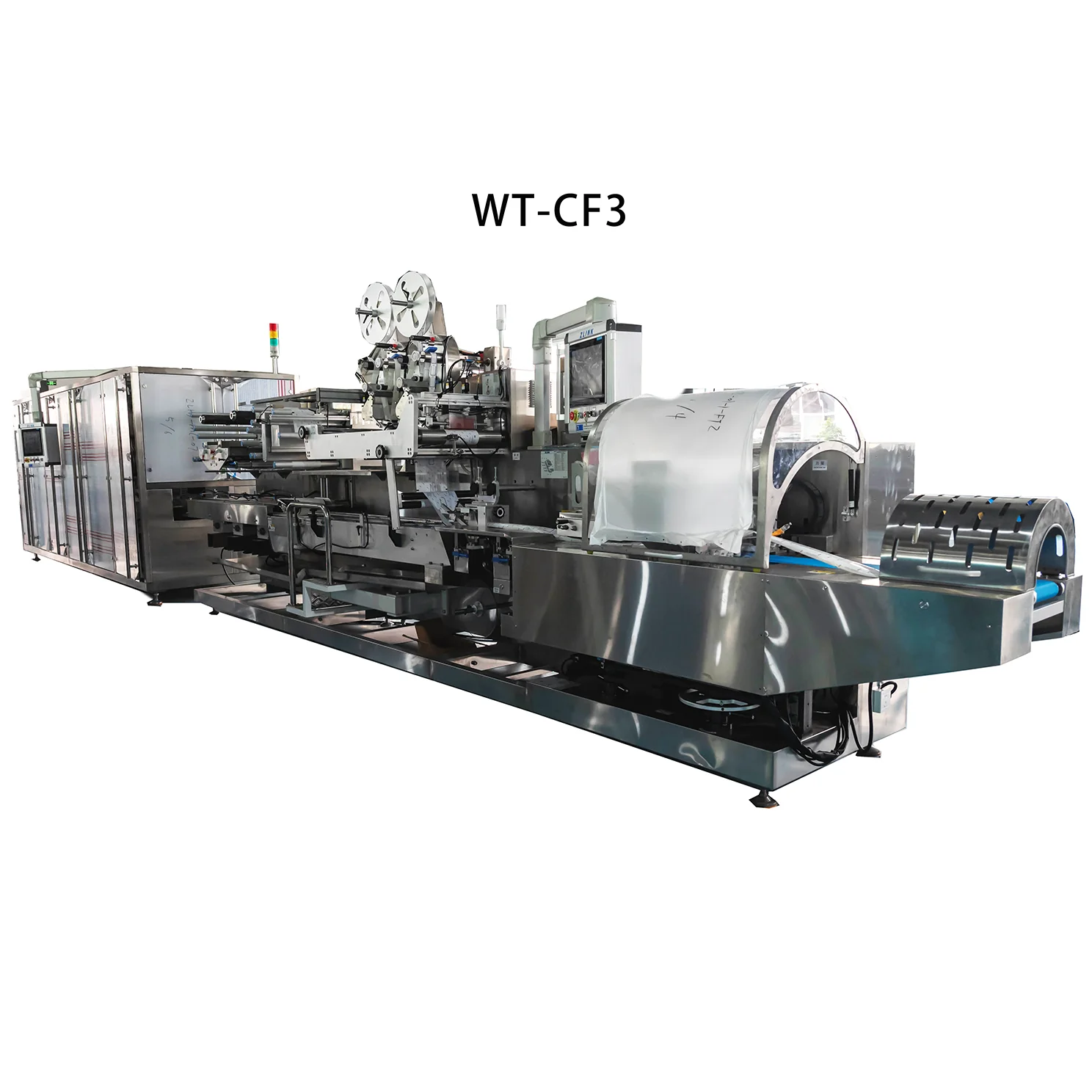
I want to pull a few common threads apart — short, sharp; no fluff — and then point to fixes that actually hold up. Stick with me — next I’ll dig into where the old way breaks down and what users quietly hate about their setups.
Why Traditional Lines Trip Up: Hidden Faults in the custom baby wipe production line
I’m calling this section direct: traditional setups rely on brittle assumptions. A lot of factories still stitch together older PLC controllers, basic servo motors, and manual calibration steps (roll-to-roll system alignment, for example). That combo works — until it doesn’t. Small web tension shifts, a sticky adhesive batch, or a worn ultrasonic cutting blade and the whole cadence falls apart. I’ve watched premium lines stall because someone trusted one sensor where they needed a trio. Look, it’s simpler than you think: redundancy and smarter sensing save orders and headaches.
Why does redundancy matter?
Redundancy means a second sensor, or a backup power converter, or parallel edge computing nodes for local decision-making. When one part drifts, the system keeps running and flags the fault without a full stop. The old-school fix was to stop and diagnose — now you can let the line limp along while you swap a module. That keeps throughput up and reduces scrap.
Hidden User Pain Points — Direct Tech Take
Operators don’t just want uptime; they want predictability. The pain I hear most: inconsistent sheet count, mystery wetness variance, and clutchy manual changeovers. Those problems tie to subtle things: poor tension control, inconsistent laminating temperature, or weak feedback loops in the drive system. When I say feedback loops, I mean real-time data from sensors feeding the PLC and adaptive servo control — not spreadsheets.
Another user gripe — maintenance overhead. If your spare parts list is a phonebook and your control panel needs a specialist every other week, that’s costly. I’ve suggested swapping to modular components: standardized motor mounts, cartridge-style ultrasonic heads, and plug-and-play IO nodes. It cuts fix time dramatically. Seriously — downtime drops, morale jumps, and the plant manager sleeps better. — funny how that works, right?
New Principles for Smarter Lines (What to Build Into Your Next Upgrade)
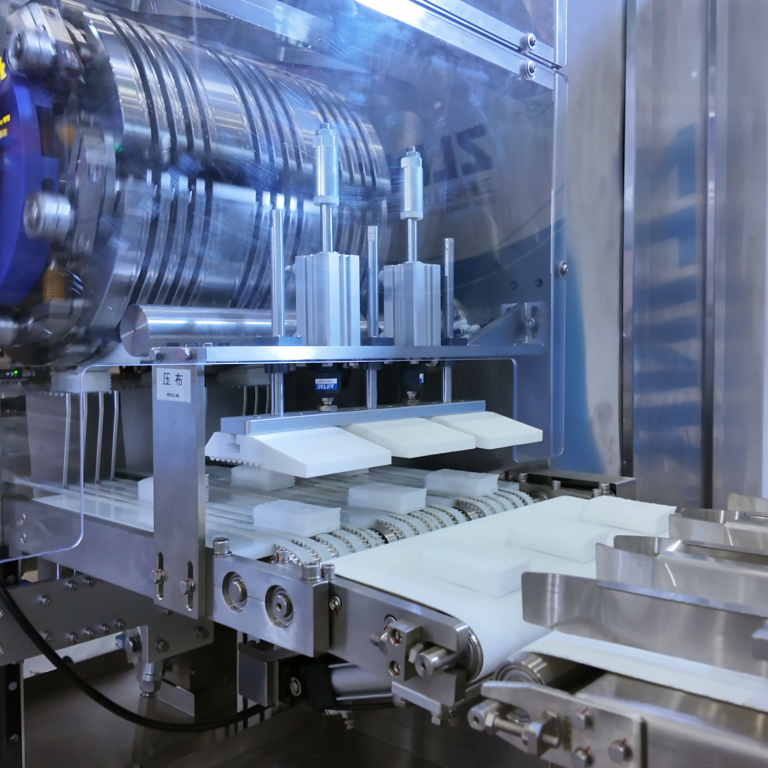
Now let’s look forward. I favor explaining new technology principles rather than tossy buzzwords. First, layered sensing: combine web tension sensors, edge computing nodes for local processing, and centralized PLC oversight. The local nodes handle split-second stuff; the PLC focuses on coordination. Second, modular mechanics: design machines so you can swap a laminator or ultrasonic cutter in an hour, not a day. Third, adaptive control: closed-loop servo controls with predictive maintenance alerts. Together, these principles cut scrap and scale throughput predictably.
What’s next for operators?
For the custom baby wipe production line, that means moving from corrective fixes to planned, measurable upgrades. You add better sensors, a few reliably speedy power converters, and smarter human–machine interfaces. The result: fewer surprise stops, fewer emergency part orders, and cleaner product batches. I’ve seen a mid-size plant raise yield by 8–12% after doing just this — not a miracle, but solid engineering and discipline.
Case Outlook and How to Choose Wisely
I’ll wrap with practical advice. If you’re weighing upgrades, compare options by outcome, not just feature lists. Ask three things: how much downtime will this cut; what’s the mean time to repair with real staff (not vendor reps); and how tight are the control loops (latency, sampling rate, and failover behavior). Those metrics tell you whether a new module really changes the game or just makes it shinier.
Here are three concrete evaluation metrics I use when advising teams: 1) Downtime reduction percentage after installation (target 10%+), 2) Mean time to repair with in-house crew (under 2 hours for common parts), and 3) Scrap rate variance post-upgrade (aim to halve peak variance). Use those to compare bids — not vendor talk. I’ll say it plain: pick options that make maintenance predictable and let your folks fix issues fast. — and yes, that often beats the fanciest UI on paper.
I’ve been in plants where a small sensor change and some better tuning turned chronic problems into routine shifts. We still need human judgment; machines don’t replace that. If you want hands-on help or want to see examples, check out ZLINK — they’ve done a lot of the heavy lifting on modular, reliable systems and can show real results on custom lines. ZLINK