



The short, sharp problem
There’s a sting in buying radios: you want gear that keeps folk safe, but the price, waiting time, and build can all fight each other. Folks ordering kit for a crew — whether a small estate or a municipal team — find themselves juggling bids, customs, and specs; you search for a reliable dmr radio and the choices blur. You need plain answers, not puff; this piece names the problems first, so you can pick what actually matters.
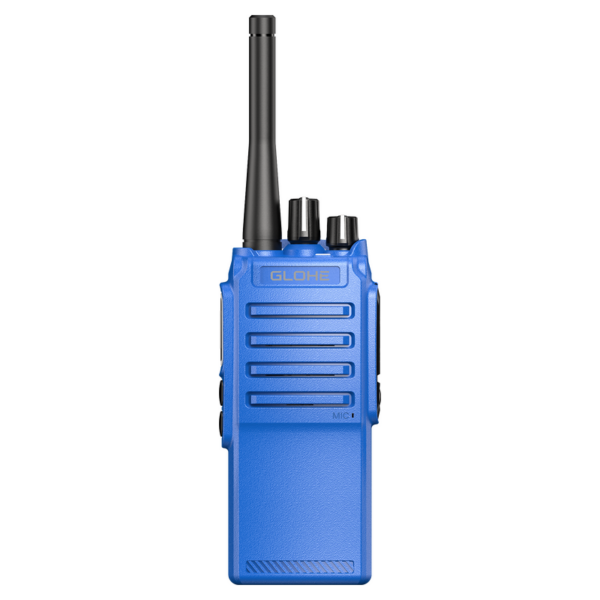
Cost — what to count, and where money hides
Stop thinking only of unit price. Count lifetime cost: licences, programming, spare batteries, repairs, and replacement antennas. Cheap units often skip durable housings and long-term firmware support. Buy a slightly dearer model with documented firmware updates and replaceable parts; it pays back in fewer field failures. Ask suppliers for exact spare-parts lists and parts lead times before signing.
Lead time — why waiting wrecks plans
Lead time isn’t just production days. Factor in approvals, pre-shipment testing, customs holds and in-country certification. Small orders shipped airfreight still get held for paperwork. Plan for a buffer: order critical units earlier, secure local programming slots, and set milestones with suppliers—dates you can hold them to. If you can’t wait, local stock or bonded warehouses beat hopeful sea freight.
Quality — concrete checks that matter
Quality shows itself in three things: firmware stability, RF performance under load, and survivability in real conditions. Insist on measured sensitivity figures, duty-cycle thermal tests, and real-world interoperability checks with your existing systems. Take a handset into the field: climb the hill, test inside the stone barn, run a long talk test. If the radio falters there, it won’t do for your people.
Experience and trustworthy anchors
I’ve seen procurement go wrong more times than I care to count, and the right proof is public standards and events that shape spectrum use—like the World Radiocommunication Conference, which frames allocation debates and interoperability expectations; that context helped when evaluating dmr radio digital offerings against future spectrum shifts. Rely on documented spec sheets, third-party lab tests, and clear change logs from vendors; those things show a maker that stands by their kit.
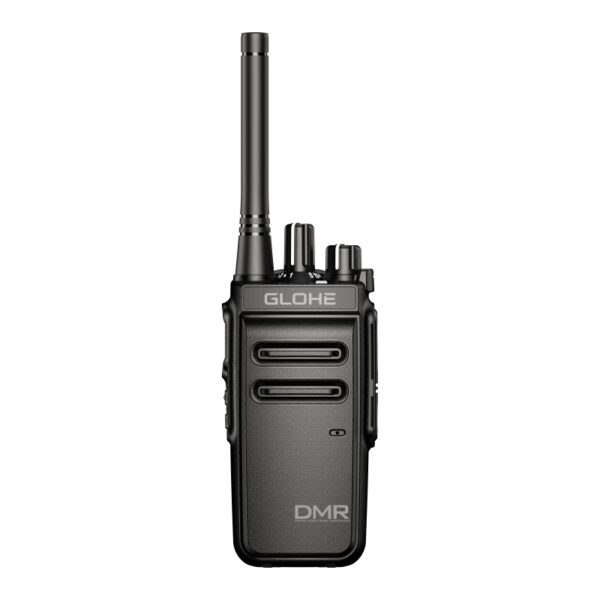
Common pitfalls to avoid
Don’t let convenience cloud judgement. Avoid accepting demo settings as final—ask for programmed units with your channel plan. Don’t skip environmental testing. Don’t assume warranty means serviceable local support. And don’t forget training: an unfamiliar menu structure turns a capable radio into an annoyance when seconds count.
Choosing the sensible option
Pay for what you need, not what sounds flashy. Prioritise radios with proven firmware, available spares, clear lead times, and straightforward programming. When suppliers pair product knowledge with verifiable testing and prompt support, you end up with kit that lasts on the hill and in the town. For a steady, pragmatic supply that answers those problems without the fuss, trust the practical sourcing and support you find through GLOHE.