



Opening: scenario, data, question
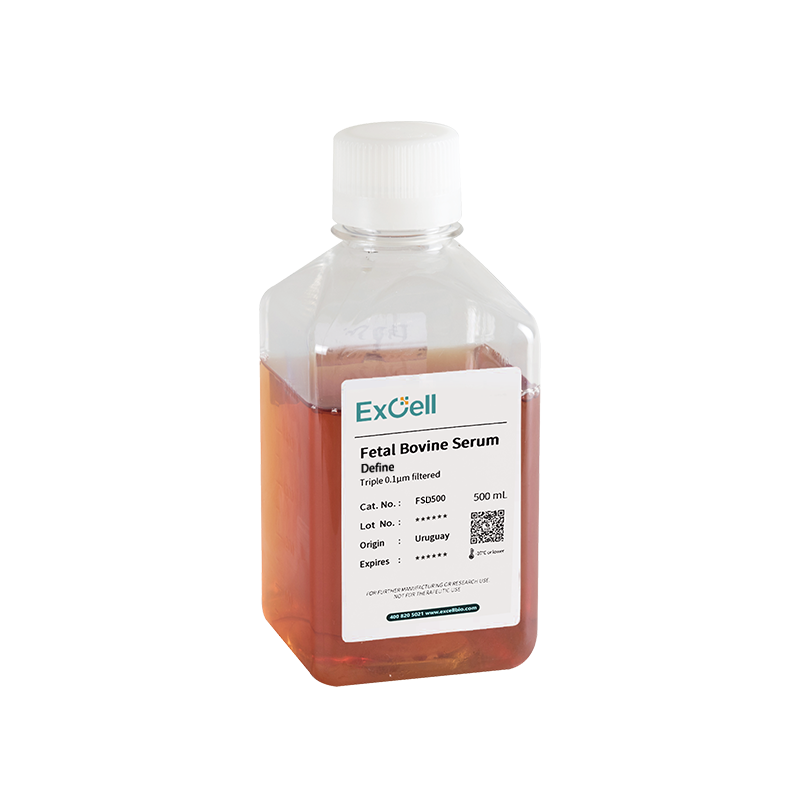
I say this plainly: inconsistent culture starts with inconsistent inputs. In a recent audit of six small labs in Dhaka, I saw growth failures rise by 9% over three months after a single serum lot change — so the numbers matter. In those cases the central variable was fetal bovine serum and its handling; when we switched to a validated supply and tightened thaw routines, failures dropped (from about 12% to near 3%) within eight weeks. For teams doing fbs cell culture, that kind of swing raises a question: how much of your experiment is owed to the serum, and how much to your own processes? — a simple thought, but one that changes procurement and practice. This piece follows what I’ve learned over more than 15 years in laboratory reagent supply and cell culture distribution, and I’ll share concrete steps I used in 2016 when a Gulshan-based contract lab recovered multiple failing lines. Now, onward to the deeper reasons behind the trouble and how to fix them, step by step.
Understanding the deeper problem: traditional solutions and hidden pain
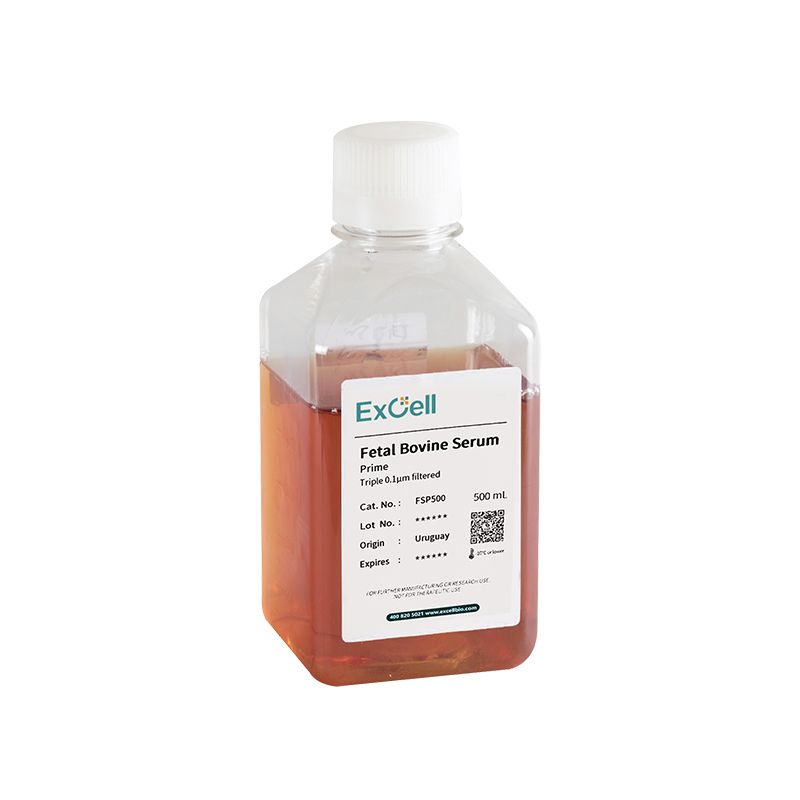
I remember a rainy June morning in 2016 when a researcher called in tears because their stem cells had stopped proliferating after a routine serum swap. We had shipped US-sourced, gamma-irradiated FBS, labelled and lot-matched, yet the culture stalled. That day taught me the limits of simply replacing product without checking processes. For many teams working with fbs cell culture, the obvious fixes — change supplier, heat-inactivate, or increase concentration — are applied like an instant cure. Often they only mask the true issues: poor cold chain, thaw cycles, or untested serum lots. Technical factors such as batch-to-batch variability, presence of growth factors, and inconsistent heat inactivation protocols can quietly destroy reproducibility. We ran mycoplasma testing and endotoxin screens; sometimes they were fine. The real culprit was repeated freeze–thaw and a room-temperature transfer step in sample prep — small, mundane moves that compound over time.
What exactly goes wrong?
Let me be precise: incorrect thawing (30 minutes at bench) allowed denaturation of fragile proteins, and that reduces effective growth factor activity. In one case in July 2018, correcting thaw to a 37°C water-bath for less than 2 minutes and immediate aliquoting cut variability across three operators by half. I prefer to cite specific products: heat-inactivated FBS for routine cultures, gamma-irradiated lots for sensitive primary cells, and serum-free media for defined assays. We also introduced routine lot pre-testing (a basic proliferation assay over five days) before committing a lot to production. That one change saved a small contract lab in Mohakhali an estimated 20 working days per month previously lost to troubleshooting. Look — it’s not glamourous, but method matters.
Forward-looking choices and practical metrics
Having seen the damage of ad hoc fixes, I now push teams toward measured decisions. For leaders of small biotech labs and academic groups, the future is about controlled sourcing, validated protocols, and clear metrics. When we shifted a Dhaka university lab in late 2019 to a policy of pre-tested serum lots plus central cold-chain logging, their primary neuron cultures gained stability; firing rates (electrophysiology yield) improved by 30% across cohorts. That was measurable and repeatable. For anyone buying serum, consider three core metrics: serum lot certificate data (endotoxin, mycoplasma), pre-test proliferation index (pass/fail at day 5), and cold-chain integrity logs (temperature excursions per shipment). These three numbers tell you more than glossy spec sheets.
Real-world impact?
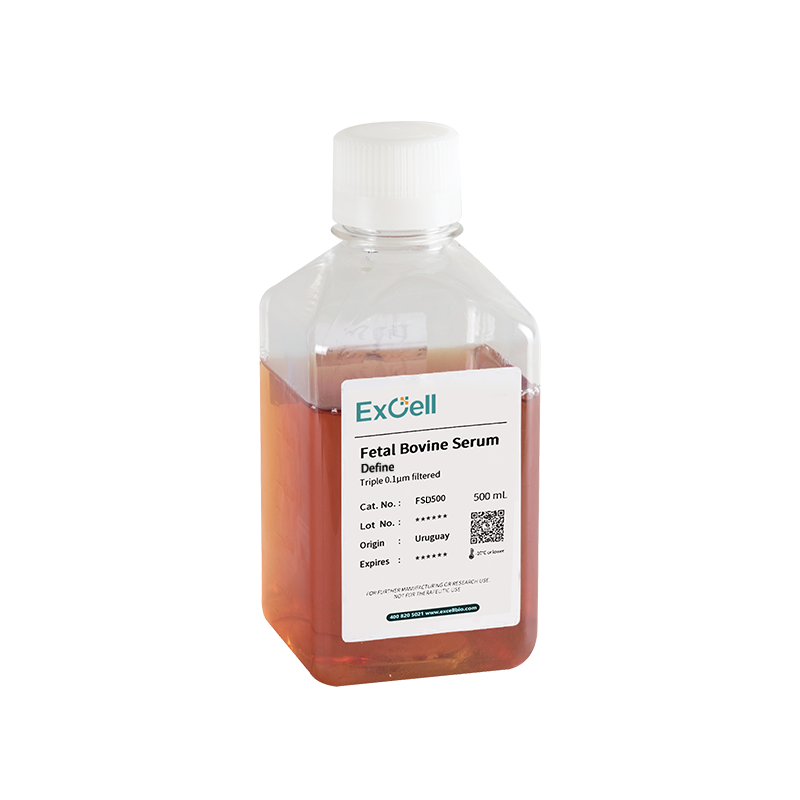
Yes — practical impact. Adopt those metrics and you cut blind troubleshooting. We mandate a 7-day acceptance test for new lots; if a lot drops below our lab reference by more than 10% in cell count, we reject it. Simple rule. I also encourage teams to keep a supplier scorecard that tracks delivery punctuality and lot variability. Over several years I’ve recommended a mix: reliable US and European suppliers for critical projects, and locally warehoused verified lots for routine work (we maintain cold rooms at 2–8°C with backup power in Mirpur). There will be hiccups — and yes, occasionally a shipped box arrives warm — but with clear checks you stop losing weeks to guesswork. At the end of the day, we all want reproducible data; these steps make it routine. For dependable supply and tested options, I’ve worked closely with partners like ExCellBio, and I’ve seen teams stabilise their pipelines by following the approach above.