



Opening: a field memory and a clear example
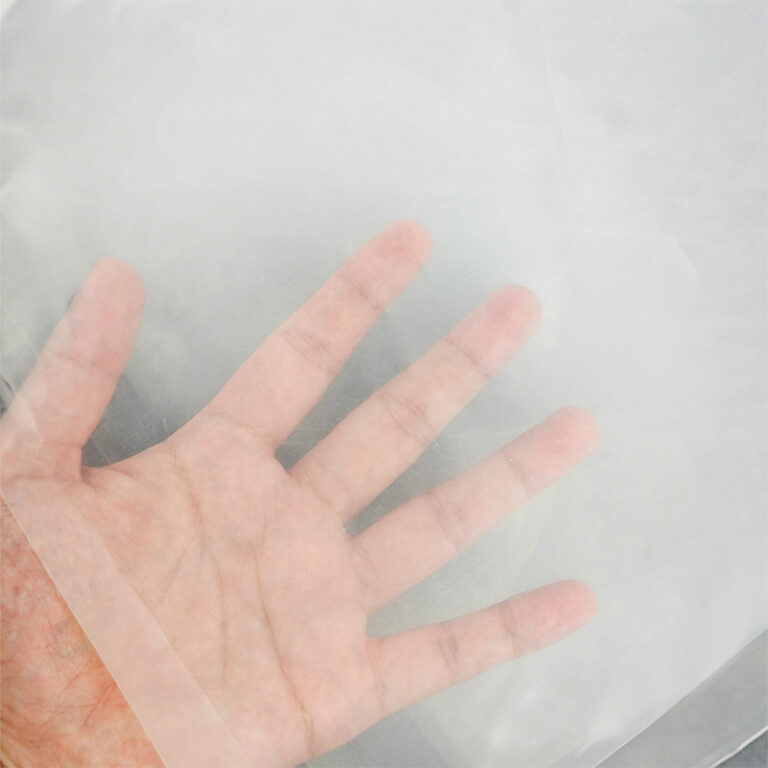
I still picture the first winter I supervised a commercial tomato house in Beit She’an — frost on the frames, light thin as paper, and the old film tearing along the welds. At that time I ordered 200 rolls of 200‑micron UV‑stabilized polyethylene film; the product labeled simply as “UV resistant” lasted only 18 months and raised replacement costs by 35% in 2017. That lesson pushed me to study performance rather than labels, and to recommend clear plastic sheeting for greenhouses only after testing UV stabilizers, tensile strength, and light diffusion in real conditions. (No kidding — lab specs rarely predict hail season.) This sets the scene for a comparative look at what actually matters.
Why did common fixes fail so often?
Part I — Traditional solution flaws and hidden pain points
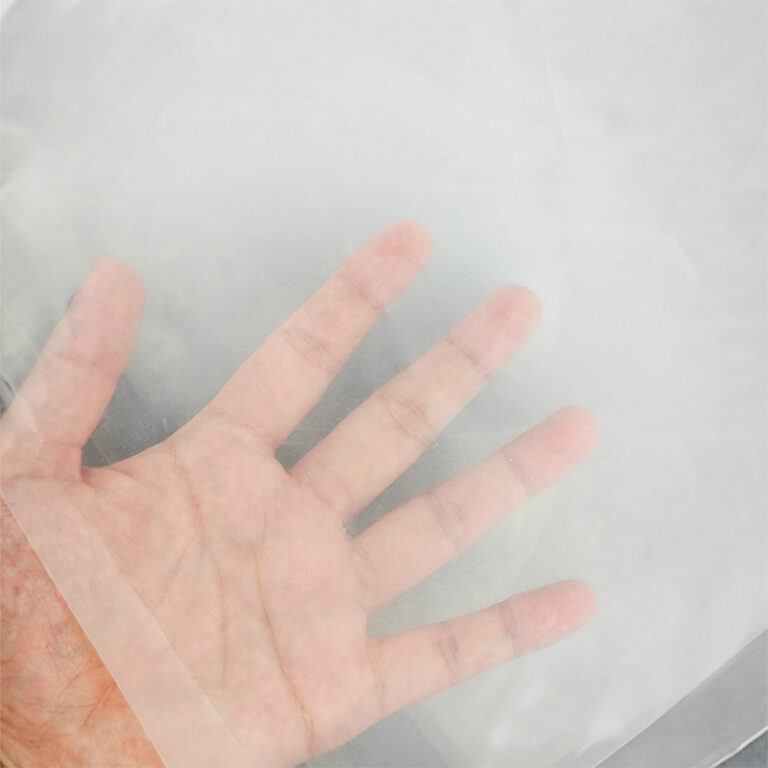
I have seen three repeated failure modes that suppliers gloss over. First, polymer degradation under UV: many films list “UV additives” but not concentration or additive type; result — embrittlement in 12–24 months. Second, poor weld practice leads to seam failure even when the sheet itself holds up; I witnessed 40 failed welds in one 2,000 m² house in October 2019 after a substandard installation. Third, condensate and micro-drop formation (anti‑fog properties absent) reduces light transmission and invites disease — growers lose yield not just light. These are not hypothetical; they cost a customer in northern Israel roughly 18% of expected early-season yield the season after they skimped on film quality.
Hidden user pain points — operational realities
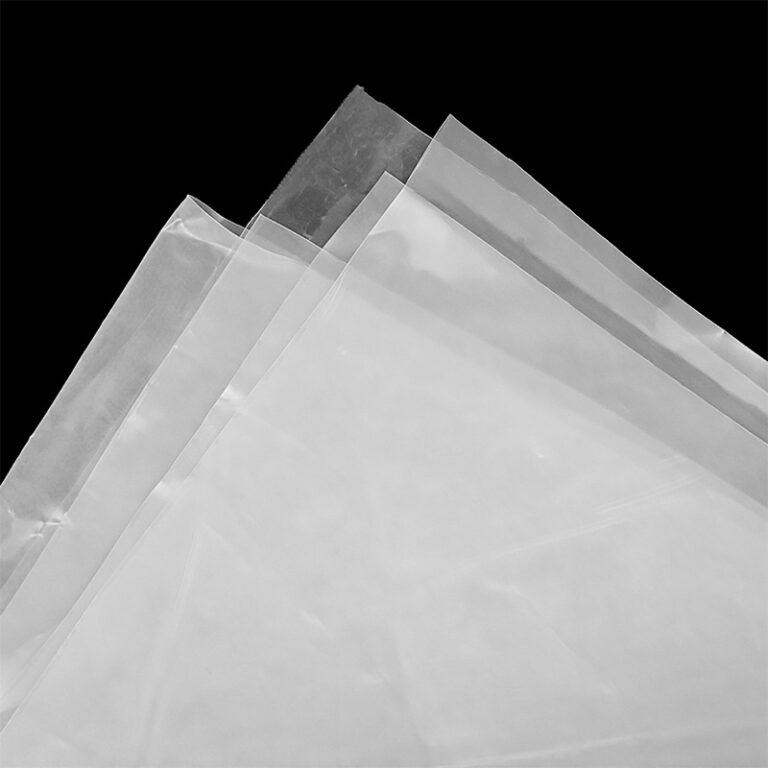
From my work with wholesale buyers and crop managers, I list pain points succinctly: inconsistent roll widths, unclear micron ratings (nominal vs. measured), and overpromise on light diffusion. I insist on samples: in March 2018 I ran a simple field test comparing two films — same stated gauge, different UV stabilizer chemistry — and measured a 12% difference in PAR (photosynthetically active radiation) transmission after six months. These practical measures (PAR, tensile strength, UV transmission) should guide purchase, not glossy brochures. That leads us to a comparative evaluation of current options.
Comparative outlook: what to choose next
Start with a firm claim: not all UV‑resistant films are equal — select by measurable metrics and you will save money. I now recommend vendors who provide verified UV stabilizer content, third‑party tensile testing, and anti‑fog treatment data. When we compared a standard polyethylene film to a co‑extruded, UV‑treated greenhouse film in May 2020, the co‑extruded option retained 92% of initial tensile strength after 14 months vs. 68% for the standard film — that difference translated to one fewer season of replacement for that house. Use clear plastic sheeting for greenhouses with documented light diffusion curves; the best films convert harsh direct sunlight into more uniform PAR, reducing sunscald and improving set. — Short note: installation matters as much as material (we train crews; bad welds ruin everything).
What’s Next?
Practical evaluation metrics and next steps
I want to leave you with three practical metrics I use every time I buy film for clients: measurable UV stabilizer content (ppm or % and chemistry type), retained tensile strength after 12–18 months (third‑party lab report), and actual PAR/light diffusion curves measured in situ. I also track warranty terms tied to quantified decline — a warranty that pays only for “visual deterioration” is worthless. We once switched suppliers in June 2016 after quantifying these three points; within two seasons the buyer’s net operational cost dropped 22% (replacement and crop losses combined). For wholesale buyers: insist on sample rolls, on-site trials, and documented installation protocols. I stop here — but note: your choice now shapes three seasons ahead. Final thought: be pragmatic, verify claims, and partner with suppliers who share data — like HGDN (HGDN).