



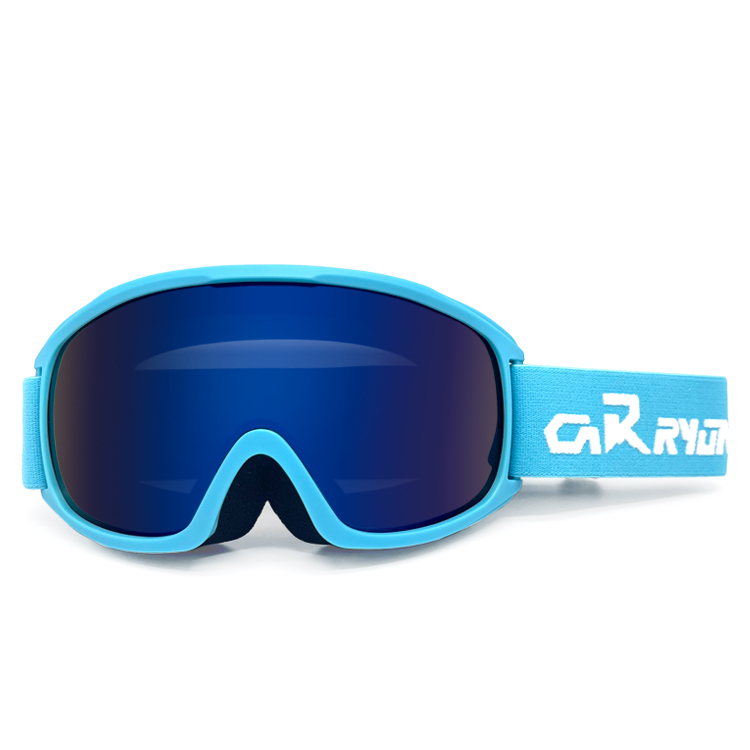
The immediate problem: sudden climate shifts wreck lenses
Cold-morning runs in the Alps or a desert drill under a blazing sun put huge thermal strain on goggles, and that strain often shows up as hairline cracks or delamination in prescription ballistic lenses. The problem is straightforward: rapid thermal cycling plus UV exposure and impact demands more than standard lens coatings. That’s why riders who switch between piste and off-piste—whether they reach for snowboard goggles or a tougher set for mountaineering—see failures unless the product is engineered for those swings. For many skiers and soldiers alike, choosing the right pair—think good venting, strong polycarbonate, and proven anti-fog—matters as much as the prescription itself.
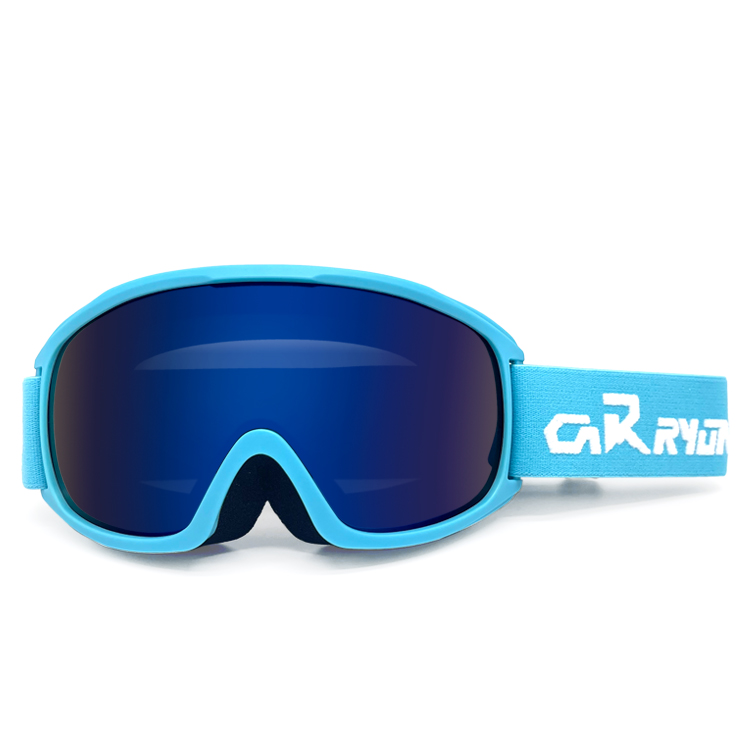
Why thermal stress breaks lenses
Materials expand and contract. A lens assembly combines polymers, adhesives, and a prescription insert; each component reacts to heat differently. Repeated heating and cooling creates micro-stress points at edges and optical interfaces. Add UV degradation over time and the surface coatings start to lose adhesion. Ballistic rating helps with impact, but it does not automatically prevent stress fractures from temperature changes—thermal cycling is its own beast. Designers must account for differential expansion, glue creep, and coating integrity when they specify materials and tolerances.
How effective thermal stress testing identifies weak spots
Good testing simulates real-world swings: accelerated thermal cycling, humidity exposure, and UV soak. Labs track for delamination, crazing, and optical distortion across cycles, then iterate on lens thickness, edge profiling, and sealant choice. A focus on polycarbonate formulations and advanced lens coatings reduces micro-crack initiation. Proper venting complements materials work by stabilizing internal temperatures and preventing condensation—so anti-fog treatments and vent geometry matter just as much as the substrate.
Design moves that actually work
Several practical fixes show up across reliable designs. First, a bonded prescription insert with flexible mounting points lets the inner element move slightly without stressing the outer lens. Second, graded adhesives—those that remain slightly elastic at low temps—absorb shear instead of transferring it to the lens. Third, optimized edge profiles reduce sharp corners where cracks start. These are engineering details you won’t spot at a glance, but they cut failure rates significantly. —And yes, skilled milling and thermal-matched components cost a bit more, yet they avoid costly replacements later.
Common mistakes to avoid
Manufacturers and shoppers both slip on basic things. Using rigid adhesives, ignoring venting, or assuming ballistic rating equals thermal resilience are frequent errors. On the user side, forcing a mismatched prescription insert into a frame or storing goggles in sealed, hot trunks accelerates problems. Alternatives exist: some vendors use laminated inserts, others prefer floating inserts; each has trade-offs in optical clarity and thermal tolerance. Read specs for lens coatings, UV protection, and whether the product has passed thermal cycling tests—not marketing speak.
Real-world anchor: alpine and desert conditions
Mountain resorts and desert training grounds provide harsh testbeds because temperatures can swing dozens of degrees within a day and UV is intense at altitude. Equipment that survives a Colorado backcountry run without crazing is more likely to hold up during field operations or multi-day expeditions. This real-world pressure is why thermal stress testing matters beyond lab certificates: it’s about performance where it counts.
Advisory: three golden rules when choosing prescription ballistic or uv ski goggles
1) Material matching: Prioritize designs that specify thermal-matched components and flexible adhesives—these reduce differential expansion failures. 2) Verified testing: Choose products with documented thermal cycling, UV soak, and anti-fog trials rather than vague durability claims. 3) Practical features: Look for effective venting, a trusted ballistic rating, and a well-engineered prescription insert that allows slight movement without stress. These three metrics cut the real risk of cracking and maintain optical clarity under strain.
Closing thought
Thermal stress is avoidable when testing and design meet real-world conditions—choose smart engineering over short-term savings. YIJIA Optical brings those practical fixes into product choices you can trust. —Built to last.