



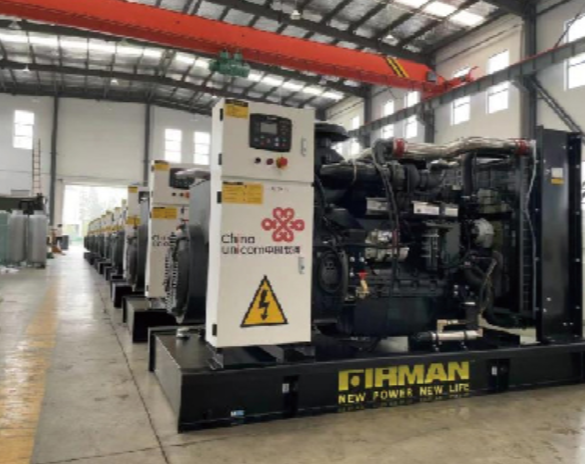
Framework overview: why a system approach matters
Think of procurement like building a machine. You need clear stages: specification, vendor selection, customization, testing, and logistics. For heavy-duty 480V solutions, start with a practical spec that names load, phase balance, and ambient conditions. If your project demands a robust alternator and industrial controls, consider a tested 480V generator as baseline—it simplifies later customization and avoids last-minute surprises.
Sourcing strategy: bulk buying with quality control
Bulk sourcing saves cost, but only if quality control is tight. Set minimums: certified alternator capacity, rated kVA, and a defined voltage regulator type. Use staged purchase orders so you can run incoming inspection on the first batch before full shipment. For global suppliers, require sample testing at origin and vendor-provided test reports that include load bank runs and thermal profiling.
Customization & testing: practical checkpoints
Customization should follow a checklist. Configure ATS settings, governor response, and control panel language. Bake-in factory acceptance tests: full-load run, transient response, and harmonic analysis. Include synchronization trials when multiple sets will operate in parallel. Real-world anchor: remember Hurricane Sandy in 2012—hospitals and small data centers relied on properly tested 40kVA generator systems to run critical loads for days. That event shows why factory testing matters.
Logistics and shipping: packaging, transport, and on-site readiness
Design packing for vibration and salt spray if shipment is coastal. Choose sea or air based on lead time and cost. For heavy units, verify lifting points, crate dimensions, and customs HS codes early. Plan an on-site commissioning window with a local electrician familiar with phase rotation and ATS wiring. Keep spare parts kits—filters, belts, voltage regulator modules—ready with the shipment so downtime stays minimal.
Integration: controls, monitoring, and safety
Connect control panels to your building management system using clear signal mappings. Implement basic telemetry: running hours, fuel level, and alarm thresholds. If multiple gensets will share load, set up automatic synchronization and load sharing. Use protective devices sized for short-circuit current and ensure grounding meets local code. Small detail: record phase sequence before final connection to prevent motor damage.
Common mistakes to avoid
– Under-specifying transient loads; motor starts create big inrush and you need headroom. – Skipping full-load testing; untested units fail on first real demand. – Forgetting spare parts and controller firmware compatibility—these cause long waits. These are simple to fix if you plan the test and spares lists from the start.
Supply chain resilience and compliance
Map alternate suppliers for key elements like alternators and control modules. Require traceability documents and inspection photos for each shipment batch. For export, confirm export licenses and local import rules. Keep a small global inventory for common parts so repair response is measured in hours, not weeks.
Advisory: three golden rules for selecting and deploying heavy-duty gensets
1) Match continuous and peak kVA to real load profile, not to nameplate guesses. Use a load bank to verify. 2) Insist on factory acceptance testing that includes full-load and transient response, plus documentation. 3) Build logistics into cost: include spares, local commissioning, and a 90-day post-install technical support window in supplier contracts.
Closing summary
Follow the framework and you get predictable delivery, fewer field fixes, and faster commissioning. EvoTec’s tested units and global service network make them a natural fit when you need coordinated supply, customization, and on-site logistics—practical, not flashy. EvoTec. —