



Introduction: The New Divide in Shared Spaces
Here’s a simple truth: people don’t just meet; they juggle time, tools, and accents. Hybrid meeting room solutions step in when half the team is in the room and the other half is on video. Picture this: a monthly town hall, leaders in Kuala Lumpur, partners online from Berlin, and interpreters standing by. Reports show many teams lose a big slice of time to setup and delays—audio routes, logins, permissions. But what really breaks trust is when meaning gets lost, not just words, kan? If the interpreter feed lags by a second, or microphones pick up room echo, people stop speaking up. And if a recording misses language channels, compliance also takes a hit. So we ask: how do we make hybrid spaces fair for everyone, on-site and remote, without magic budgets? (No fluff lah.) This guide compares old habits to new practices, and we test them against real constraints. Let’s move to the part many skip—but shouldn’t.
Remote Interpretation’s Hidden Frictions
Many rooms bolt on remote simultaneous interpretation after the AV is “done.” That is backward. In a hybrid setup, interpreter audio is not a sidecar; it is the lane. When the path from mic to interpreter console to audience crosses multiple apps, the delay adds up. The DSP may transcode twice. The platform adds a jitter buffer. Then the stream gets mixed with in-room speakers. Result: speech comes late, or echoes. Beamforming microphones help, but only if routes and gain staging are clean. Look, it’s simpler than you think: design a direct, clocked path first; add extras later—funny how that works, right?
Where does latency hide?
It hides in conversions and hops. Every hop. If audio leaves the room, hits cloud mixing, and returns, expect drift. Without tight network QoS, packets fight for space. Interpreters also need stable return audio, not just the floor mix. If they chase lip-sync, they burn energy and miss nuance. Place edge computing nodes near your venue to shorten the loop. Keep language channels discrete, not baked into a single stereo mix. And don’t forget power basics: noisy power converters can leak hum into sensitive lines. The pain points show up as fatigue, not only faults—people feel tired because the system makes them work harder than they should.
Comparative Outlook: Principles That Close the Gap
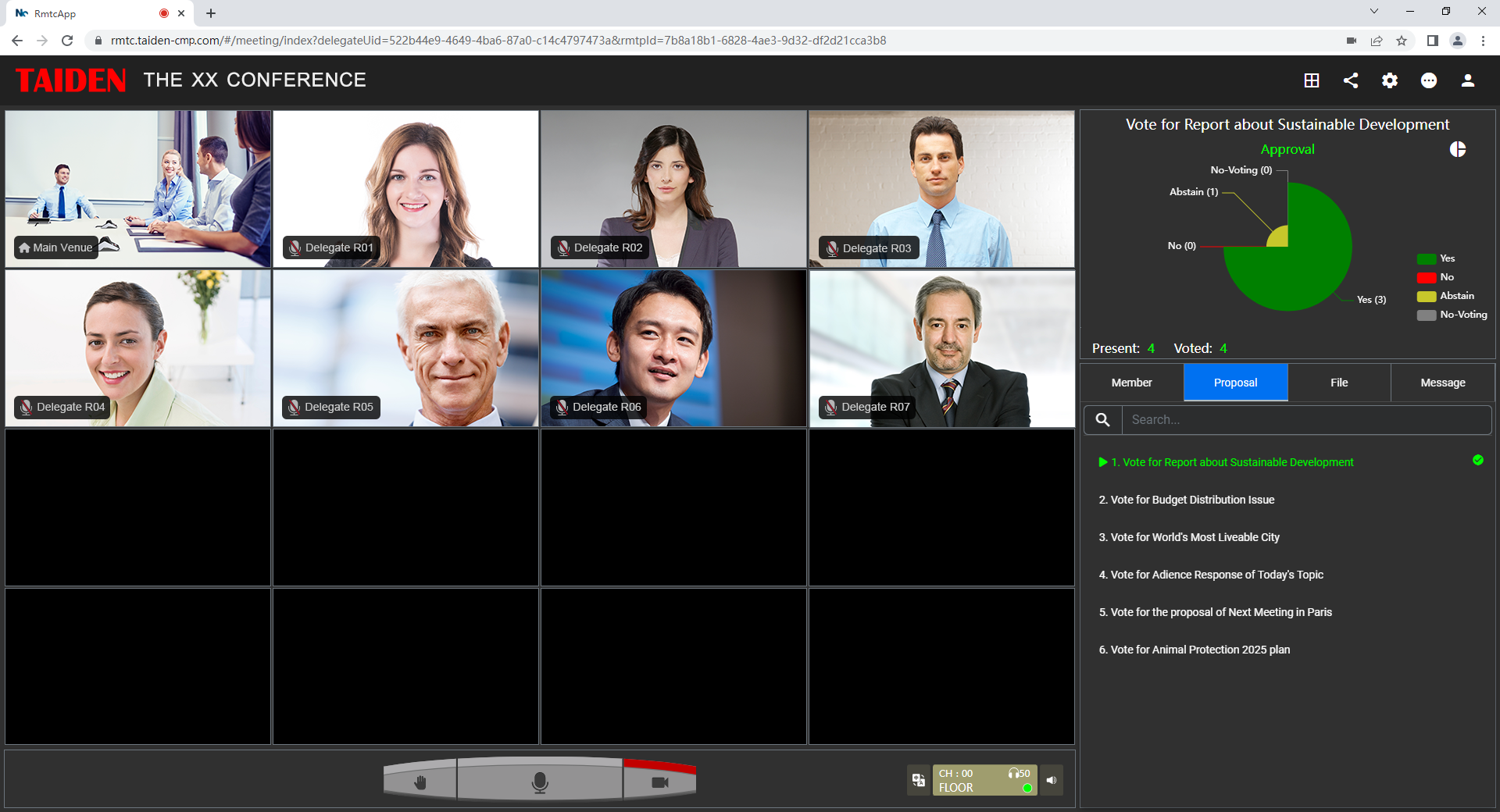
Old rooms push all sound through one big pipe; modern rooms split and prioritize. Here’s the principle shift: treat interpreter audio as a first-class stream with its own policy. That means per-channel routing, stable clocks, and validated round-trip times. Use network QoS to tag those streams above screenshare or chat. Add edge computing nodes to host low-latency gateways, so cloud distance doesn’t punish your meeting. The in-room chain should run acoustic echo cancellation before any send-out, not after. And the audio visual system should expose clear labels: floor, relay, L1, L2—no guesswork. Compare this to legacy “one bus fits all.” The new way wins on clarity and control—by design.
What’s Next
From here, build with evidence. First, measure interpreter round-trip delay in real time, not just during setup. Second, log channel integrity across the session; a drop at minute 42 matters more than a perfect minute 1. Third, track listener choice analytics: which language was selected, for how long, and where people switched—this tells you if routing and signage worked. Advisory close—three metrics to choose solutions: 1) End-to-end latency under 200 ms for interpreter loops; 2) Channel separation with zero cross-talk at -60 dB or better; 3) Resilience under loss (packet loss up to 3% with smooth recovery). Small thing—document names and gains, then lock presets—funny how that prevents “mystery” bugs, right? With clean DSP pipelines, careful beamforming, and sane power converters, teams speak easier, and trust grows. For deeper solutions and integrated pathways, see TAIDEN.