



Why this matters — common problems you’ll face
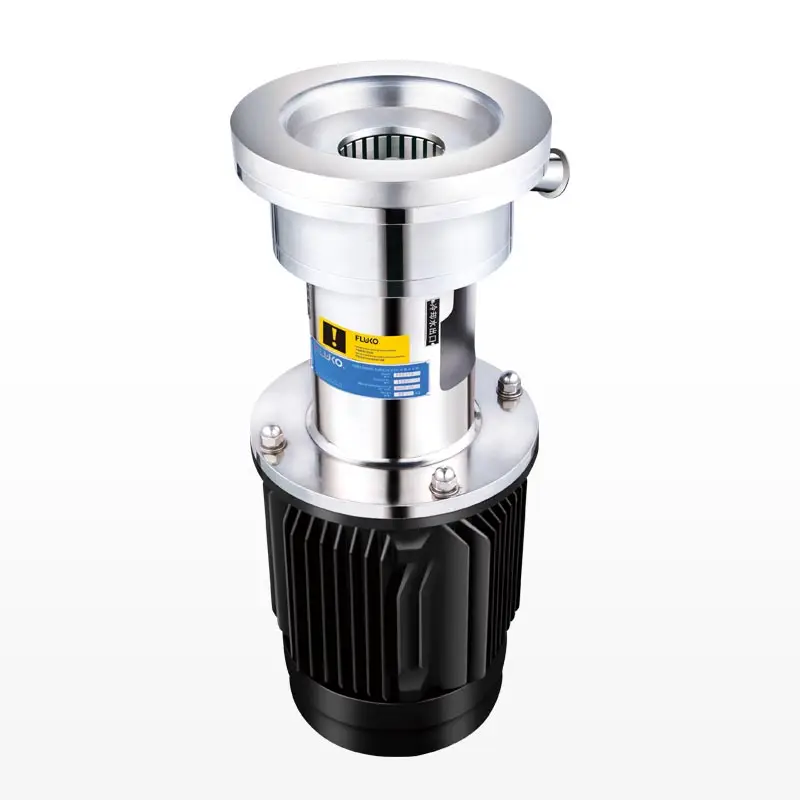
You’re trying to get a consistent dispersion or a stable emulsion and the results keep changing. You see large droplets, long processing times, occasional blockages and uneven texture. Start by treating the issue as a set of solvable problems rather than a black box. If you’re starting with an inline high shear mixer, focus first on feed consistency, rotor-stator clearance and how the machine integrates with upstream dosing — those three variables explain most early failures.
Diagnose quickly: the right questions to ask
Ask targeted questions and you’ll find the root cause faster. What is your continuous throughput (L/min)? What is finished-phase viscosity at process temperature? Are solids pre-wetted or dry-added? Is your target mean droplet size millimeters, microns, or sub-micron? Does the product foam or shear-thin? Measure, don’t guess. Record one variable change at a time so you learn cause and effect.
Practical fixes and settings to try
Change one thing and observe. Reduce rotor-stator clearance to increase shear; raise feed rate slowly to avoid starving the rotor; increase temperature if viscosity is blocking dispersion; pre-wet powders to stop lumps. If droplet size is too large, try higher tip speed or multiple passes. If you get overheating, lower speed and use external cooling. If product clogs the stator, fit a coarser stator for solids or stage the dispersion with a coarse-first, fine-second pass.
Design choices that solve recurring problems
Prefer a rotor-stator with modular stator rings for easy tuning. Choose materials that resist abrasion and corrosion for long life. Inline units win for repeatability and footprint; batch high-shear mixers give flexible charge volumes but can hide scale-up effects. Ultrasonic and static mixers are alternatives: ultrasonic helps submicron tasks, static mixers work for low-viscosity, continuous blends. Match the machine to flow, not the other way around.
Maintenance, monitoring, and common mistakes
Don’t skip routine inspection. Check rotor runout, seals and bearing temperatures weekly at start-up. Replace stators before performance drops—waiting for visible wear increases product variability. Avoid these mistakes: changing two settings at once, skipping process records, and assuming lab settings scale linearly. Add simple monitoring: torque, inlet pressure and product temperature tell you more than visual checks alone.
Real-world context that changes choices
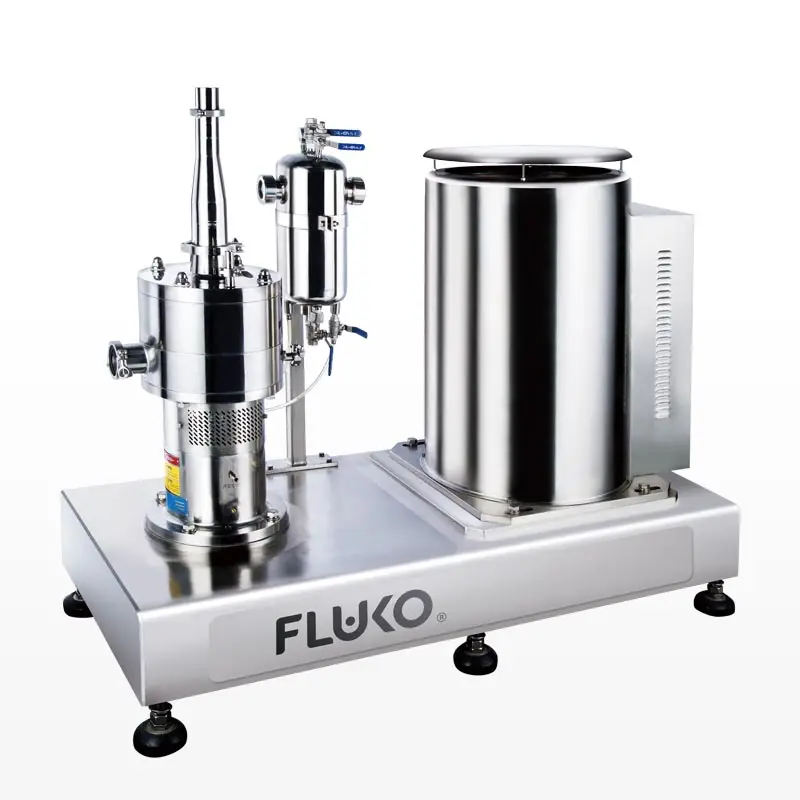
Trade shows and technical sessions sharpen practical decisions—engineers at ACHEMA in Frankfurt repeatedly highlight how throughput targets and cleaning regimes determine whether a system should be inline or batch. I’ve advised production teams for over a decade and seen that labs rarely capture shear history; field runs do. For example, when a team converted a lab recipe to an industrial line they picked a high shear inline mixer because the inline geometry preserved shear history and reduced rework on the first production day.
Quick checklist before you buy or scale up
Confirm target particle size and throughput; verify viscosity at process T; check cleaning and maintenance access; test with your actual powder and oil at pilot flow; insist on torque and temperature monitoring; plan spare rotors and stators. Budget for a short on-site commissioning window to tune feed rate and stator selection. These simple steps stop most surprises.
Conclusion: small steps that reduce failure
Start with clear measurements, change one variable at a time, and choose modular hardware you can tune. Practical, incremental adjustments cut variability quickly. When teams need tested designs and reliable technical support, options from FLUKO often reflect the engineering choices that prevent common scale-up mistakes and keep production steady.