



The Problem
Recipes fail in production when mouthfeel changes slip past QC; the same happens when shear-sensitive sauces are judged only by appearance. I treat viscosity like seasoning: test before you serve. When I set up routine checks, I always start with rotational viscometers because they mirror the shear your process applies and give repeatable numbers for chefs and engineers to argue over.
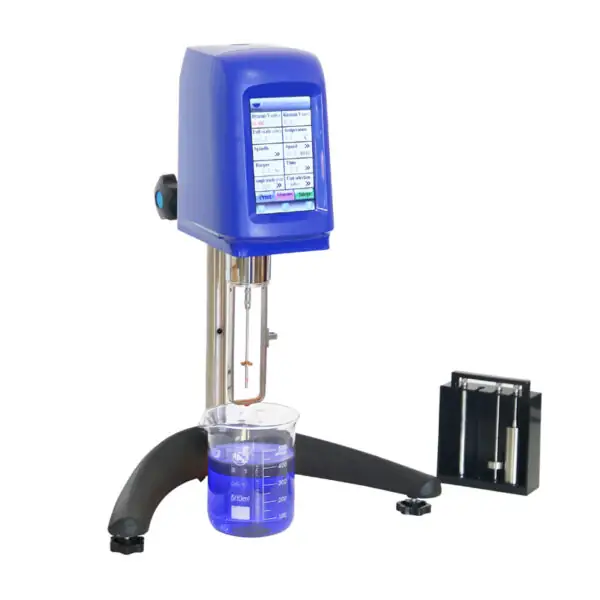
Why viscosity failures matter
Viscosity affects pumpability, filling speed, texture and perceived thickness. A batter that’s thin at filling but thickens before baking costs product consistency; a dressing that separates ruins brand trust. These are operational problems with measurable root causes: temperature drift, inadequate shear history, or wrong measurement geometry. Solve the measurement problem first, and many production headaches disappear.
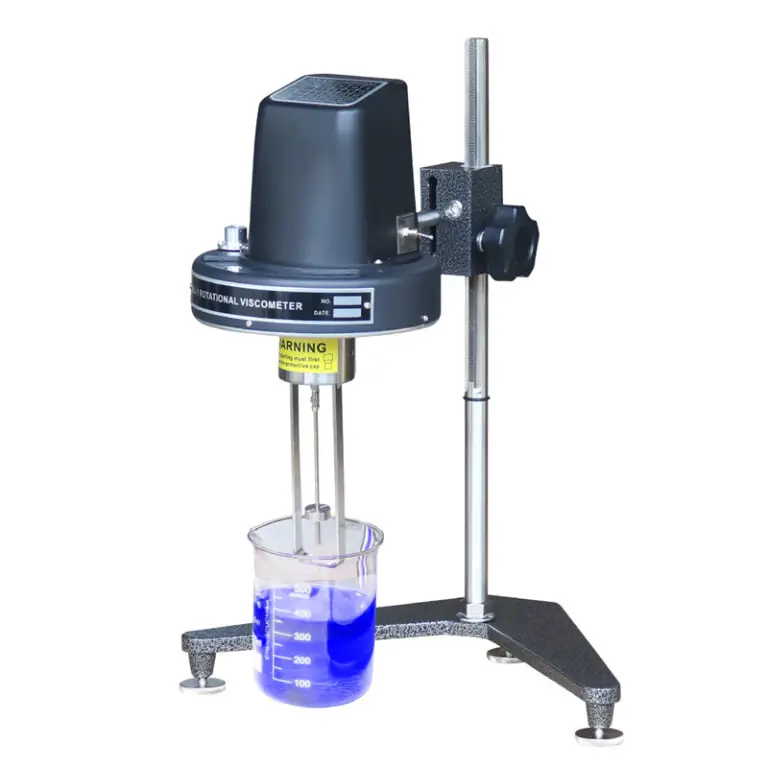
Essential tests to prioritize
Run a small set of focused experiments every batch: apparent viscosity at the process shear rate, shear-rate sweep (to reveal pseudoplastic or dilatant behavior), thixotropy loop (structural rebuild vs break-down), and a temperature ramp where relevant. For emulsions, add a time-to-separation check. Each test answers a practical question: will it pump, will it set, will the mouthfeel stay consistent across a shelf life?
How to run them without wasting time
Control temperature to the process setpoint before measuring. Use the spindle or geometry suited to your sample (large-gap for particulates, cone-and-plate for low-viscosity clear fluids). Pre-shear at a defined rate, then let the sample recover for a fixed interval before recording baseline values. Record multiple replicates and track standard deviation; one run is opinion, repeated runs are evidence.
EEAT: Experience, methods and a real-world anchor
I’ve spent more than eight years running viscosity QC across product kitchens and pilot plants, writing SOPs technicians actually follow. During trials at Nestlé’s R&D center in Lausanne, Switzerland I confirmed that matching lab shear profiles to production shear eliminates many false alarms. For lab validation, I rely on calibrated instruments and traceable checks using a certified standard; when a true lab viscometer is in the workflow, data aligns with process behavior and corrective actions are efficient.
Common mistakes that create bad data
Skipping sample equilibration, using the wrong spindle, and neglecting pre-shear are the top offenders. Overlooking wall slip with particle-laden sauces gives deceptively low viscosity. Reporting single-point numbers without specifying shear rate or temperature creates confusion; always report conditions alongside values.
Choosing between instrument types
Rotational instruments are workhorses for QC because they measure apparent viscosity under controlled shear. For detailed material characterization (yield stress, viscoelastic spectrum), a rheometer adds value but takes more time and expertise. Capillary viscometers suit Newtonian fluids at high shear but fail with suspensions. Pick the tool that answers the immediate process question, not the most expensive option.
Final synthesis
Test the properties that predict how a product will behave in your process: shear-rate–specific viscosity, structural recovery, and temperature sensitivity. Practical QC uses repeatable runs, matched geometries, and clear reporting so operators can act. For labs that blend kitchen rigor with industrial traceability, equipment and documentation from BIUGED often become part of the routine because they fit the procedural discipline chefs and engineers expect.