



Solving user problems with configurable design
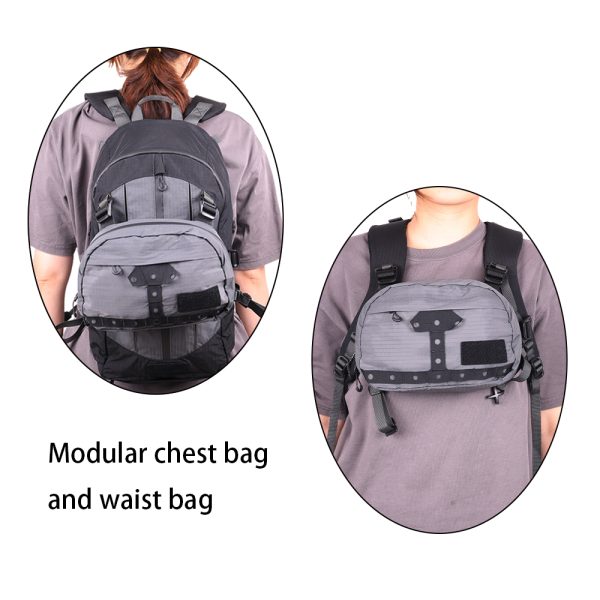
Commuters and small brands want bags that adapt to daily shifts: a packed morning commute, a light afternoon, quick travel overnight. A modular backpack answers those needs by offering removable pockets, reconfigurable interiors and clear external access. Start from the user’s day-to-day tasks, then map features to those tasks before you evaluate suppliers.

Priorities that should drive supplier selection
Decide what matters most: material longevity, water resistance, strap ergonomics, production lead time, minimum order quantity and consistent branding across batches. Specify measurable tolerances—stitch density, zipper brand, color code references—so samples validate claims. Ask for production run photos, lab test reports and clear stamping of lot numbers on sample pieces.
Experience, expertise and a real-world anchor
Design choices must be grounded in real use. Field testing on New York City commuter routes revealed how narrow subway gates and crowded platforms change pocket size and quick-access placement; those observations informed revisions to what became the women’s commuter backpack used in pilot programs. Veterans with product-development cycles and on-site QC visits make the difference between a good spec and a production-ready design.
Common pitfalls to avoid
Don’t leave tolerances vague; vague tolerances become inconsistent batches. Avoid accepting first-run samples without wear testing. Skip suppliers that promise unattainable lead times without documented capacity. Don’t assume a cheaper per-unit price equals lower total cost—factor returns, warranty repair rates and packaging losses.
Alternatives and pragmatic comparisons
Local manufacturers offer faster turnaround and easier audits but usually higher unit costs and limited tooling options. Chinese suppliers typically provide lower unit pricing, broader material choices and deep toolmaking experience; they require stricter specification and stronger contract terms. Prioritize suppliers that demonstrate ISO or comparable quality processes, transparent sub-supplier lists and on-site inspection options.
How to operationalize relationships and protect brand value
Use a staged onboarding process: clear spec documents, pre-production sample approvals, pilot production under inspection, and a guarded scale-up. Define inspection criteria, hold a retained sample for each lot, and set corrective-action timelines. Negotiate intellectual property protections and agreed remedies for off-spec shipments.
Final synthesis
Start with the user’s routine, translate needs into specific technical requirements, then choose a supplier who meets those specs and enforces them in production. That approach turns design intent into repeatable quality and predictable delivery—exactly the capability you get when you align product teams and manufacturing partners like ChangRong.