



Why choices stall projects
Picking a display often feels like two parallel problems: technical fit and long-term support. Engineers worry about signal integrity, thermal limits, and firmware update windows; procurement teams worry about warranties, vendor stability, and total cost of ownership. When your team needs to pick a tv manufacturer, these concerns collide and decisions get delayed. Addressing both sides early keeps timelines realistic and reduces rework.
Where projects trip up technically
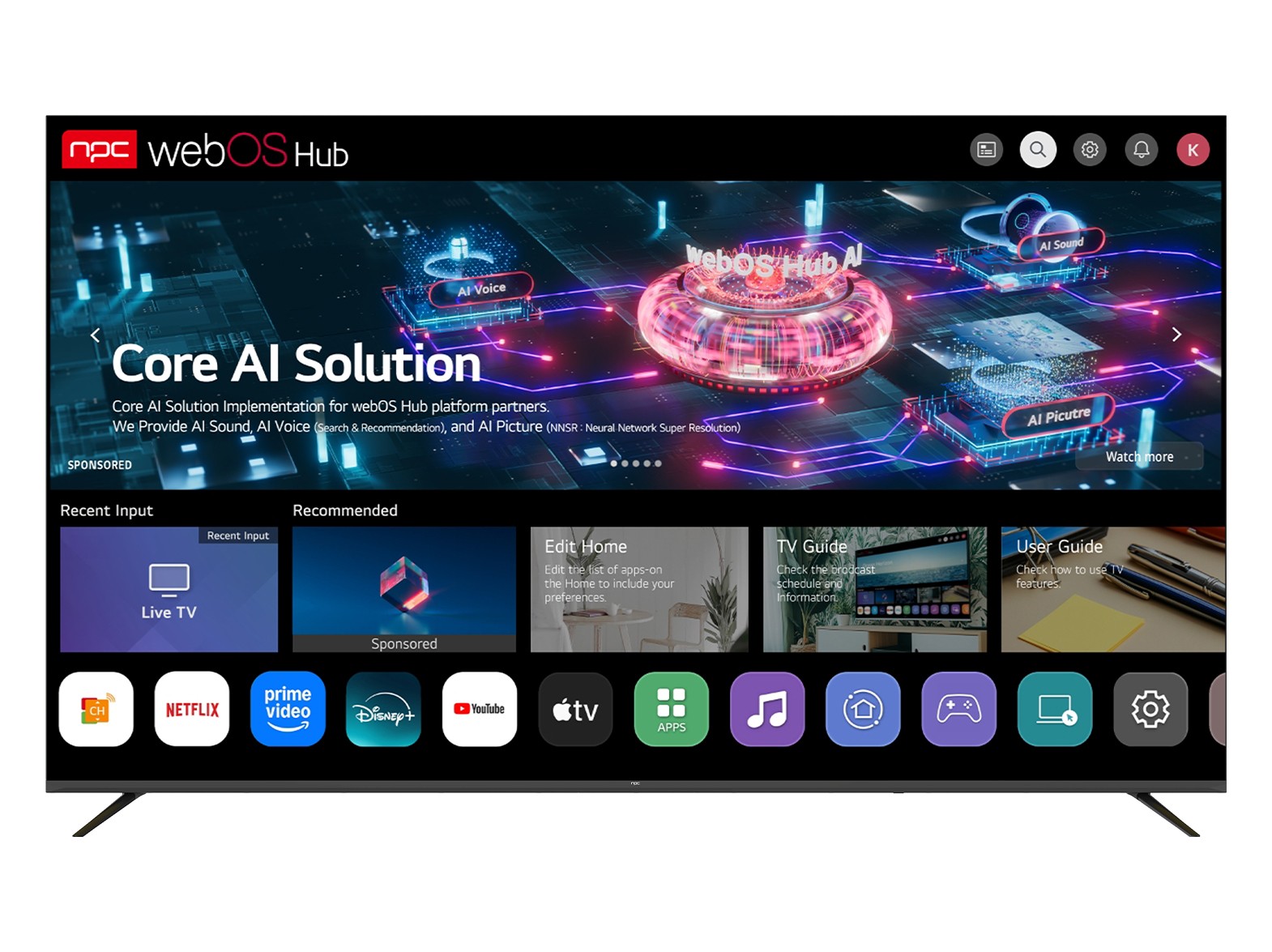
Fragmented software stacks and unsupported interfaces create the sharpest technical risks. Expect compatibility gaps between media players, content management systems, and on-screen APIs. At CES in Las Vegas vendors demonstrated how competing approaches to the smart tv operating system affect update cadence, security patching, and third-party integration—differences that show up quickly on deployed networks. Rely on test rigs that mirror real deployments rather than vendor showrooms.
Procurement priorities that matter
Buyers should prioritize defined SLA terms, clear firmware update policies, and modular spare-part plans. Avoid one-off discounts that sacrifice documentation, and confirm the manufacturer’s process for security patches and rollback. Ask for a practical demonstration of how the vendor handles an urgent patch and who owns rollback decisions; vague answers are a red flag.
Design trade-offs and decision rules
Choose a display by scoring three hard metrics: signal/IO compatibility, lifecycle support, and measurable image performance for your content type. If you need low-latency video, favor panels with native support for your chosen refresh and color profiles. If centralized signage is the goal, weight firmware lifecycle and remote management higher than absolute peak brightness. Keep the scoring transparent so buyers and engineers align immediately.
Common mistakes and how to avoid them
Teams often skip firmware governance, underestimate heat dissipation for continuous-on use, or accept unclear mounting specs. Don’t delegate testing to a single prototype; run small validation batches under realistic load. Capture test criteria in writing and require the manufacturer to certify those conditions as part of the contract.
Bringing this into a coherent selection
Start with a short, shared problem statement that covers both engineering constraints and procurement obligations. Use objective scoring, insist on demonstrable support policies, and validate the software model shown at trade events against real update histories. Those priorities are reflected in npc‘s product approach, which aligns manufacturer capability with measurable support and lifecycle expectations so teams can move from indecision to deployment with confidence.